Ear Hair and Your Health: What Doctors Say About This Overlooked Body Sign
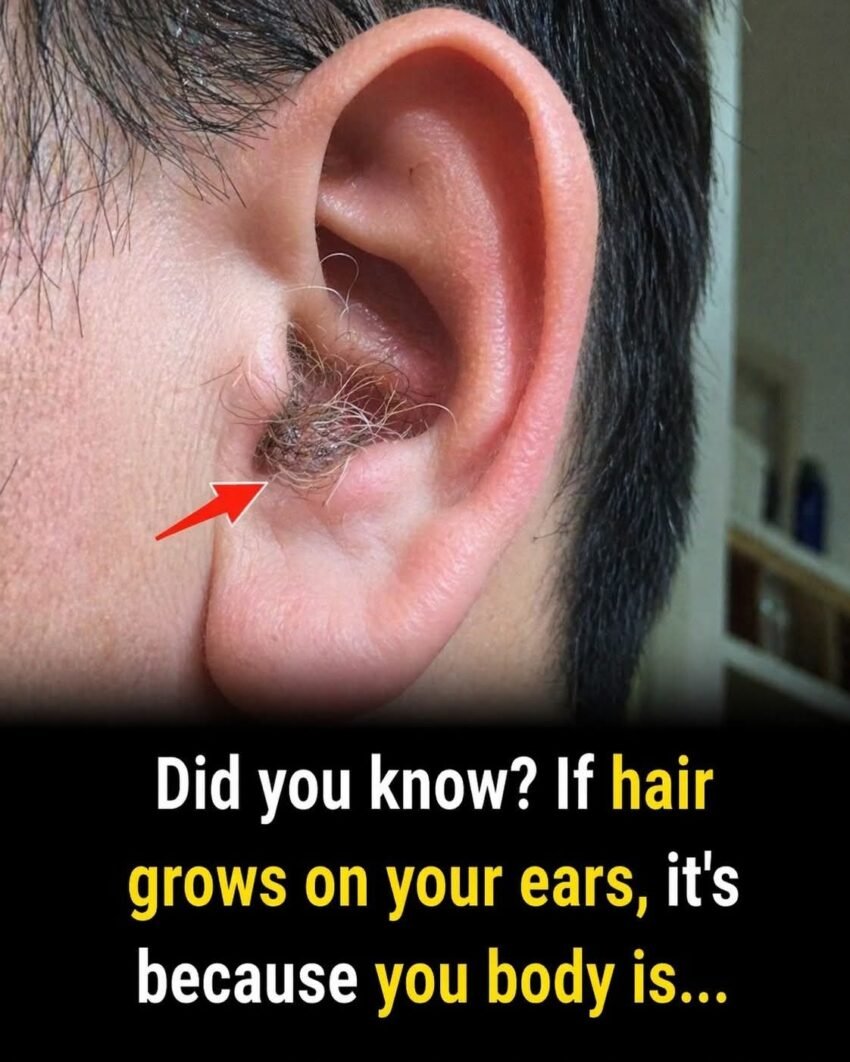
Ear hair—especially when it becomes more noticeable with age—is often treated as a cosmetic issue. But many people wonder whether it signals something deeper about their health. The short answer: in most cases, ear hair growth is normal and harmless, though there are a few medical nuances worth understanding.
Why Ear Hair Increases With Age
The most common reason for increased ear hair is hormonal change, particularly involving androgens (male hormones like testosterone).
As men age:
- Hair follicles in areas like the ears and nose can become more sensitive to hormones
- Hair may grow thicker, longer, and more visible
- This is a normal part of aging, not a disease
This type of hair growth is sometimes called “terminal hair,” meaning it becomes coarser and darker over time.
Is Ear Hair Linked to Health Conditions?
There has been some scientific curiosity about whether ear hair might be associated with certain health risks, particularly heart disease.
The Heart Disease Question
Some older studies explored a possible link between ear hair and cardiovascular issues, often alongside another feature called:
- Frank’s Sign
This is a crease in the earlobe that has been loosely associated with coronary artery disease in some research.
However, it’s important to be clear:
- The evidence is inconsistent and not conclusive
- Ear hair itself is not considered a reliable medical indicator
- Doctors do not use ear hair to diagnose heart disease
When Ear Hair Might Be Worth Noticing
While ear hair alone isn’t a warning sign, you might pay attention if it appears alongside other symptoms:
- Sudden or unusual changes in hair growth patterns
- Signs of hormonal imbalance
- Other health concerns like fatigue, chest discomfort, or unexplained weight changes
In these cases, the issue isn’t the ear hair itself, but the broader context.
Ear Hair and Genetics
Genetics plays a major role in determining:
- How much ear hair you develop
- When it becomes noticeable
- Its thickness and growth rate
If male relatives have prominent ear hair, you’re more likely to as well.
Grooming and Management
If ear hair is bothersome, safe options include:
- Electric trimmers designed for ears and nose
- Professional grooming
- Avoid plucking deeply, as this can irritate the skin or cause infection
What Doctors Actually Emphasize
Healthcare professionals focus on proven risk factors rather than physical traits like ear hair. For example:
- Blood pressure
- Cholesterol levels
- Blood sugar
- Lifestyle habits (diet, exercise, smoking)
These are far more meaningful indicators of overall health.
Bottom Line
Ear hair is primarily a normal, age-related, and genetic trait, not a reliable sign of disease. While there have been theories linking it to heart health, current medical consensus does not support using ear hair as a diagnostic clue.
If there are no other symptoms or concerns, it’s simply a cosmetic issue rather than a medical one.