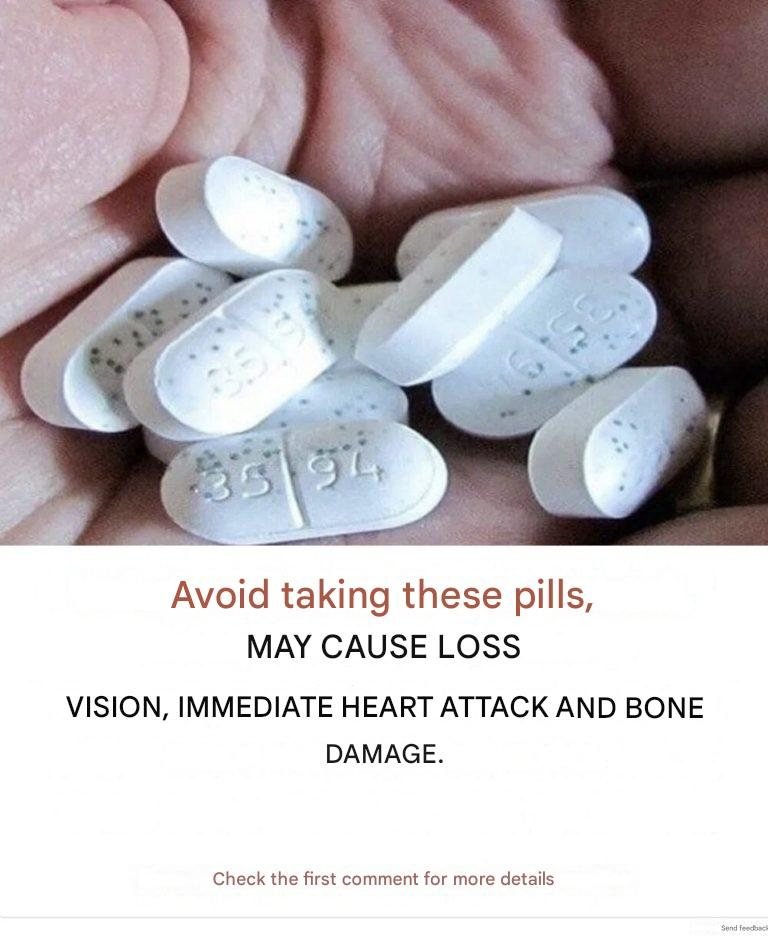
Warning About Tablets and Blood Clots: What’s Actually True
Headlines like this are designed to alarm, but they often lack context. Some medications can increase the risk of blood clots or heart problems, but this depends on the drug, the dose, and the individual’s health—not all “tablets” are dangerous.
Here’s a clear, medically grounded explanation.
Medications Known to Increase Clot or Heart Risk
1. Hormonal Contraceptives
Birth control pills containing estrogen are one of the most well-known examples.
Why they matter:
- Estrogen can increase clotting factors in the blood
- Slightly raises risk of deep vein thrombosis (DVT) and pulmonary embolism
Risk is higher if:
- You smoke
- You are over 35
- You have a history of clotting disorders
2. Hormone Replacement Therapy (HRT)
Used during menopause, HRT may also raise clot risk in some individuals.
Key point:
The risk varies depending on the type (oral vs. patch) and personal health history.
3. Certain Pain Relievers (NSAIDs)
Drugs like:
- Ibuprofen
- Diclofenac
Possible risks:
- Increased chance of heart attack or stroke (especially with long-term or high-dose use)
- Not typically causing clots directly, but affecting cardiovascular risk
4. Some Cancer Treatments
Certain chemotherapy drugs and targeted therapies can increase clotting risk due to how they affect blood and vessels.
5. Erythropoiesis-Stimulating Agents
Medications used to treat anemia can raise red blood cell levels, which may increase clot risk in some cases.
Important Clarification
- These risks are real but generally small for most people
- Doctors weigh benefits vs. risks before prescribing
- Many people take these medications safely for years
Symptoms of a Possible Blood Clot
Seek urgent medical help if you notice:
- Swelling, pain, or warmth in one leg
- Sudden shortness of breath
- Chest pain (especially sharp or with breathing)
- Rapid heartbeat
These could indicate conditions like:
- Deep Vein Thrombosis
- Pulmonary Embolism
Who Should Be More Careful?
Higher risk groups include people who:
- Smoke
- Are overweight
- Sit for long periods (e.g., long flights, immobility)
- Have a personal or family history of clots
- Have conditions like high blood pressure or diabetes
What You Should Do
- Do not stop medication suddenly without medical advice
- Read medication leaflets for side effects
- Talk to your doctor if you’re concerned about clot risk
- Ask about safer alternatives if you have risk factors
Bottom Line
Some tablets can increase the risk of blood clots or heart problems—but the danger is often overstated in viral warnings. The real risk depends on the specific medication and your personal health profile.
If you’re worried about a particular drug, tell me its name—I can explain the actual risk in plain terms.