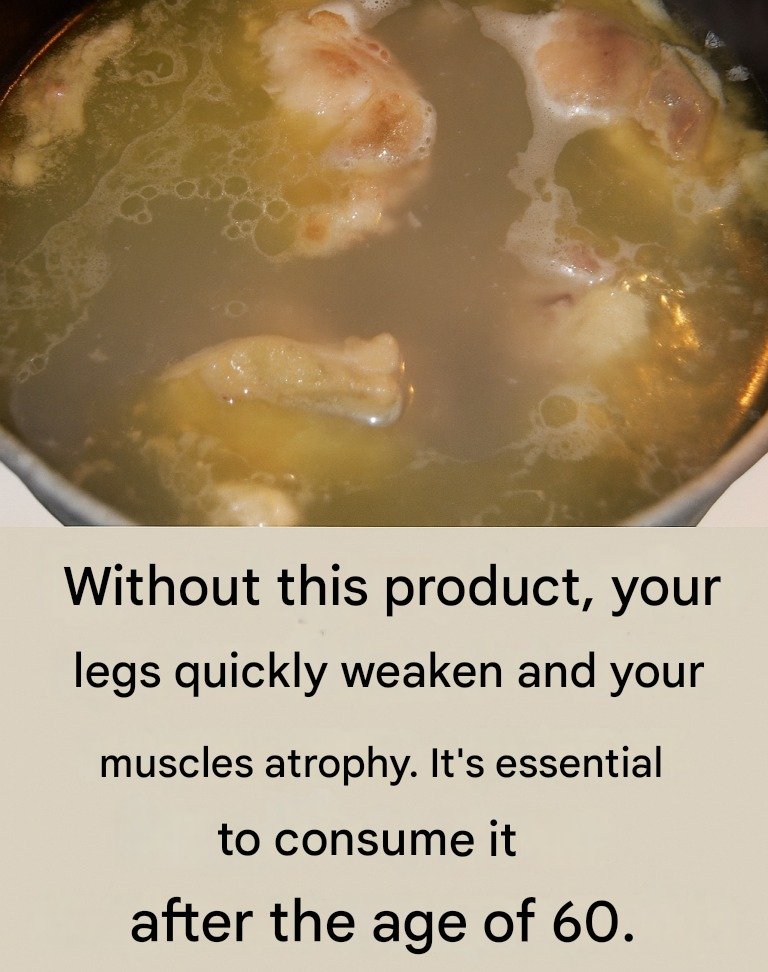
What actually happens after age 60
Age-related muscle loss is called sarcopenia. It happens gradually due to:
- Reduced physical activity
- Lower protein synthesis efficiency
- Hormonal changes
- Chronic illness or inflammation
This is a natural process, not something caused by missing one food.
What truly prevents muscle loss
The most important factors are:
1. Adequate protein intake
Older adults need more high-quality protein, not a single “must-have” food. Sources include:
- Eggs
- Fish
- Dairy
- Beans and lentils
- Lean meats
Protein helps maintain muscle repair and strength.
2. Regular strength activity
Muscle loss is strongly prevented by movement:
- Walking
- Light resistance exercises
- Chair squats or resistance bands
Without activity, even good nutrition is not enough.
3. Vitamin D and calcium
These support bone and muscle function. Deficiency can worsen weakness, but supplementation is only needed if levels are low.
4. Overall calorie intake
Undereating is a common cause of muscle loss in seniors.
What is exaggerated in viral claims
Statements like:
- “Without this food your legs will quickly lose weight”
- “After 60 you must eat this daily or muscles will disappear”
…are not supported by medical evidence. Muscle atrophy does not happen suddenly from missing a specific ingredient.
When muscle loss is a concern
You should pay attention if there is:
- Rapid, unexplained weakness
- Difficulty standing or climbing stairs
- Noticeable loss of muscle mass
This may need evaluation for conditions like Sarcopenia or other underlying health issues.
Bottom line
There is no single essential food that prevents leg muscle loss. Maintaining strength after 60 depends on a combination of:
- Protein-rich diet
- Regular physical activity
- Adequate nutrients
- Overall health management
If you want, I can give you a simple daily diet + exercise plan specifically designed to prevent muscle loss after 60—that’s where the real results come from.