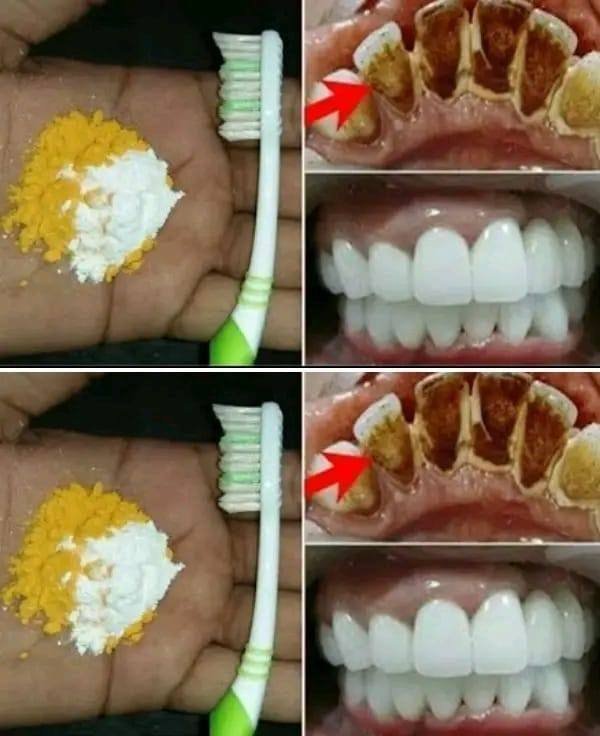
Home Teeth Whitening: What “2-Minute Whitening” Claims Don’t Tell You
Promises like “whiter teeth in just 2 minutes” are usually marketing exaggerations. Real tooth whitening does not safely or permanently happen in a couple of minutes at home. What can happen quickly is a temporary surface change—not true whitening of the tooth structure.
Here’s what actually works, what doesn’t, and what to avoid.
How teeth whitening actually works
Tooth color is affected by:
- Surface stains (coffee, tea, smoking)
- Deeper enamel discoloration over time
- Natural tooth shade (genetics)
Effective whitening works by using chemical agents that break down stains, such as hydrogen peroxide or carbamide peroxide.
What you can realistically expect at home
Fast but temporary “clean look”
Some methods can make teeth look cleaner quickly by removing surface stains:
- Whitening toothpaste
- Baking soda brushing (mild abrasion)
- Professional cleaning (dentist)
These improve brightness slightly but do not deeply whiten enamel in minutes.
Proven home whitening methods
1. Whitening toothpaste
- Removes surface stains gradually
- Works over days to weeks
- Safe for daily use
2. Whitening strips
- Contain peroxide-based gels
- Noticeable results in 1–2 weeks
- One of the most effective at-home methods
3. Custom trays (dentist-supervised)
- Stronger and more even whitening
- Best balance of safety and results
- Works over several days to weeks
What “2-minute whitening” products usually are
These often rely on:
- Optical brighteners (temporary visual effect)
- Surface polishing agents
- Marketing exaggeration
They may make teeth look slightly brighter for a short time, but do not change intrinsic tooth color.
Risks of aggressive DIY whitening
Be careful with:
- Lemon juice or vinegar (damages enamel)
- Charcoal powder (abrasive, can wear enamel)
- Overuse of peroxide gels (can cause sensitivity)
Enamel damage is permanent.
Safer ways to improve tooth color quickly
If you want a fast visible improvement:
- Brush and floss thoroughly
- Use whitening toothpaste
- Avoid coffee, tea, or smoking before events
- Get professional cleaning if possible
When to see a dentist
Consult a dentist if:
- Teeth are deeply stained or unevenly colored
- You have sensitivity or gum issues
- Over-the-counter whitening doesn’t help
A dentist can safely use stronger treatments than home methods.
Bottom line
There is no safe, proven method to whiten teeth permanently in 2 minutes at home. Quick fixes usually only improve surface brightness temporarily. Real whitening takes days to weeks using peroxide-based treatments or professional care.
If you want, tell me your current routine or what stain you’re dealing with (coffee, smoking, age-related), and I can suggest the fastest safe option for your situation.