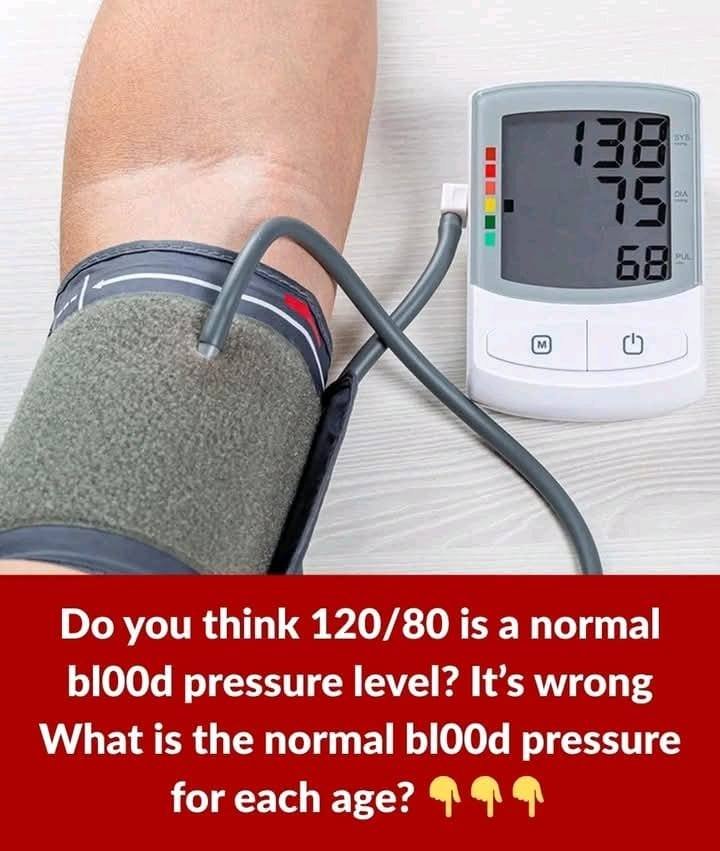
Normal Blood Pressure by Age: What You Should Know
Introduction
Blood pressure isn’t one-size-fits-all. While general guidelines apply to adults, “normal” levels can vary slightly depending on age, overall health, and medical history. Understanding these ranges helps you know when your numbers are healthy—and when to take action.
Standard Adult Blood Pressure Categories
Current guidelines for adults (18+) are generally consistent regardless of age:
- Normal: Less than 120/80 mmHg
- Elevated: 120–129 / less than 80
- High (Stage 1): 130–139 or 80–89
- High (Stage 2): 140/90 or higher
These ranges are used to diagnose hypertension.
Blood Pressure by Age Group
Children (6–12 years)
- Typical range: 90–110 / 55–75 mmHg
Blood pressure in children varies based on height, age, and sex, so doctors use percentile charts rather than fixed numbers.
Teenagers (13–17 years)
- Typical range: 95–120 / 60–80 mmHg
Values start approaching adult levels, but doctors still consider growth and development.
Adults (18–39 years)
- Ideal: Below 120/80 mmHg
- Average: Around 110–120 / 70–80 mmHg
Adults (40–59 years)
- Ideal: Below 120/80 mmHg
- Many fall in: 120–130 / 70–85 mmHg
Slight increases are common with age, but lower is still generally better if tolerated.
Older Adults (60+ years)
- Target: Often below 130/80 mmHg, depending on health
- Some guidelines allow slightly higher systolic values if lowering it further causes side effects like dizziness
Why Blood Pressure Rises With Age
As you get older:
- Arteries become stiffer
- Plaque can build up
- The heart works harder to pump blood
This increases the risk of heart disease, stroke, and kidney problems.
Important Notes
Individual Targets Matter
Doctors may adjust your ideal blood pressure based on:
- Diabetes or kidney disease
- Medications
- Overall cardiovascular risk
Lower Isn’t Always Better
Very low blood pressure (especially in older adults) can cause dizziness or falls. Balance is key.
When to Be Concerned
Seek medical advice if your readings:
- Consistently exceed 130/80 mmHg
- Suddenly spike above normal
- Are paired with symptoms like headaches, chest pain, or vision changes
Conclusion
While ideal blood pressure for most adults is below 120/80 mmHg, age and health conditions can influence what’s considered safe. Regular monitoring and personalized guidance are the best ways to stay within a healthy range and reduce long-term risks.