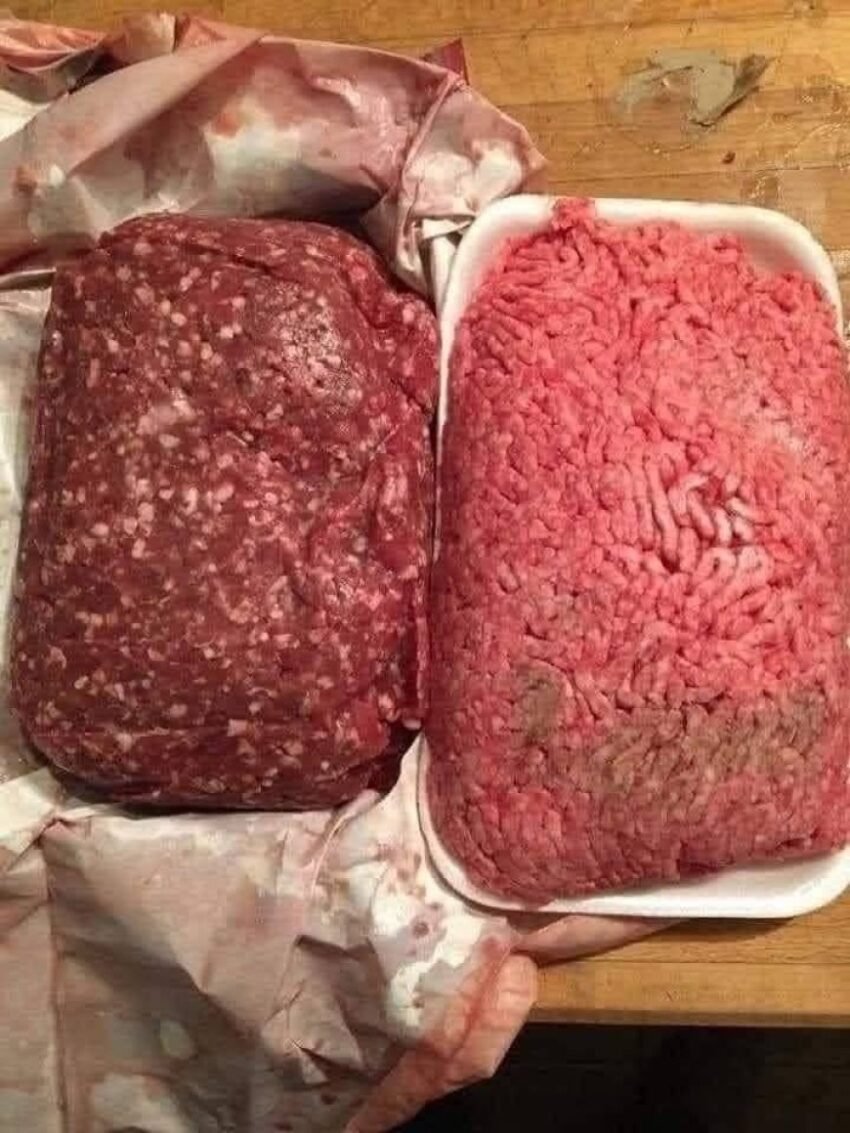
Understanding the True Difference Between Store-Bought Beef and Farm-Raised Beef
Introduction
When you walk into a grocery store to buy beef, you’re often faced with a variety of options. The beef in your store may come from large commercial farms, or it could be sourced from smaller, local farms. But what exactly distinguishes store-bought beef from beef produced on a farm? The differences are important for understanding the quality, sustainability, and ethical considerations of your meat choices.
Beef Production Methods: Commercial vs. Farm-Raised
The primary difference between store-bought beef and beef produced on a farm comes down to the method of production.
Store-Bought Beef
Store-bought beef typically comes from large-scale industrial farms, which use factory farming practices to produce large quantities of beef efficiently. Key features include:
- Mass Production: Cattle are raised in confined spaces with minimal pasture access. The focus is on maximizing output and reducing costs.
- Grain-Fed: In industrial beef production, cattle are often fed a grain-based diet, primarily corn and soy, to promote rapid growth and fattening.
- Use of Growth Hormones and Antibiotics: Many commercial beef producers use growth hormones to speed up the cattle’s growth process and antibiotics to prevent disease in crowded conditions.
- Environmental Impact: Large-scale beef production tends to have a higher environmental impact, including higher greenhouse gas emissions, water usage, and waste production.
Farm-Raised Beef
Farm-raised beef, on the other hand, comes from smaller, more localized operations where cattle are raised with more attention to the land and animal welfare. Characteristics of farm-raised beef include:
- Grass-Fed and Pasture-Raised: Cattle on small farms are often grass-fed and allowed to graze freely on pasture. This method is more natural for the animals and can result in leaner, healthier meat.
- Sustainable Practices: Many small farms focus on sustainable farming methods, which include rotational grazing, preserving natural habitats, and minimizing the use of synthetic inputs like pesticides or fertilizers.
- No Hormones or Antibiotics: Farm-raised beef typically comes from cattle that are not treated with growth hormones or antibiotics, focusing instead on natural health management practices.
Quality of Beef: Taste, Texture, and Nutrition
The production method influences not only the ethical considerations but also the taste, texture, and nutritional profile of the beef.
Store-Bought Beef
- Taste and Texture: Beef from commercial operations tends to be fattier, with more marbling. This can make it taste rich and juicy, but it may also have a higher fat content.
- Nutritional Profile: Grain-fed beef generally has a higher fat content, including more omega-6 fatty acids. However, it tends to have less omega-3 fatty acids compared to grass-fed beef.
Farm-Raised Beef
- Taste and Texture: Farm-raised, grass-fed beef often has a leaner texture and a more distinct, earthy flavor. Many people describe the taste as being richer or more complex compared to grain-fed beef.
- Nutritional Profile: Grass-fed beef is typically lower in total fat and calories but has higher levels of omega-3 fatty acids, which are beneficial for heart health. It may also contain higher amounts of certain vitamins, like vitamin E and A.
Ethical Considerations and Animal Welfare
Animal welfare standards can differ significantly between industrial beef production and smaller, farm-raised operations.
Store-Bought Beef
- Factory Farming: In large-scale operations, animals are often confined to feedlots where they have limited space to move. This can lead to physical and psychological stress for the animals.
- Animal Welfare: While many large-scale operations follow legal guidelines for animal welfare, these guidelines are often seen as minimal and may not meet the standards of more ethical or humane farming practices.
Farm-Raised Beef
- Humane Treatment: Smaller farms, especially those that follow organic or sustainable practices, typically provide cattle with more space to roam and graze. The animals often live in less stressful conditions, with more natural behaviors allowed.
- Ethical Farming Practices: Many farm-raised beef producers are committed to humane practices, including reducing the environmental footprint and focusing on the well-being of the animals.
Environmental Impact
The environmental consequences of beef production can vary greatly depending on the scale and practices of the farm.
Store-Bought Beef
- Higher Carbon Footprint: Large-scale beef production requires more land, water, and feed, which contributes to higher greenhouse gas emissions. Industrial farms often rely on monoculture crops for feed, which can deplete the soil and harm local ecosystems.
- Waste and Pollution: Factory farming operations tend to generate significant waste, which can be difficult to manage. Runoff from these operations can pollute nearby waterways and harm local ecosystems.
Farm-Raised Beef
- Sustainable Practices: Many small farms use sustainable practices that have a lower environmental impact. For example, rotational grazing allows the land to regenerate, and fewer chemical inputs are used.
- Lower Carbon Footprint: Grass-fed beef tends to have a lower carbon footprint compared to grain-fed beef, especially if the farm uses organic or regenerative practices.
Conclusion
The differences between store-bought beef and farm-raised beef are significant and can affect taste, nutrition, animal welfare, and the environment. While store-bought beef is often cheaper and more accessible, it typically comes from large, industrial farms with less emphasis on animal welfare and sustainability. Farm-raised beef, on the other hand, offers more transparency and typically supports more ethical and sustainable farming practices. Choosing between the two depends on individual values, health considerations, and environmental concerns.