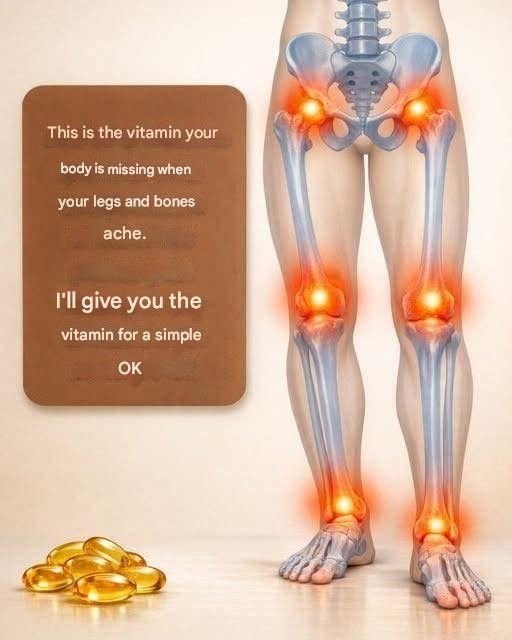
If you’re experiencing pain in your legs and bones, it could be a sign that your body is lacking Vitamin D. This vitamin is crucial for bone health and muscle function. When your body doesn’t get enough Vitamin D, it can lead to a variety of issues, including bone pain, muscle weakness, and in severe cases, conditions like osteomalacia (softening of the bones) or rickets (in children).
How Vitamin D Affects Bone and Muscle Health:
- Bone Pain: Vitamin D helps the body absorb calcium, which is vital for strong bones. A deficiency can lead to bone pain and tenderness, particularly in weight-bearing bones like the legs, hips, and spine.
- Muscle Weakness: Lack of Vitamin D can also result in muscle weakness, which can contribute to discomfort or pain, especially in the legs and lower body.
- Increased Risk of Fractures: Over time, insufficient Vitamin D can lead to brittle bones, making fractures more likely, especially in the elderly.
- Joint Pain: Some people with Vitamin D deficiency also report experiencing pain in their joints, particularly in the knees and hips.
Why Vitamin D Deficiency Happens
Vitamin D deficiency can occur for several reasons, including:
- Limited Sun Exposure: Vitamin D is known as the “sunshine vitamin” because the body produces it in response to sunlight. If you spend a lot of time indoors or live in areas with limited sunlight, you may not be getting enough.
- Dietary Deficiency: While some foods like fatty fish, egg yolks, and fortified foods contain Vitamin D, many people don’t consume enough through diet alone.
- Age: Older adults often have a reduced ability to produce Vitamin D from sunlight and may need supplements to maintain adequate levels.
- Certain Health Conditions: Conditions like celiac disease, Crohn’s disease, and obesity can impair the body’s ability to absorb or use Vitamin D.
How to Address a Vitamin D Deficiency
If you suspect a Vitamin D deficiency, here are some steps you can take:
- Sun Exposure: Aim for around 10-30 minutes of sun exposure a few times a week, depending on your skin tone and where you live.
- Dietary Sources: Include more Vitamin D-rich foods in your diet, such as:
- Fatty fish (salmon, mackerel, sardines)
- Fortified dairy products or plant-based milk (almond, soy, or oat milk)
- Fortified cereals
- Egg yolks
- Supplements: If you are unable to get enough Vitamin D from sunlight or food, a supplement might be necessary. Consult with a healthcare provider to determine the right dosage for you.
- Get Tested: If you’re experiencing persistent bone or muscle pain, a blood test can confirm whether you have a Vitamin D deficiency, and your doctor can recommend the best treatment.
Conclusion
If your legs and bones hurt, it’s worth considering whether a Vitamin D deficiency could be the cause. This vitamin is essential for maintaining healthy bones and muscles, and without it, your body may experience significant discomfort. Be sure to consult with a healthcare provider if you’re experiencing these symptoms, as they can guide you toward the best course of action.
Let me know if you’d like more details on how to manage or treat this!