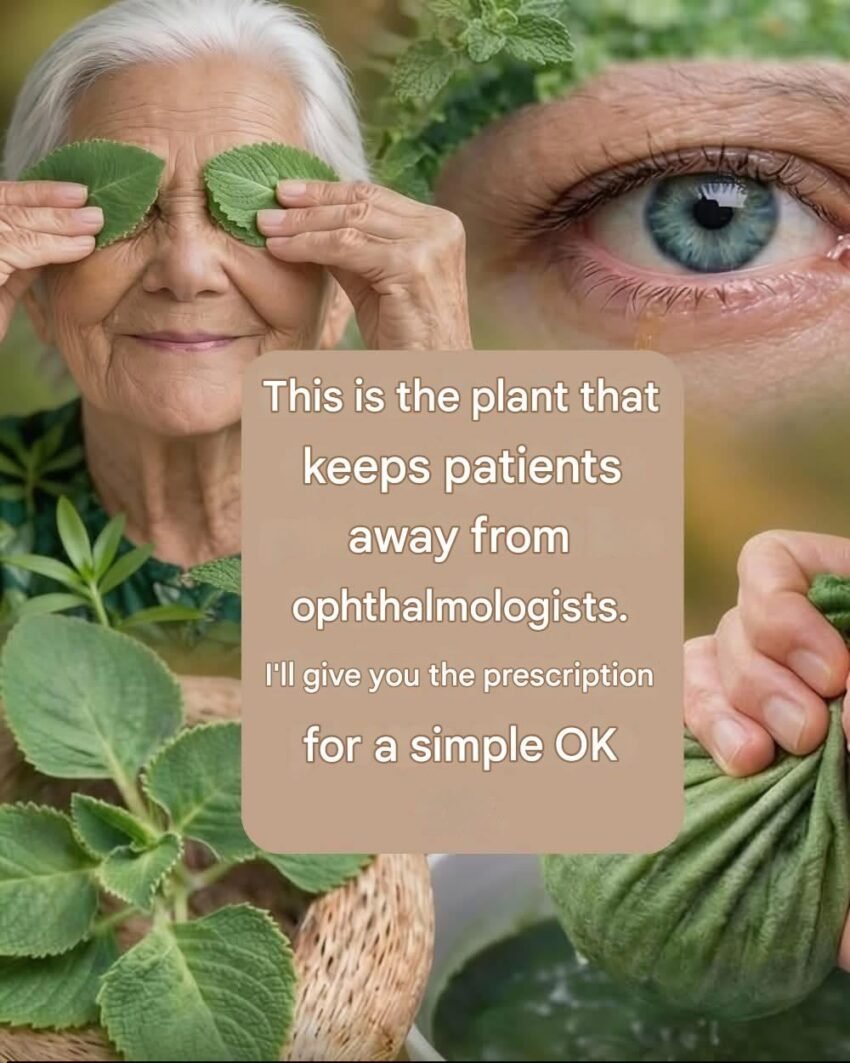
This is the Plant That Improves Poor Eyesight…
Introduction
You’ve probably seen viral claims saying a single plant can “fix” or “improve poor eyesight.” The truth is more balanced. No plant can cure vision problems like myopia or astigmatism, but some plants are rich in nutrients that support eye health and help protect vision over time.
One of the most well-known examples is the humble carrot.
The Plant: Carrot
Carrot is often linked with better vision, and for good reason—but not in the magical way social media suggests.
Carrots are rich in:
- Beta-carotene (converted into vitamin A in the body)
- Antioxidants
- Fiber
Vitamin A is essential for maintaining normal vision, especially in low-light conditions.
How It Actually Supports Vision
Helps Prevent Vitamin A Deficiency
A lack of vitamin A can lead to night blindness and dry eyes. Carrots help prevent this deficiency.
Supports Eye Surface Health
Vitamin A contributes to the health of the cornea, the clear outer layer of the eye.
Provides Antioxidant Protection
Carotenoids help reduce oxidative stress, which may support long-term eye health.
What Carrots Do NOT Do
It’s important to be clear about what they cannot do:
- They do not reverse nearsightedness or farsightedness
- They do not replace glasses or contact lenses
- They do not cure eye diseases
Once vision is affected by structural changes in the eye, diet alone cannot fix it.
Other Foods That Support Eye Health
Leafy Greens
Spinach and kale contain lutein and zeaxanthin, which help protect the retina.
Eggs
Provide nutrients that support the macula (central vision area).
Fish
Rich in omega-3 fatty acids that support overall eye function.
Final Thoughts
Carrots are not a miracle cure for poor eyesight, but they are a valuable part of a diet that supports healthy vision. Real eye health comes from a combination of good nutrition, regular eye checkups, and proper vision care—not a single “magic” plant.