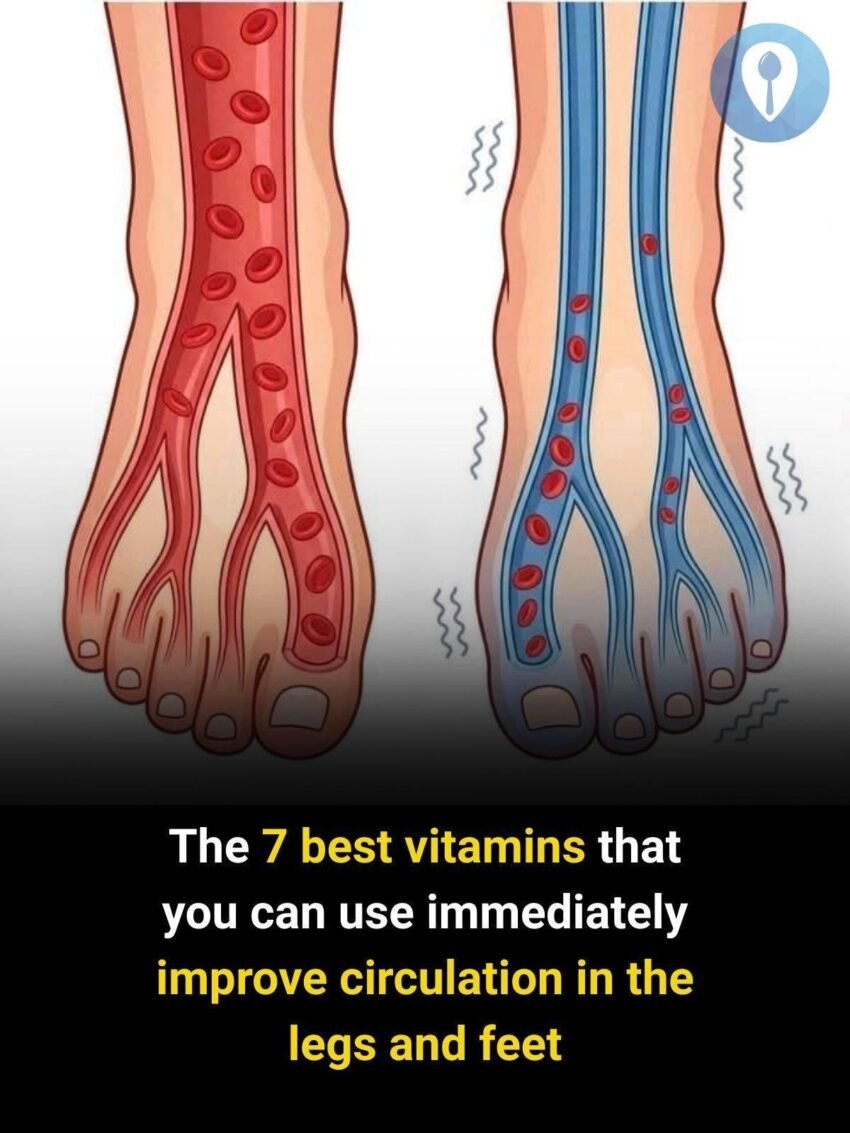
Struggling With Poor Circulation? Simple 20-Minute Habits That May Help Improve Blood Flow
Poor circulation is often described as cold hands and feet, leg heaviness, tingling, or swelling. While these symptoms can have many causes, including conditions like Peripheral artery disease or Chronic venous insufficiency, everyday habits can play an important supportive role in improving blood flow.
Below is a simple 20-minute routine and lifestyle habits that may help.
A 20-Minute Daily Circulation Routine
Minute 1–5: Gentle Warm-Up Movement
Start with light movement to “wake up” circulation.
- March in place
- Shoulder rolls
- Gentle arm swings
This helps increase heart rate slightly and encourages blood flow to the limbs.
Minute 5–10: Ankle and Foot Activation
Focus on the lower legs and feet:
- Ankle circles (10 in each direction per foot)
- Toe flex and point movements
- Heel lifts while standing
These activate the calf muscles, which act like a pump for blood return from the legs.
Minute 10–15: Light Leg Strengthening
Simple strength movements help long-term circulation:
- Sit-to-stand from a chair (slow and controlled)
- Calf raises holding onto a support
- Gentle wall push-ups
Stronger muscles improve vascular efficiency over time.
Minute 15–20: Elevation and Relaxation
Finish by helping blood return upward:
- Lie down and elevate legs slightly using pillows
- Breathe slowly and deeply
- Relax the lower body muscles
This is especially helpful if you experience swelling or heaviness.
Other Daily Habits That Support Circulation
Stay Active Throughout the Day
Long sitting periods reduce blood flow. Try:
- Standing up every 30–60 minutes
- Short walking breaks
- Stretching during screen time
Stay Hydrated
Blood flow depends partly on hydration levels. Mild dehydration can make circulation feel sluggish.
Wear Comfortable Clothing
Avoid tight socks, belts, or clothing that restricts blood flow, especially around the legs.
Keep Feet Warm
Cold temperatures can constrict blood vessels and worsen symptoms of poor circulation.
Supportive Footwear
Well-fitted shoes improve posture and reduce pressure on blood vessels in the legs.
When Poor Circulation Needs Medical Attention
You should seek medical advice if you notice:
- Persistent leg pain when walking
- One leg swelling more than the other
- Non-healing wounds on feet or toes
- Severe numbness or color changes
These may indicate underlying vascular issues like Peripheral artery disease that require treatment.
Important Perspective
These habits can support circulation and reduce discomfort, but they do not replace medical treatment if there is an underlying condition. Think of them as daily maintenance for vascular health, not a cure.
Bottom Line
A simple 20-minute routine combining movement, activation, and elevation can help support healthy blood flow in the legs and feet. Consistency matters more than intensity.
If symptoms persist or worsen, it’s important to investigate the underlying cause rather than relying only on home routines.