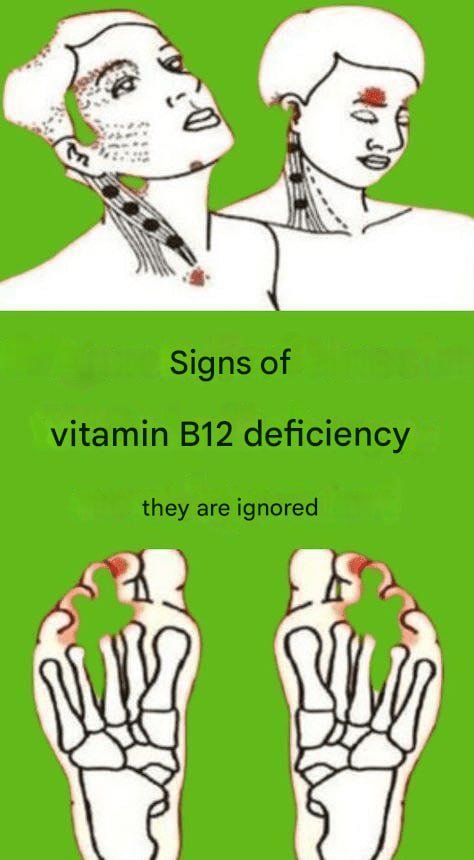
7 Common Signs of Vitamin B12 Deficiency That Are Often Ignored
1. Fatigue and Weakness
One of the earliest and most common symptoms of a Vitamin B12 deficiency is extreme fatigue. B12 is essential for producing red blood cells that carry oxygen throughout the body. A lack of B12 leads to fewer red blood cells and reduced oxygen delivery, which causes fatigue, weakness, and lack of energy. This can be easily mistaken for stress or lack of sleep.
- What to look for: Constant tiredness, even after a full night’s rest, or difficulty staying active throughout the day.
2. Pale or Jaundiced Skin
Vitamin B12 plays a crucial role in red blood cell production. Without enough B12, red blood cells can become large and dysfunctional, leading to paleness. In some cases, people with B12 deficiency develop a yellowish tint to their skin and eyes (jaundice), due to a breakdown of these ineffective red blood cells.
- What to look for: A pale complexion, yellowing of the skin or eyes.
3. Tingling or Numbness in the Hands and Feet
B12 is essential for nerve function. A deficiency can lead to nerve damage, causing sensations like tingling, numbness, or even a “pins and needles” feeling in the hands, legs, or feet. This condition is known as peripheral neuropathy and can become permanent if not addressed.
- What to look for: A sensation of pins and needles, or numbness in the limbs, especially the hands and feet.
4. Memory Problems and Cognitive Decline
B12 is important for maintaining a healthy brain and nervous system. A deficiency can lead to memory problems, brain fog, and difficulty concentrating. Over time, untreated deficiency can lead to more severe cognitive decline, including confusion and difficulty remembering things.
- What to look for: Difficulty recalling recent events, trouble concentrating, or feeling forgetful.
5. Mood Changes and Depression
B12 is also involved in the production of serotonin and other chemicals that regulate mood. A deficiency can lead to depression, irritability, and even more severe mood disorders. Many people with B12 deficiency report feeling down or hopeless, but it can often be misattributed to personal struggles or age.
- What to look for: Persistent feelings of sadness, irritability, or a general feeling of being “down” without a clear cause.
6. Glossitis and Mouth Sores
A deficiency in Vitamin B12 can cause a swollen, inflamed tongue, known as glossitis, which can make the tongue appear smooth, swollen, and red. This condition is often accompanied by mouth sores and can make it painful to eat or speak. Some people may also experience a feeling of soreness in the mouth or throat.
- What to look for: A swollen, smooth tongue, mouth ulcers, or difficulty swallowing.
7. Shortness of Breath and Dizziness
As B12 plays a critical role in red blood cell production, a deficiency can lead to anemia, which in turn causes symptoms like shortness of breath, dizziness, and lightheadedness. This can be mistaken for simple fatigue or other cardiovascular problems.
- What to look for: Feeling breathless after light activity, dizziness, or lightheadedness even when not physically exerting yourself.
Why B12 Deficiency Is Often Ignored
- Symptoms Overlap with Other Conditions: Many of the signs of B12 deficiency, like fatigue, mood changes, or memory problems, can overlap with other conditions, such as depression, stress, or aging, leading people to dismiss them.
- Slow Onset: The symptoms of B12 deficiency develop gradually, and people often adjust to them over time, not recognizing them as a health issue until they become severe.
- Lack of Awareness: Many people are unaware of the importance of B12, especially those who are at risk, such as older adults, vegetarians/vegans, and individuals with certain medical conditions.
Risk Factors for Vitamin B12 Deficiency
- Age: Older adults are at a higher risk due to decreased stomach acid, which is necessary to absorb B12.
- Dietary Factors: Vegetarians and vegans are more likely to develop a B12 deficiency because this vitamin is primarily found in animal products like meat, fish, and dairy.
- Gastrointestinal Issues: Conditions like celiac disease, Crohn’s disease, or gastric bypass surgery can interfere with B12 absorption.
- Medication: Some medications, such as proton pump inhibitors (PPIs) or metformin, can reduce the body’s ability to absorb B12.
How to Address Vitamin B12 Deficiency
If you suspect you have a Vitamin B12 deficiency, it’s important to consult a healthcare provider for a blood test. Once diagnosed, the deficiency can be treated with:
- Dietary Changes: Incorporating more B12-rich foods like fish, meat, eggs, and dairy into your diet.
- B12 Supplements: Vitamin B12 can be taken in the form of pills, sublingual tablets, or injections, depending on the severity of the deficiency.
- Fortified Foods: For vegetarians and vegans, consuming B12-fortified foods like plant-based milks, breakfast cereals, and nutritional yeast can help.
Conclusion
Vitamin B12 deficiency can cause a wide range of symptoms that are often ignored or misattributed to other causes. Recognizing the early signs is essential, as untreated deficiency can lead to severe health problems, including nerve damage and cognitive decline. If you’re experiencing any of the symptoms mentioned, it’s a good idea to consult with a healthcare provider and get tested for B12 levels. Early intervention can prevent further complications and help restore your health.
Let me know if you’d like further details on Vitamin B12 or treatment options!