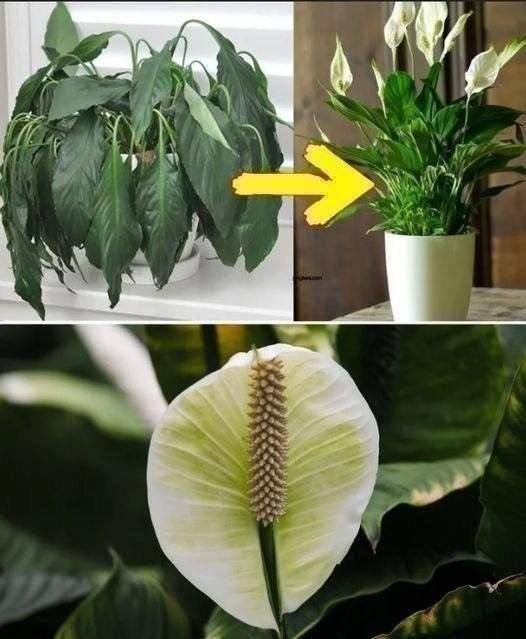
Place a Tablespoon on Any Plant at Home: What to Expect
Introduction
You may have seen claims online suggesting that placing a tablespoon on a plant can somehow improve its growth or health. While this idea sounds intriguing, the reality is much more practical—and a bit less mysterious. Let’s break down what actually happens.
First: What the “Tablespoon Trick” Usually Refers To
In most cases, this trend is not about the spoon itself—it’s about what people do with it. A tablespoon is simply a measuring tool commonly used for:
- Fertilizer
- Watering supplements
- Compost teas
- Homemade plant feeds
So the spoon is not magical; it’s just a way to measure ingredients accurately.
What Happens If You Literally Place a Tablespoon on a Plant
1. Nothing at All
If you simply place a clean, dry tablespoon on soil or near a plant, there is no biological effect. Plants do not respond to metal objects in any meaningful way.
2. Possible Minor Physical Effects
- It may slightly shade a tiny patch of soil
- It could collect dew or moisture underneath
But these effects are negligible and not beneficial to plant growth.
3. Risk of Misinterpretation
Some viral posts mix this idea with gardening hacks, leading people to believe the spoon itself has a function. In reality, plant health depends on care practices, not objects.
What Actually Helps Plants Grow
If your goal is healthier plants, focus on proven factors:
Proper Watering
Overwatering and underwatering are the most common causes of plant stress.
Good Soil Nutrition
Use balanced fertilizers measured carefully (this is where a tablespoon may actually be useful).
Adequate Sunlight
Different plants need different light levels, but all require consistent exposure.
Drainage
Healthy roots need oxygen—poor drainage can lead to root rot.
When a Spoon Is Useful in Gardening
A tablespoon becomes helpful when:
- Measuring liquid fertilizer
- Mixing soil additives
- Portioning compost or amendments
In this case, it’s a tool—not a treatment.
Conclusion
Placing a tablespoon on a plant does nothing meaningful on its own. However, the spoon becomes useful when it helps you measure or apply proper plant care ingredients. Healthy plants come from consistent care, not objects placed nearby.