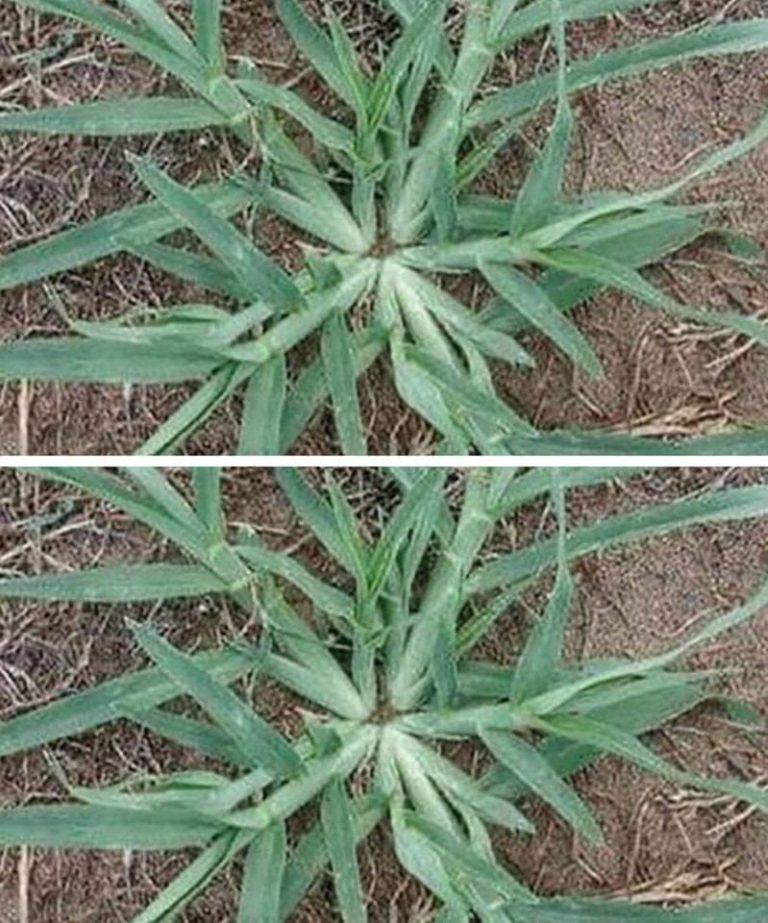
“Never Uproot This Plant If It Appears in Your Garden” — What It Really Means
Introduction
Headlines like this are designed to create urgency, but they are usually oversimplified or misleading. In reality, whether a plant should be removed or kept depends entirely on what the plant actually is and how it affects your garden ecosystem.
There is no universal plant that is always beneficial in every situation.
Why Some Plants Are Called “Do Not Uproot”
People often share this kind of warning about plants that are believed to have benefits such as:
- Improving soil quality
- Supporting pollinators like bees
- Having traditional medicinal uses
- Indicating healthy soil conditions
However, these claims are often based on traditional knowledge or partial scientific observations, not universal rules.
The Reality: Context Matters
A plant that is helpful in one garden can be harmful in another.
1. Beneficial Wild Plants
Some wild plants can be useful:
- Improve soil nitrogen
- Attract pollinators
- Provide ground cover to prevent erosion
But even these can become invasive if left unchecked.
2. Invasive Species Problem
Many “mysterious beneficial plants” turn out to be invasive weeds, which:
- Spread quickly
- Compete with crops or flowers
- Disrupt local ecosystems
In Europe, for example, several ornamental or wild plants have become invasive over time.
3. Misidentified Plants
Sometimes viral posts refer to plants without proper identification. This is risky because:
- Some plants are toxic
- Some look similar to harmless herbs
- Misidentification can lead to incorrect “don’t remove” advice
Common Example of Viral Claims
Posts like this often circulate about plants such as:
- Dandelion
- Purslane
- Certain wild “herbs” or ground weeds
While some of these are edible or useful, they are not universally required to be kept in gardens.
How to Decide Whether to Keep a Plant
Instead of following viral advice, consider:
Keep it if:
- It supports pollinators
- It does not spread aggressively
- It fits your garden goals
Remove it if:
- It damages other plants
- It spreads uncontrollably
- You cannot identify it confidently
- It may be toxic to pets or humans
Important Safety Reminder
Never consume or use a plant based only on social media claims. Some wild plants can resemble edible ones but may be harmful.
Conclusion
The statement “never uproot this plant if it appears in your garden” is not scientifically reliable on its own. Whether a plant should stay or go depends on accurate identification, local ecosystem impact, and your gardening goals.
There is no single plant that is universally beneficial everywhere—only plants that are useful in the right context and problematic in the wrong one.