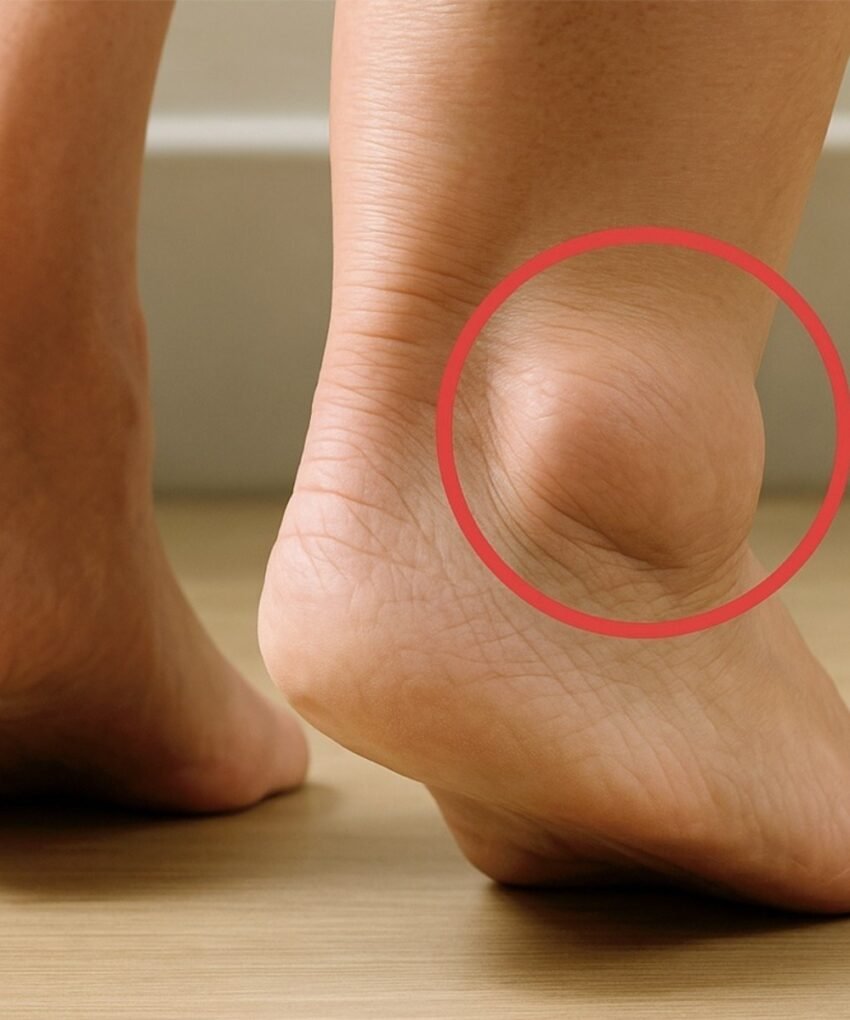
If Your Feet Swell, It Is a Clear Sign That…
Introduction
Swollen feet are a common symptom, but the idea that it is a “clear sign of one specific condition” is misleading. Foot swelling can happen for many reasons—some harmless, others requiring medical attention. The key is context, duration, and accompanying symptoms.
The medical term for swelling caused by fluid buildup is Edema.
1. Fluid Retention (Most Common Cause)
One of the simplest explanations is temporary fluid buildup.
Common triggers:
- Eating too much salt
- Hot weather
- Long periods of standing or sitting
- Hormonal changes
In these cases, swelling is usually mild and temporary.
2. Poor Circulation or Venous Insufficiency
When blood doesn’t return efficiently from the legs:
- Fluid can pool in the feet and ankles
- Swelling tends to worsen later in the day
- It may improve when lying down
This is more common in older adults.
3. Heart, Kidney, or Liver Problems (More Serious Causes)
Persistent or worsening swelling may be linked to internal organ issues:
- Heart problems: Reduced pumping efficiency can lead to fluid buildup
- Kidney issues: The body may retain excess fluid
- Liver conditions: Can affect protein balance and fluid regulation
In such cases, swelling is usually not the only symptom.
4. Medications
Some medicines can cause swelling as a side effect, including:
- Certain blood pressure medications
- Anti-inflammatory drugs
- Hormonal treatments
If swelling starts after a new medication, it should be reviewed by a doctor.
5. Injury or Local Inflammation
Sometimes swelling is limited to one foot or ankle:
- Sprains or injuries
- Infections
- Inflammation in joints
This type of swelling is usually localized.
When Foot Swelling Is More Concerning
You should seek medical advice if:
- Swelling is sudden or severe
- Only one leg is swollen
- There is pain, redness, or warmth
- You also have shortness of breath or chest discomfort
- Swelling does not improve with rest
These could indicate more serious conditions, including Edema related to heart or circulatory issues.
Simple Ways to Reduce Mild Swelling
- Reduce salt intake
- Elevate your legs when resting
- Stay physically active
- Avoid sitting or standing for long periods
- Stay properly hydrated
Important Reality Check
- Mild foot swelling is very common and often harmless
- It does not automatically indicate a serious disease
- The cause depends on overall health and symptoms
Conclusion
If your feet swell, it is not a “clear sign” of one specific problem. It can range from simple fluid retention to more serious health conditions.
The most accurate takeaway is:
- Temporary swelling is often lifestyle-related
- Persistent or painful swelling needs medical evaluation
- Context matters more than the symptom alone
If you want, I can help you figure out what type of swelling fits your situation based on your symptoms.