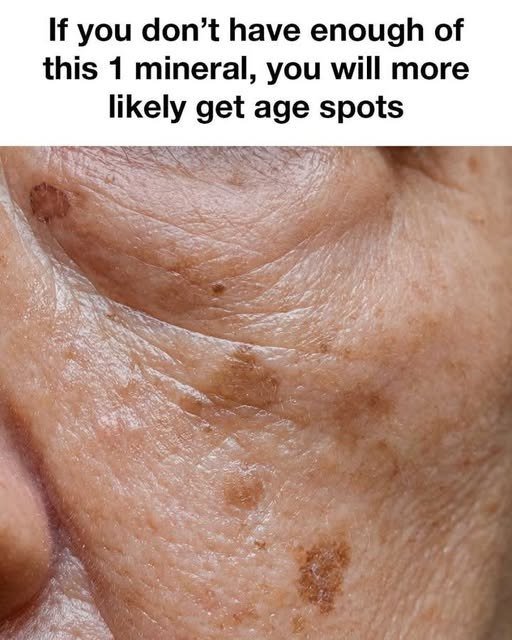
Age spots—also called liver spots—are commonly linked to sun exposure and aging, but nutrition can play a supporting role. One mineral that’s often discussed in this context is zinc.
The Role of Zinc in Skin Health
Zinc is an essential trace mineral involved in skin repair, immune function, and protection against oxidative stress. It helps regulate melanin production (the pigment that gives skin its color) and supports the skin’s ability to heal from damage.
When zinc levels are low, the skin may become more vulnerable to:
- Uneven pigmentation
- Slower healing from sun damage
- Increased oxidative stress, which contributes to visible aging
Zinc and Age Spots
Age spots are primarily caused by cumulative UV exposure, which triggers excess melanin production. However, zinc plays a protective role because it:
- Supports antioxidant defenses that limit skin damage
- Helps maintain normal pigment distribution
- Assists in repairing UV-related cellular damage
A deficiency in Zinc doesn’t directly “cause” age spots, but it may make your skin less resilient, increasing the likelihood of pigmentation issues over time.
Other Contributing Factors
It’s important to stay grounded here: even with perfect nutrition, age spots can still develop. The main drivers are:
- Long-term sun exposure
- Aging
- Genetics
Nutrition—including adequate zinc—acts more as a protective factor than a guaranteed prevention.
Sources of Zinc
To maintain healthy levels of Zinc, include foods like:
- Meat and poultry
- Shellfish (especially oysters)
- Nuts and seeds
- Whole grains
- Dairy products
Bottom Line
Zinc supports skin health and may help reduce the risk of uneven pigmentation, but it’s not a standalone solution. The most effective way to prevent age spots is consistent sun protection combined with a balanced diet that includes sufficient Zinc.