How to Naturally Relieve Gout and Joint Pain
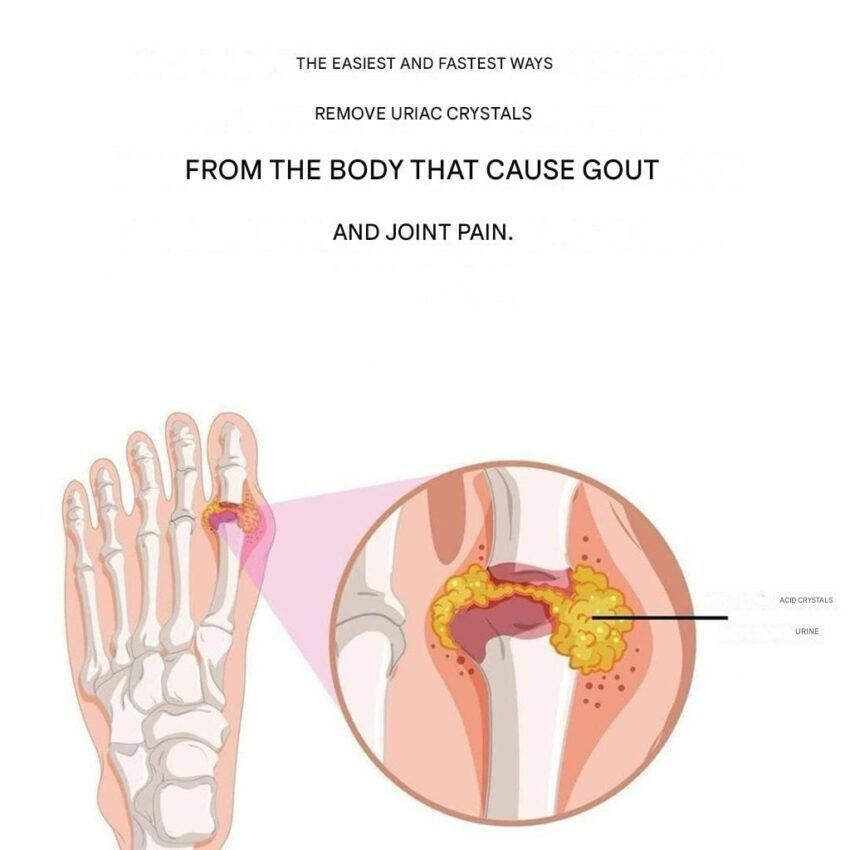
Gout is a form of inflammatory arthritis caused by high levels of uric acid in the blood, which can form crystals in joints (often the big toe, ankles, or knees). While medical treatment is sometimes necessary, several natural strategies can help reduce pain and flare-ups.
What is gout?
Gout
Gout happens when uric acid builds up and crystallizes in joints, leading to:
- Sudden severe joint pain
- Swelling and redness
- Warmth in the affected joint
- Reduced mobility during flare-ups
1. Stay well hydrated
Water helps the kidneys flush out excess uric acid.
What to do:
- Drink plenty of water throughout the day
- Aim for pale yellow urine as a simple guide
- Avoid dehydration (a common trigger for flare-ups)
2. Reduce high-purine foods
Purines break down into uric acid in the body.
Limit or avoid:
- Organ meats (liver, kidney)
- Red meat in excess
- Certain seafood (sardines, anchovies, shellfish)
- Alcohol, especially beer
3. Eat more low-fat dairy and plant foods
These may help lower uric acid levels.
Helpful options:
- Low-fat milk and yogurt
- Fruits (especially cherries, berries)
- Vegetables (most are safe)
- Whole grains
4. Cherries and cherry juice
Some studies suggest cherries may help reduce gout flare-ups.
Why they may help:
- Contain anti-inflammatory compounds
- May help lower uric acid levels slightly
- Can reduce frequency of attacks in some people
5. Maintain a healthy weight
Excess weight can increase uric acid levels.
Benefits of gradual weight loss:
- Reduces strain on joints
- Helps regulate uric acid production
- Lowers inflammation in the body
Avoid crash diets, which can actually worsen gout.
6. Manage joint pain during flare-ups
When pain occurs:
- Rest the affected joint
- Apply cold packs for swelling
- Elevate the limb
- Avoid putting pressure on the joint
7. Limit alcohol and sugary drinks
These can raise uric acid levels and trigger attacks.
Especially:
- Beer and spirits
- Sugary sodas
- High-fructose drinks
When to seek medical care
You should see a doctor if:
- Pain is severe or frequent
- Multiple joints are affected
- Swelling does not improve
- You have repeated gout attacks
Sometimes medication is needed to prevent long-term joint damage.
Bottom line
Natural management of gout focuses on:
- Staying hydrated
- Eating a low-purine, balanced diet
- Reducing alcohol and sugary drinks
- Maintaining a healthy weight
- Using cherries and anti-inflammatory foods as support
These methods can help reduce symptoms, but gout is a medical condition that often requires long-term management for full control.
If you want, I can also give you a simple 1-day gout-friendly meal plan or foods to avoid checklist.