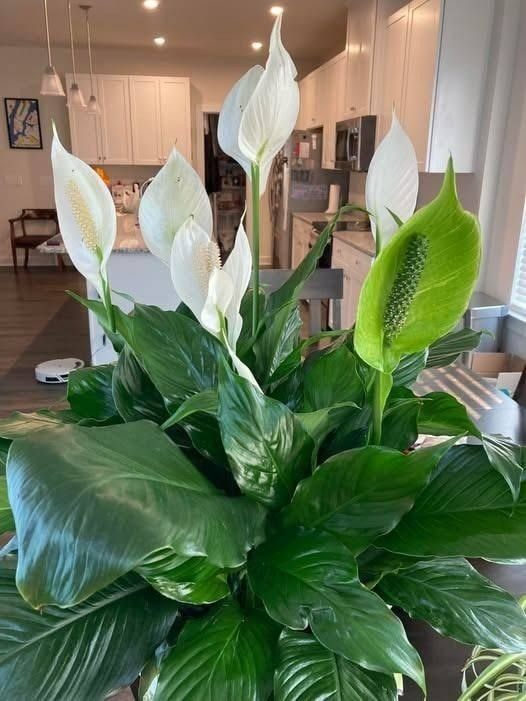
How to Get Your Peace Lily to Flower More – Expert Tips for Lush Blooms
The Peace Lily is loved for its glossy green leaves and elegant white blooms. While it’s known as an easy houseplant, many people struggle to get it to flower consistently. The good news is that blooming is less about luck and more about giving the plant the right conditions.
Understand How Peace Lilies Bloom
A Peace Lily produces flowers when it has enough energy stored. Blooms are actually modified leaves called spathes, and they appear when light, nutrients, and overall care are balanced. If your plant looks healthy but isn’t flowering, it’s usually missing one key factor—most often light.
Provide the Right Light
Light is the biggest factor in encouraging blooms.
- Place your Peace Lily in bright, indirect light
- Avoid deep shade, which leads to lush leaves but no flowers
- Keep it out of harsh direct sun, which can scorch the leaves
A spot near an east- or north-facing window works well. If your plant hasn’t bloomed in a long time, increasing light exposure slightly can make a noticeable difference.
Water Properly and Consistently
Peace lilies prefer evenly moist soil, but they don’t like sitting in water.
- Water when the top inch of soil feels dry
- Use well-draining soil and pots with drainage holes
- Avoid letting the plant completely dry out too often
A well-hydrated Peace Lily is more likely to produce blooms because it isn’t under stress.
Feed with the Right Nutrients
Flowering requires nutrients, especially phosphorus.
- Use a balanced liquid fertilizer every 4–6 weeks during the growing season
- Avoid over-fertilizing, which can lead to leaf growth at the expense of flowers
A properly fed Peace Lily will have the energy it needs to bloom repeatedly.
Maintain Ideal Temperature and Humidity
These plants thrive in conditions similar to tropical environments.
- Keep temperatures between 18–27°C
- Avoid cold drafts or sudden temperature changes
- Increase humidity if your indoor air is dry (especially in winter)
Higher humidity can significantly improve blooming performance.
Repot When Necessary
If your plant is root-bound, it may stop flowering.
- Repot every 1–2 years
- Choose a pot only slightly larger than the current one
- Refresh the soil to improve nutrient availability
A refreshed Peace Lily often resumes blooming after repotting.
Remove Old Flowers
Dead or aging blooms can drain energy.
- Cut spent flowers at the base
- This redirects energy toward new growth and future blooms
Regular pruning helps keep the plant focused on producing fresh flowers.
Consider Plant Maturity
Young plants may not bloom yet. Most Peace Lily specimens need to reach a certain level of maturity before they begin flowering regularly.
Final Thoughts
If your Peace Lily isn’t flowering, the issue is usually insufficient light or inconsistent care rather than anything complex. By adjusting light, watering, and feeding, you can encourage your Peace Lily to produce more frequent and longer-lasting blooms.