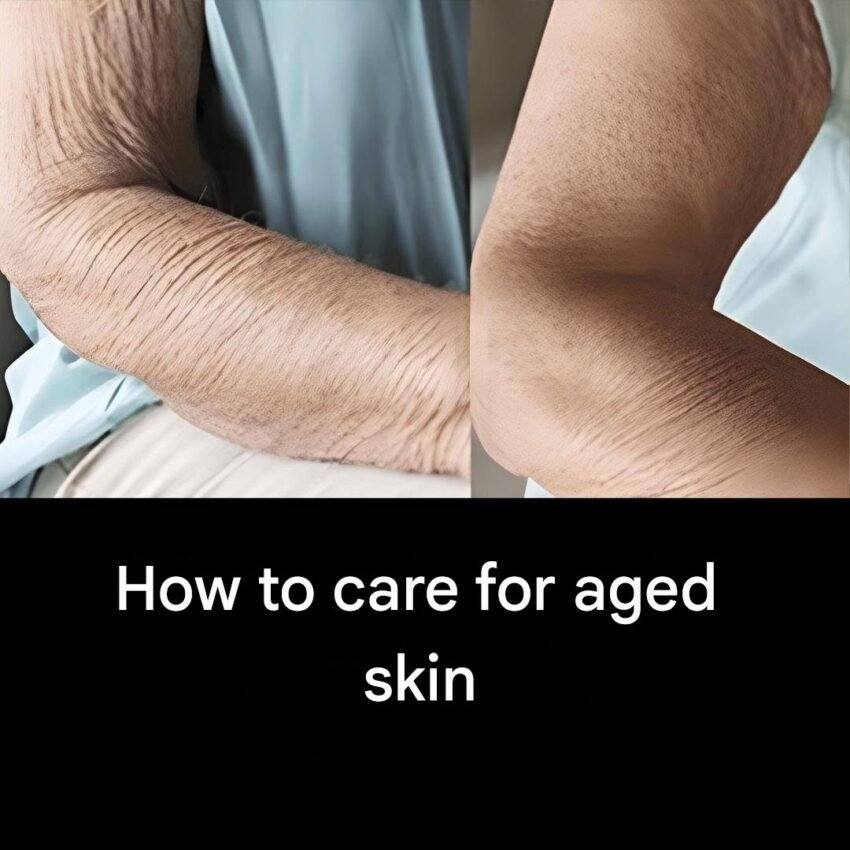
1. Hydrate, Hydrate, Hydrate
As we age, the skin produces less oil and moisture, which can lead to dryness and discomfort. Keeping your skin hydrated is crucial.
- Use a rich moisturizer: Look for creams or lotions with ingredients like hyaluronic acid, glycerin, and ceramides to help lock in moisture. These ingredients attract moisture to the skin and help it retain hydration.
- Drink plenty of water: Staying hydrated from the inside is just as important as applying hydrating products.
2. Gentle Cleansing
Aging skin tends to be more sensitive, so harsh cleansers or over-cleansing can lead to irritation and dryness. Choose a mild, non-stripping cleanser that won’t dry out the skin.
- Go for cream-based cleansers: These are often more hydrating and gentle than foaming or gel-based options.
- Avoid hot water: Hot water can strip the skin of its natural oils. Opt for lukewarm water instead.
3. Sun Protection is a Must
The sun’s UV rays are one of the leading causes of skin aging, so protecting your skin from UV damage is crucial. Even if you’re inside most of the day, UV rays can still affect your skin.
- Use a broad-spectrum sunscreen: Choose a sunscreen with SPF 30 or higher. Look for formulas that protect against both UVA (aging) and UVB (burning) rays.
- Reapply sunscreen every two hours: If you’re going outdoors or spending time in direct sunlight, be sure to reapply every two hours, especially if you’re sweating or swimming.
- Wear protective clothing: Hats, sunglasses, and long sleeves can provide additional protection.
4. Exfoliate Regularly (But Gently)
Exfoliation helps remove dead skin cells, making your skin look brighter and allowing your skincare products to absorb better. However, older skin can be more sensitive, so you need to exfoliate carefully.
- Use mild exfoliants: Look for gentle exfoliants with ingredients like lactic acid or mild fruit acids (AHAs). Avoid abrasive scrubs that can damage the skin.
- Exfoliate 1-2 times a week: Over-exfoliating can irritate the skin, so aim for a gentle exfoliation once or twice a week.
5. Incorporate Antioxidants
Antioxidants fight free radicals (unstable molecules that can cause damage to skin cells) and help prevent premature aging.
- Vitamin C: This vitamin helps brighten the skin and reduce dark spots, as well as promoting collagen production for firmer skin.
- Vitamin E: It has anti-inflammatory properties and helps protect the skin from UV damage.
- Green tea extract: Green tea is rich in polyphenols, which can help reduce skin inflammation and signs of aging.
6. Moisturize at Night
Your skin repairs itself while you sleep, so nighttime is the best time to provide it with extra hydration and nourishment.
- Use richer creams at night: Night creams are usually thicker and more hydrating. Look for those that contain retinol, peptides, or antioxidants to support skin repair while you rest.
- Consider a hydrating mask: Once or twice a week, you can apply a hydrating face mask before bed for a boost of moisture.
7. Retinoids (Retinol)
Retinoids, such as retinol and tretinoin, are one of the most powerful ingredients for anti-aging. They can help reduce fine lines, wrinkles, and age spots by promoting skin cell turnover and boosting collagen production.
- Start slowly: Retinol can be irritating for sensitive skin. Start with a low concentration (around 0.25% or 0.5%) and apply it 2-3 times a week, gradually increasing as your skin adjusts.
- Use at night: Retinol can make your skin more sensitive to the sun, so it’s best to apply it at night and follow up with sunscreen during the day.
8. Boost Collagen Production
Collagen is a protein that helps keep skin firm and smooth. As you age, collagen production decreases, leading to sagging skin and wrinkles.
- Use products with peptides: Peptides help stimulate collagen production and can help strengthen the skin.
- Consider collagen supplements: Some studies suggest that collagen peptides taken orally may help improve skin elasticity and reduce wrinkles.
9. Protect the Delicate Eye Area
The skin around the eyes is thinner and more delicate than the rest of your face, which makes it more prone to fine lines, puffiness, and dark circles.
- Use an eye cream: Look for an eye cream with ingredients like peptides, hyaluronic acid, or caffeine to reduce puffiness and fine lines.
- Be gentle when applying: Use your ring finger to gently tap the cream around your eyes to avoid tugging at the delicate skin.
10. Maintain a Healthy Diet
What you eat affects the health of your skin. A nutrient-rich diet can help support skin health from the inside out.
- Eat foods rich in antioxidants: Berries, leafy greens, nuts, and seeds help protect the skin from oxidative stress.
- Include healthy fats: Omega-3 fatty acids found in foods like salmon, avocado, and walnuts can help maintain the skin’s moisture and elasticity.
- Stay hydrated: Along with drinking water, consider eating water-rich foods like cucumbers, watermelon, and oranges to boost your skin’s hydration.
11. Stay Active
Exercise helps improve blood circulation, which delivers more oxygen and nutrients to the skin. It also promotes collagen production and helps reduce the appearance of wrinkles.
- Incorporate strength training: Building muscle mass can also help with skin tone and firmness, as the skin is supported from beneath.
12. Don’t Forget Your Neck and Décolletage
The skin on your neck and chest area can age more quickly due to thinner skin and less sebaceous gland activity (which means less natural moisture). Make sure to extend your skincare routine to these areas.
- Apply sunscreen: Don’t neglect the neck and chest when applying sunscreen.
- Moisturize regularly: The neck and décolletage benefit from the same moisturizing routine as your face.
Final Thoughts
Taking care of aging skin doesn’t require drastic measures or expensive treatments—consistent, gentle skincare habits can make a big difference. By keeping your skin hydrated, protecting it from the sun, and using the right ingredients, you can support your skin’s health and maintain a youthful glow for years to come. If you’re ever uncertain about which products to use or if you have specific concerns, it’s always a good idea to consult with a dermatologist.