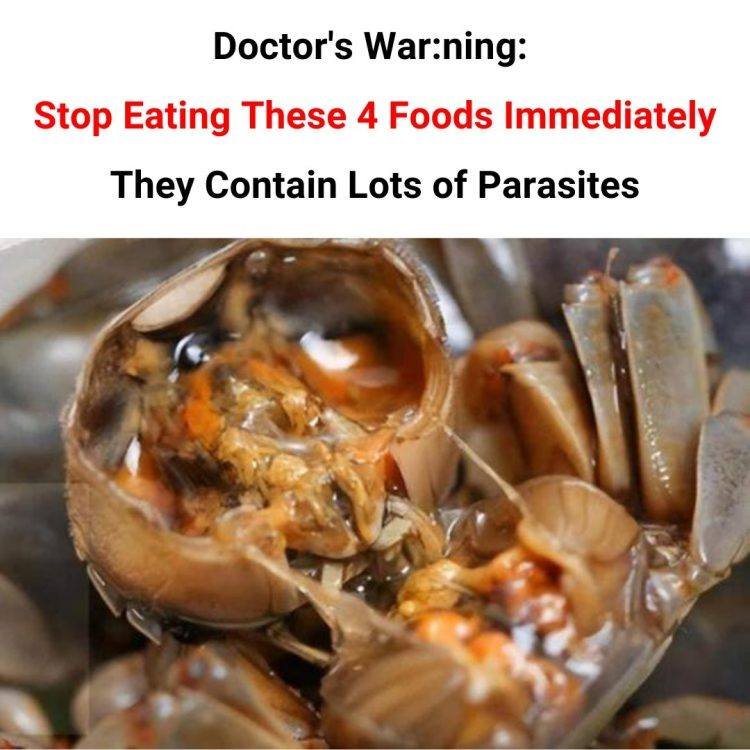
Short answer: yes — that claim is spreading online, but it’s misleading and not backed by solid medical guidance.
What the viral claim says
Posts like “Doctors warn: limit eating these 4 foods immediately, they contain a lot of parasites” are circulating widely on platforms like Facebook and short-video apps.
They usually:
- List random foods (often fruits, vegetables, or common items)
- Use fear-based language (“full of parasites,” “dangerous”)
- Don’t cite real medical organizations or evidence
What experts actually say
Medical and food safety experts do not warn against specific everyday foods in that blanket way. Instead, they emphasize how food is handled and cooked, not just what food it is.
- Parasites can exist in food, but the risk depends on preparation and hygiene, not simply the food itself
- The highest-risk situations are:
- Raw or undercooked meat, fish, or eggs
- Unwashed fruits and vegetables
- Contaminated water or unpasteurized products
In other words, the issue is food safety practices, not “4 dangerous foods.”
Why these posts go viral
There’s a bigger trend behind this:
- Social media has seen a surge in parasite fears and “cleanses”
- Some influencers claim “most people have parasites,” which doctors say is exaggerated or false
- Experts warn this misinformation can lead to unnecessary anxiety or unsafe treatments
A real example of misinformation
Even when a doctor’s warning circulates (like a viral video about raw beetroot), it’s often:
- Taken out of context
- Not independently verified
- Focused on proper washing/cooking, not banning the food itself
What you should actually do
Instead of avoiding random foods, follow basic food safety:
- Cook meat and seafood thoroughly
- Wash fruits and vegetables well
- Avoid unpasteurized milk or juices
- Maintain good kitchen hygiene
These steps dramatically reduce any real parasite risk.
Bottom line
The “4 foods full of parasites” claim is clickbait-style misinformation.
There’s no credible medical guideline telling people to immediately stop eating specific common foods.
Parasites are a real issue—but they’re managed through safe food handling, not viral lists.
If you want, I can break down which foods actually carry higher parasite risk (based on science, not social media).