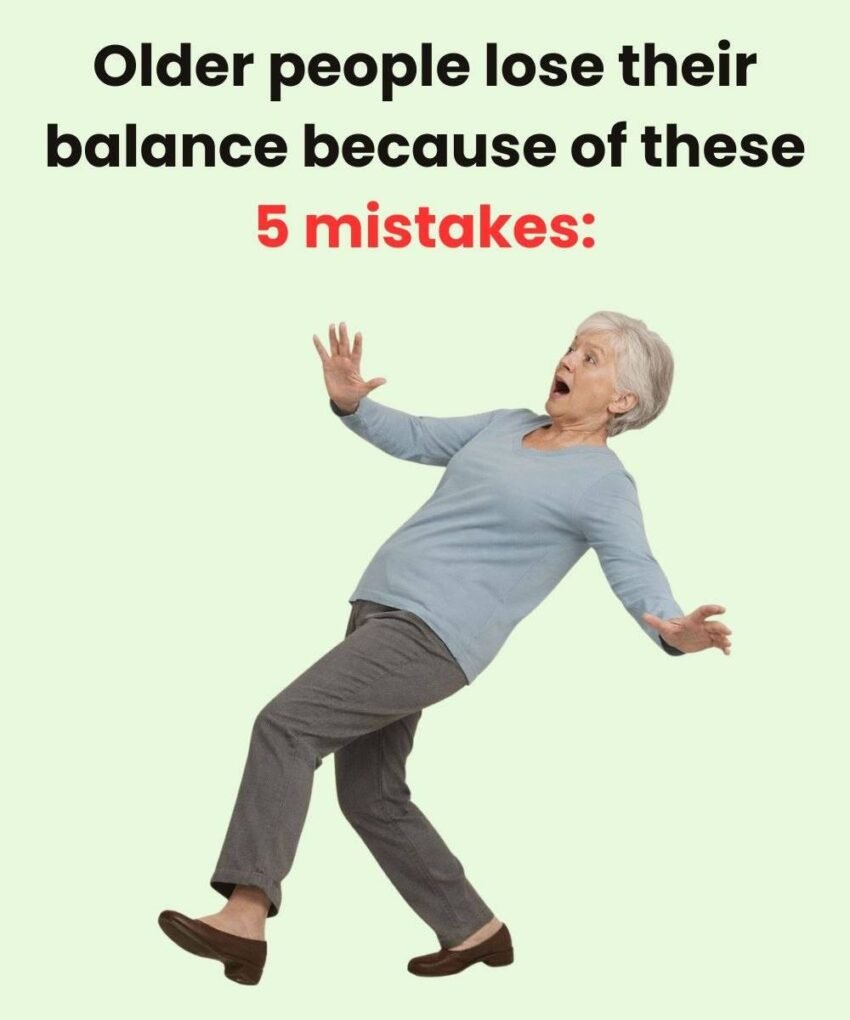
Common Mistakes That Affect Balance in Older Adults
Balance problems in older adults are very common, but they are often made worse by everyday habits and overlooked health issues. Poor balance increases the risk of falls, which can lead to serious injuries. Understanding these mistakes can help improve stability and confidence in daily movement.
1. Not Staying Physically Active
Avoiding movement weakens muscles over time, especially in the legs and core. Weak muscles make it harder to stay steady while walking or standing.
2. Poor Footwear Choices
Wearing shoes that are:
- Loose
- Slippery
- High-heeled or flat without support
can reduce grip and stability, increasing fall risk.
3. Ignoring Vision Problems
Poor eyesight affects depth perception and obstacle awareness. Not updating glasses or ignoring eye exams can directly impact balance.
4. Taking Certain Medications Without Monitoring
Some medications may cause:
- Dizziness
- Drowsiness
- Low blood pressure
These effects can reduce stability, especially when standing up quickly.
5. Not Drinking Enough Water
Dehydration can lead to:
- Dizziness
- Weakness
- Lightheadedness
All of these affect balance control.
6. Poor Lighting at Home
Dim lighting increases the chance of tripping over objects or missing steps, especially at night.
7. Skipping Strength or Balance Exercises
Exercises like walking, gentle stretching, or balance training help maintain coordination. Without them, stability declines faster.
8. Standing Up Too Quickly
Rapid position changes can cause a sudden drop in blood pressure (orthostatic hypotension), leading to dizziness or unsteadiness.
9. Ignoring Inner Ear Issues
The inner ear plays a key role in balance. Conditions affecting it can cause:
- Vertigo
- Spinning sensations
- Unsteady walking
10. Not Checking Vitamin Levels
Low levels of certain nutrients, especially vitamin B12 and vitamin D, can affect nerve function and muscle strength.
Simple Ways to Improve Balance
- Practice daily walking or light exercise
- Wear supportive, non-slip shoes
- Keep home areas well lit and clutter-free
- Stay hydrated
- Get regular eye and health checkups
- Do gentle balance exercises (like standing on one foot with support)
Final Truth
Balance problems in older adults are often caused by a combination of muscle weakness, vision changes, medications, and lifestyle habits. The good news is that many of these factors can be improved with simple, consistent changes to reduce fall risk and maintain independence.