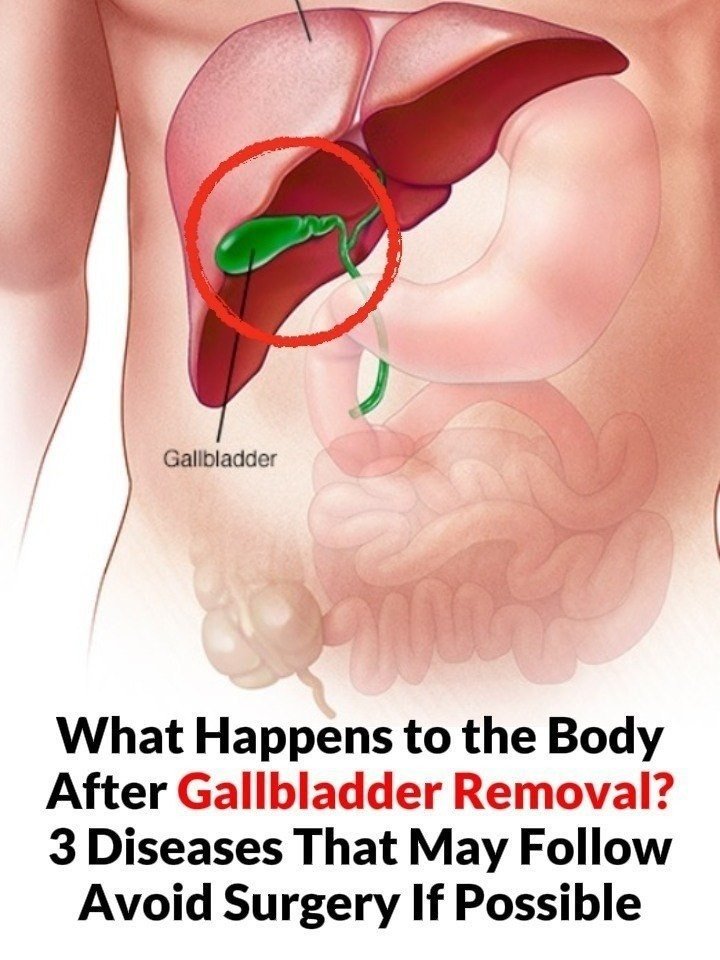
After Gallbladder Removal: What You Should Really Know About Risks and Long-Term Effects
Introduction
Headlines like “3 conditions you could develop after gallbladder removal” and “avoid surgery when possible” are often misleading. Gallbladder removal is one of the most common surgeries worldwide, and for many people it is medically necessary and life-improving, not something to avoid.
The surgery is called a cholecystectomy, and it is usually performed to treat painful gallstones or complications.
First: Why Gallbladder Removal Is Done
The gallbladder stores bile, which helps digest fat. Problems occur when:
- Gallstones block bile flow
- Inflammation develops (cholecystitis)
- Painful or repeated attacks occur
When symptoms become severe or complications arise, removal is often the safest option.
Can You Live Without a Gallbladder?
Yes. The liver continues producing bile. Instead of being stored, bile flows directly into the intestine.
Most people:
- Digest food normally
- Return to a regular diet after recovery
- Live healthy lives long-term
3 Possible Conditions or Symptoms After Surgery
While most people do well, some may experience changes.
1. Post-Cholecystectomy Diarrhea
Some patients develop frequent or loose stools after surgery.
Why it happens:
- Bile flows continuously into the intestines
- It may irritate the bowel, especially after fatty meals
This condition is usually temporary and improves over time.
2. Bile Reflux or Digestive Discomfort
Without a gallbladder:
- Bile can sometimes flow backward into the stomach
- This may cause nausea, bloating, or indigestion
This is not common in severe form, but mild symptoms can occur in some individuals.
3. Fat Digestion Sensitivity
Some people notice:
- Difficulty digesting very fatty foods
- Bloating after heavy meals
- Need for dietary adjustments
This usually improves as the body adapts.
Important Reality Check
The idea that gallbladder removal should be avoided “when possible” is not medically accurate.
In reality:
- Untreated gallstones can cause infection, severe pain, or pancreatitis
- Delaying necessary surgery can lead to emergencies
- Most patients experience significant relief after surgery
For many, the benefits far outweigh the risks.
Long-Term Outlook
Most people after gallbladder removal:
- Eat a normal diet again
- Have no major long-term complications
- Experience improved quality of life due to pain relief
Only a small percentage develop ongoing digestive symptoms.
When to Follow Up With a Doctor
After surgery, seek medical advice if you experience:
- Persistent diarrhea lasting weeks
- Severe abdominal pain
- Unexplained weight loss
- Ongoing nausea or digestive issues
Conclusion
Gallbladder removal is not a procedure that should generally be “avoided when possible.” It is a standard and often necessary treatment for gallbladder disease.
While some people may experience temporary digestive changes—such as diarrhea or food sensitivity—most recover well and live normal lives.
The more accurate message is:
- Surgery is recommended when medically needed
- Most side effects are manageable and temporary
- Long-term outcomes are usually positive
If you want, I can explain what to eat after gallbladder surgery to reduce symptoms.