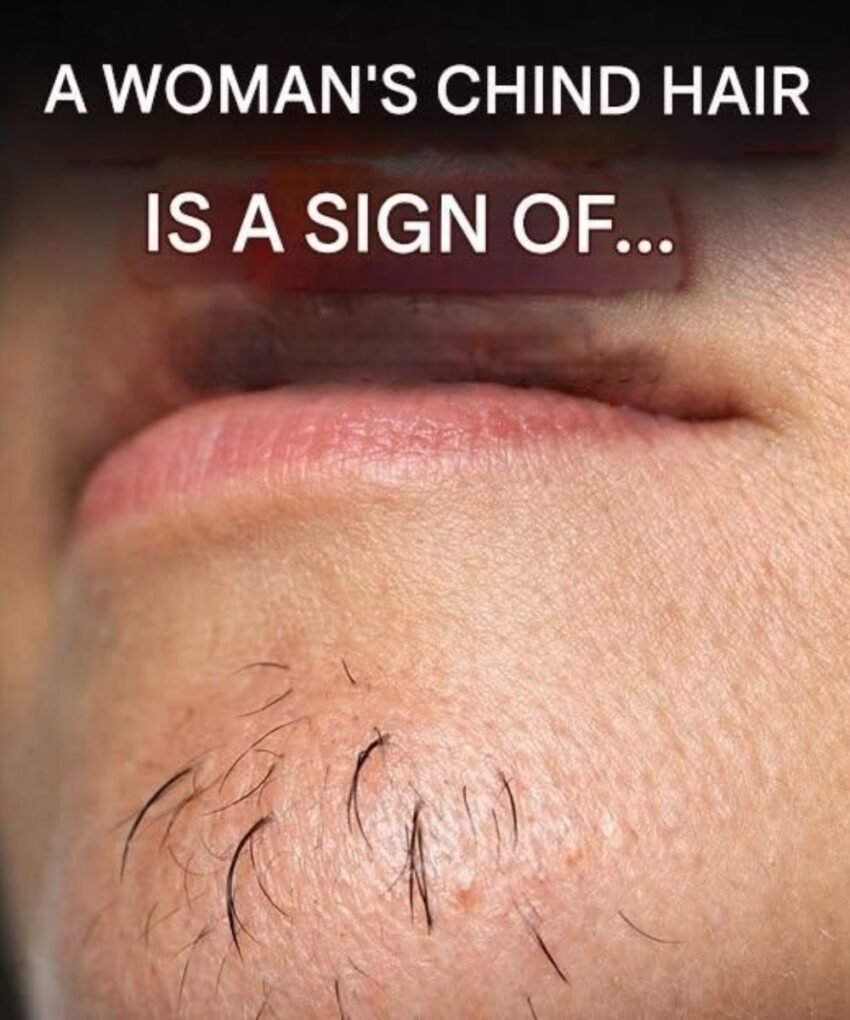
A Woman’s Chin Hair: What It Can Indicate
Introduction
Short, attention-grabbing claims like “a woman’s chin hair is a sign of…” often leave out important context. In reality, chin hair in women is quite common and usually harmless. However, in some cases, it can reflect underlying hormonal or medical factors.
Normal and Common Causes
For many women, a few chin hairs are completely normal.
1. Hormonal Changes with Age
- As women age—especially after menopause—estrogen levels decrease while androgens (male hormones) become relatively more noticeable
- This can lead to coarser facial hair, including on the chin
2. Genetics
- Some women naturally have more visible facial hair
- This is especially common in certain ethnic backgrounds
When It May Signal a Medical Condition
If chin hair becomes sudden, excessive, or thick, it may be linked to a condition called Hirsutism.
Common causes include:
1. Polycystic Ovary Syndrome (PCOS)
- A hormonal disorder that increases androgen levels
- Often includes symptoms like irregular periods, acne, and weight gain
- Linked to Polycystic Ovary Syndrome
2. Hormonal Imbalance
- Elevated testosterone or other androgens
- Can occur for various reasons, including stress or endocrine issues
3. Adrenal or Ovarian Disorders
- Rare, but can lead to excess hormone production
Other Contributing Factors
- Certain medications (e.g., steroids or hormone therapies)
- Weight changes, which can affect hormone balance
- Insulin resistance, often associated with PCOS
When to Be Concerned
You may want to consult a doctor if:
- Hair growth is rapid or worsening
- It is accompanied by:
- Irregular menstrual cycles
- Deepening voice
- Hair thinning on the scalp
- Severe acne
These could indicate a more significant hormonal issue.
Management and Treatment Options
Depending on the cause, options may include:
- Hair removal methods (tweezing, waxing, laser)
- Hormonal treatments (if medically indicated)
- Lifestyle changes to improve hormone balance
Important Reality Check
- A few chin hairs are completely normal
- It does not automatically mean a health problem
- Only persistent or excessive growth typically needs evaluation
Conclusion
Chin hair in women is usually a natural part of aging or genetics. While it can sometimes signal conditions like Hirsutism or Polycystic Ovary Syndrome, most cases are harmless.
Understanding the difference between normal variation and potential warning signs helps you respond calmly and appropriately rather than relying on misleading headlines.