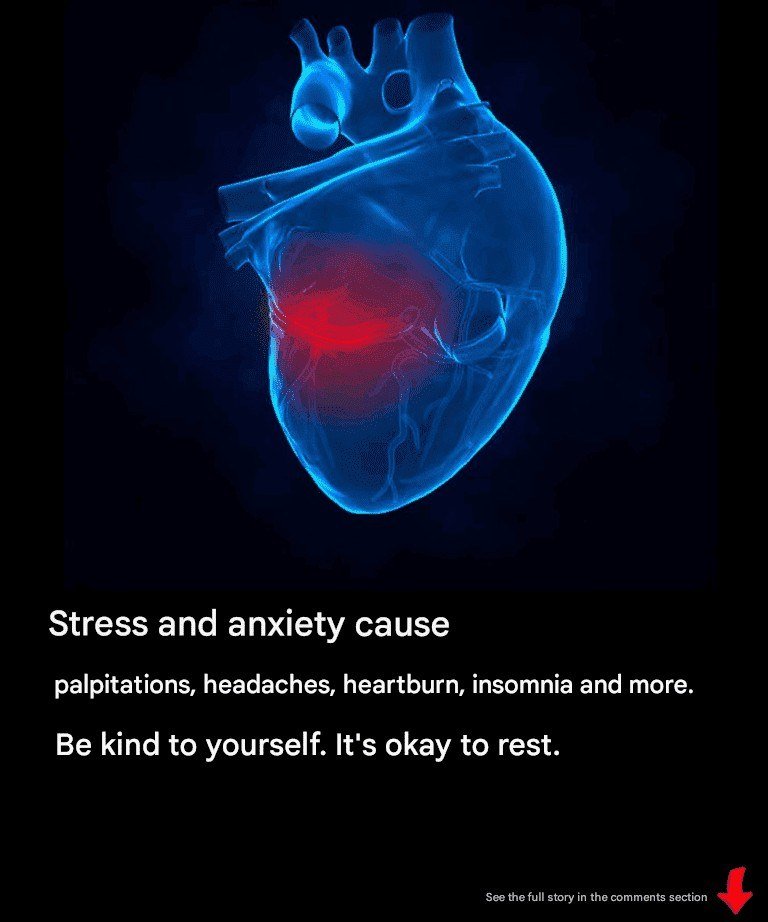
7 Symptoms Caused by Stress and Anxiety (Full Guide)
Stress and anxiety are normal responses to pressure, but when they become frequent or long-lasting, they can affect both the body and mind. Many people don’t realize that physical symptoms are often linked to psychological stress rather than a medical illness.
Below are 7 common symptoms associated with stress and anxiety.
1. Rapid heartbeat or palpitations
Feeling like your heart is racing, pounding, or skipping beats is one of the most common anxiety symptoms.
Why it happens:
Stress activates the “fight or flight” response, releasing adrenaline, which increases heart rate.
2. Muscle tension and body aches
Stress often causes muscles to stay tense for long periods.
Common areas affected:
- Neck
- Shoulders
- Back
- Jaw
This can lead to stiffness, pain, or even headaches.
3. Trouble sleeping
Anxiety can interfere with both falling asleep and staying asleep.
Typical sleep issues:
- Racing thoughts at night
- Light or broken sleep
- Waking up too early
Long-term stress can significantly affect sleep quality.
4. Digestive problems
The gut is highly sensitive to stress.
Possible symptoms:
- Stomach cramps
- Bloating
- Diarrhea or constipation
- Nausea
This is linked to the brain-gut connection.
5. Constant worry or overthinking
A key mental symptom of anxiety is persistent worry that feels hard to control.
It may include:
- Thinking about worst-case scenarios
- Difficulty relaxing
- Replaying situations repeatedly
6. Fatigue or low energy
Even without physical exertion, stress can make you feel exhausted.
Why it happens:
- Poor sleep quality
- Constant mental tension
- Hormonal stress response
7. Shortness of breath or chest tightness
Some people feel like they can’t take a deep breath during anxiety episodes.
Important note:
This is usually caused by rapid breathing (hyperventilation), not a lung disease—but it can feel very alarming.
Related condition
Severe or persistent symptoms may be part of:
Generalized anxiety disorder
This condition involves ongoing anxiety and physical symptoms that interfere with daily life.
When to seek help
You should consider professional support if:
- Symptoms are frequent or worsening
- Anxiety affects work, sleep, or relationships
- You experience panic attacks
- Physical symptoms have no clear medical cause
Bottom line
Stress and anxiety can affect the whole body—not just the mind. Symptoms like heart palpitations, muscle tension, digestive issues, and fatigue are common and real. While occasional stress is normal, persistent symptoms may require support or treatment.
If you want, I can also explain natural ways to reduce anxiety quickly or long-term strategies that actually work according to research.