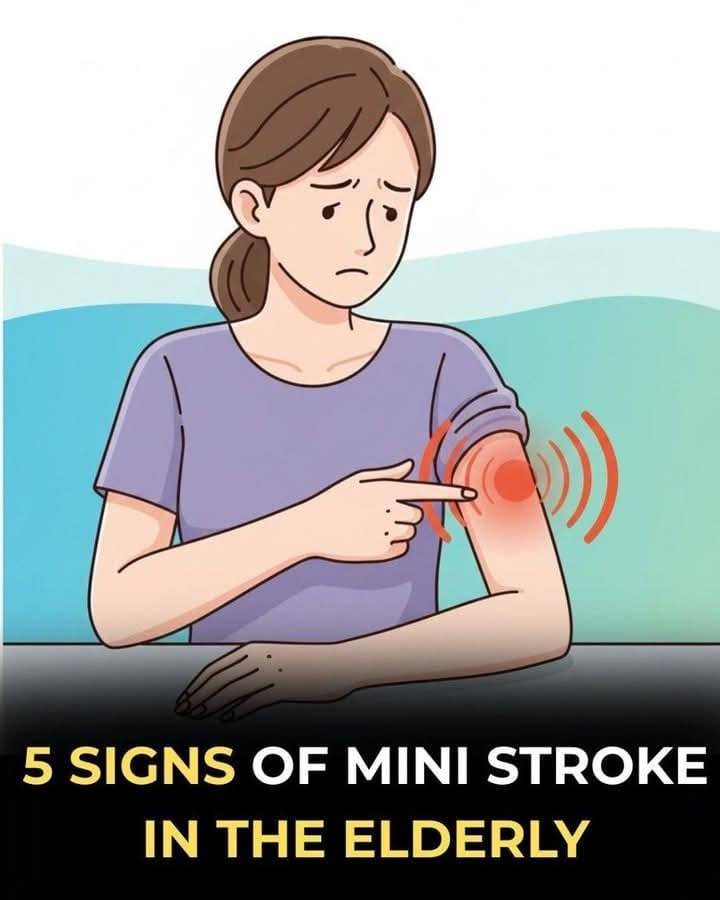
5 Signs of a Mini Stroke in the Elderly: What to Watch For
A mini stroke, also known as a Transient Ischemic Attack (TIA), occurs when there is a temporary blockage in the blood flow to the brain. Though less severe than a full stroke, TIAs should never be ignored, as they can be a warning sign of a more serious stroke in the future. TIAs are particularly concerning in the elderly population, who may not always exhibit obvious symptoms or may misinterpret the warning signs as something else. Recognizing the signs early can save lives and prevent long-term damage.
What is a Mini Stroke (TIA)?
A Transient Ischemic Attack (TIA), or mini stroke, is caused by a temporary reduction in blood flow to the brain, leading to brief neurological symptoms. Unlike a full stroke, the effects of a TIA are short-lived, usually lasting only a few minutes to a few hours. However, the risk of a future stroke is significantly higher after experiencing a TIA.
5 Common Signs of a Mini Stroke in the Elderly
It’s crucial for caregivers and family members to be aware of the signs of a mini stroke in elderly individuals. Below are five key symptoms to watch for:
1. Sudden Weakness or Numbness in the Face, Arm, or Leg
One of the most common signs of a mini stroke is sudden weakness or numbness on one side of the body. In the elderly, this might be mistaken for a sign of fatigue or old age, but it’s important to note if the weakness affects only one side of the body, especially the face, arm, or leg. This can indicate that blood flow to that part of the brain is temporarily blocked.
- What to look for: Drooping on one side of the face, difficulty raising an arm, or an inability to move one leg.
2. Difficulty Speaking or Understanding Speech
A mini stroke can affect areas of the brain responsible for speech and language. Elderly individuals may suddenly have trouble speaking clearly, finding words, or understanding simple instructions. This could appear as slurred speech, confusion, or difficulty following a conversation.
- What to look for: Slurred speech, garbled or incomprehensible words, or the inability to understand simple questions.
3. Blurred or Loss of Vision in One or Both Eyes
Another warning sign of a mini stroke in the elderly is vision changes. A person may experience sudden blurry vision or a complete loss of vision in one eye. These visual disturbances can occur suddenly and might not last long but could indicate a blockage in the blood supply to the parts of the brain responsible for vision.
- What to look for: Vision loss in one eye or difficulty seeing out of one eye, often described as “like a curtain coming down.”
4. Dizziness or Loss of Balance
TIAs can cause dizziness or a loss of balance, which is often accompanied by a sense of unsteadiness or difficulty walking. Elderly people are at higher risk of falling, and dizziness can be especially dangerous if not addressed. This symptom can be subtle, but if it occurs suddenly, it’s essential to consider the possibility of a mini stroke.
- What to look for: Feeling lightheaded, stumbling while walking, or an inability to stand without support.
5. Sudden Severe Headache
While headaches are common, a sudden, severe headache that comes on without warning can sometimes be a sign of a mini stroke. This headache may feel different from usual, with an intensity that is far greater and often occurs in combination with other symptoms like weakness or confusion.
- What to look for: A sudden, intense headache with no obvious cause, often accompanied by dizziness or nausea.
Why Mini Strokes Are Dangerous
Although the symptoms of a mini stroke may resolve on their own within a short period, they should never be dismissed. A TIA is often a warning sign of an impending stroke, which could cause permanent damage. In the elderly, the risk of serious complications is even higher due to existing health conditions such as high blood pressure, diabetes, or heart disease.
What to Do If You Suspect a Mini Stroke
If you suspect that an elderly person is experiencing a mini stroke, act immediately. While the symptoms may be temporary, it’s important to seek medical attention right away. Time is crucial, and early intervention can help reduce the risk of a full stroke. Here’s what to do:
- Call Emergency Services: Even if the symptoms go away, call emergency services immediately. Don’t wait to see if symptoms resolve completely.
- Note the Time: If possible, note the time when symptoms first appeared. This information is crucial for medical professionals to assess the severity and possible treatment options.
- Stay Calm: While waiting for emergency medical personnel to arrive, keep the person calm and avoid any physical exertion.
Conclusion
A mini stroke (TIA) is a serious medical event, particularly in the elderly, that should never be ignored. Recognizing the symptoms early and seeking immediate medical attention can help prevent a major stroke and improve the chances of a full recovery. If you or someone you care for experiences any of the signs of a mini stroke, don’t hesitate to act quickly. Early detection and intervention are key to preventing long-term damage and ensuring the best possible outcome.
Let me know if you need any further information or changes!