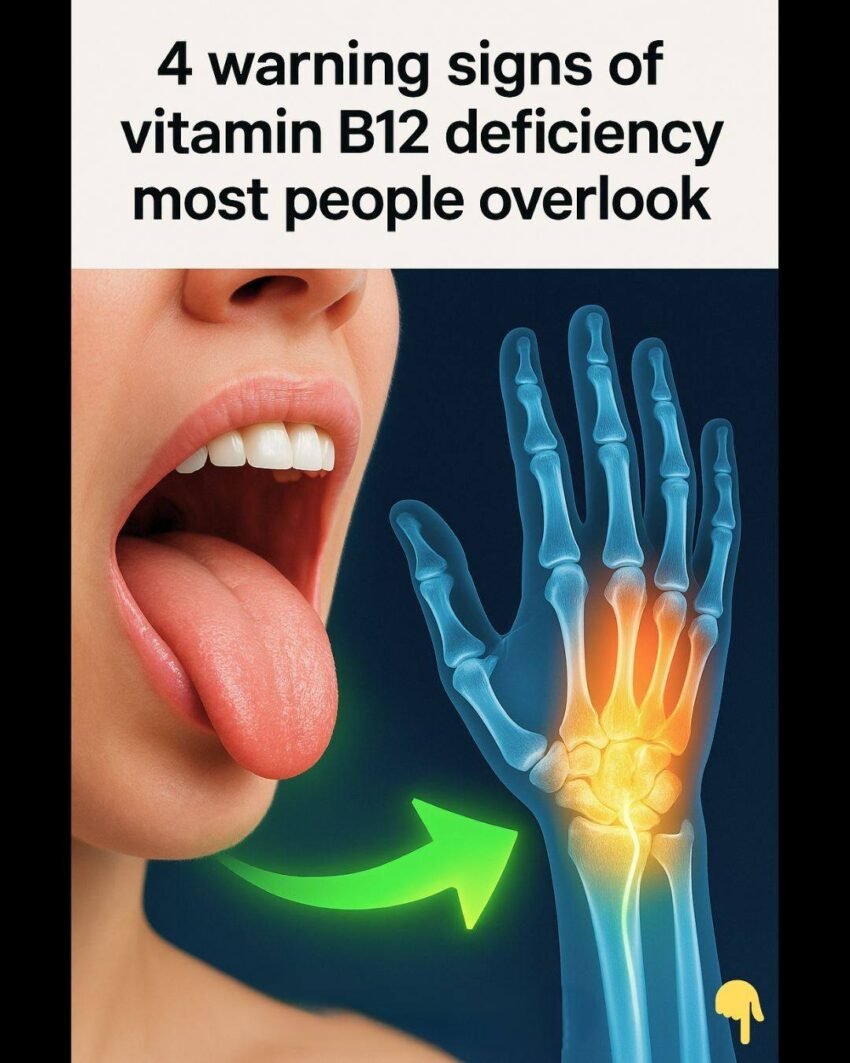
1. Fatigue and Weakness
One of the most common symptoms of vitamin B12 deficiency is extreme fatigue and general weakness. Vitamin B12 is necessary for the production of red blood cells, which carry oxygen throughout the body. Without enough B12, your body struggles to produce sufficient red blood cells, leading to anemia, which results in feeling constantly tired.
- What You Might Feel: If you’re experiencing unexplained fatigue, weakness, or lack of energy despite getting enough rest, it could be a sign of B12 deficiency. Even simple activities may leave you feeling exhausted.
2. Numbness or Tingling in Hands and Feet (Neuropathy)
Vitamin B12 plays a crucial role in maintaining the health of the nervous system. A deficiency can cause nerve damage, leading to pins and needles sensations, numbness, or tingling in the hands, feet, or legs. This condition is known as peripheral neuropathy.
- What You Might Feel: You may experience a sensation of “pins and needles” or numbness, especially when you’re sitting or lying down. This symptom often worsens over time if the deficiency is not addressed.
3. Memory Problems and Difficulty Concentrating (Cognitive Decline)
Vitamin B12 is essential for maintaining healthy brain function. A deficiency can lead to memory problems, difficulty concentrating, and even cognitive decline in severe cases. This can manifest as brain fog, confusion, or feeling like you’re mentally “sluggish.”
- What You Might Feel: If you’re forgetting things more often, finding it difficult to focus, or struggling with mental clarity, this could indicate a B12 deficiency. In some cases, it might even mimic symptoms of Alzheimer’s disease or other types of dementia.
4. Pale or Jaundiced Skin (Yellowing)
When you’re deficient in vitamin B12, your body may not produce enough healthy red blood cells, leading to anemia. This can cause your skin to appear pale or have a yellowish tint (jaundice), especially in the face and the whites of your eyes. Jaundice happens because of the breakdown of red blood cells and the resulting accumulation of bilirubin in the blood.
- What You Might Feel: You may notice a yellowish hue to your skin or eyes, or your skin may look unusually pale, especially if you also feel fatigued or weak. This symptom is often more noticeable in people with fair skin.
Other Symptoms to Watch Out For:
In addition to the four main symptoms listed above, a B12 deficiency can also lead to other troubling signs, including:
- Mood Changes: B12 deficiency can cause symptoms of depression, irritability, and anxiety. It may also contribute to feelings of confusion or paranoia in severe cases.
- Shortness of Breath and Dizziness: These can be related to anemia, as your body isn’t getting enough oxygen due to low red blood cell production.
- Glossitis and Mouth Ulcers: In some cases, a B12 deficiency can lead to swollen, inflamed, and painful tongue (glossitis) or mouth ulcers.
- Vision Problems: Damage to the optic nerve caused by a B12 deficiency can lead to vision problems, including blurry vision or difficulty focusing.
What to Do If You Suspect a B12 Deficiency:
If you’re experiencing any of these symptoms, it’s important to get tested for a vitamin B12 deficiency. A blood test can determine if your levels are too low. Treatment typically involves B12 supplementation, either through oral supplements or, in severe cases, B12 injections. In some cases, dietary changes may be necessary to ensure you’re getting enough B12-rich foods.
- Sources of B12: B12 is found in animal products like meat, poultry, fish, eggs, and dairy. For vegetarians or vegans, B12 is often obtained through fortified foods or supplements.
- B12 Supplements: If you’re at risk of a deficiency, taking a daily B12 supplement may help prevent or treat the issue. The dosage and form (e.g., tablet, liquid, injection) should be discussed with your doctor.
Conclusion:
Vitamin B12 deficiency can lead to a variety of alarming and serious symptoms that should not be ignored. If you experience fatigue, numbness, cognitive issues, or changes in your skin color, it’s important to get a professional evaluation as soon as possible. Early detection and treatment can help prevent long-term complications and improve your quality of life.
If you suspect you might be deficient, don’t wait—contact your healthcare provider to get tested and discuss treatment options.