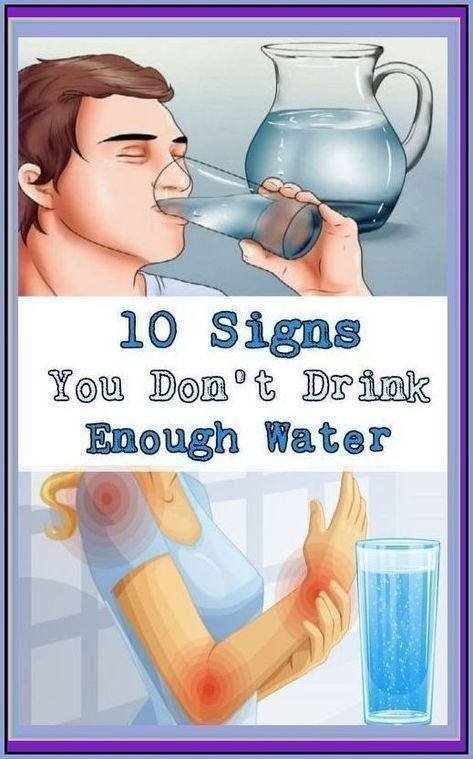
10 Signs You’re Not Drinking Enough Water – Stay Hydrated
Proper hydration is essential for digestion, circulation, temperature control, and brain function. When the body consistently lacks fluids, it shows warning signs that are often ignored or mistaken for other issues.
Here are 10 common signs of dehydration:
1. Dark yellow urine
One of the earliest and most reliable signs of low fluid intake is darker-than-normal urine. Healthy hydration usually produces light yellow urine.
2. Dry mouth and bad breath
Reduced saliva production leads to dryness in the mouth. This can also increase bacteria buildup, causing unpleasant breath.
3. Frequent headaches
Even mild dehydration can affect brain function and blood flow, triggering headaches or a feeling of pressure in the head.
4. Fatigue and low energy
When fluid levels drop, blood volume decreases, making the heart work harder and leading to tiredness and sluggishness.
5. Dizziness or lightheadedness
Low hydration can reduce blood pressure temporarily, especially when standing up quickly, causing dizziness.
6. Dry skin and lips
The skin may feel tight, flaky, or less elastic. Lips often become cracked or chapped.
7. Muscle cramps
Electrolyte imbalance caused by dehydration can lead to cramps or spasms, especially during activity or at night.
8. Constipation
Water helps move food through the digestive system. Without enough fluid, stool becomes harder and more difficult to pass.
9. Reduced sweating or overheating
The body may struggle to regulate temperature properly, increasing the risk of overheating during heat or exercise.
10. Irritability or difficulty concentrating
Even mild dehydration can affect mood, focus, and cognitive performance.
Who is more at risk?
- Older adults (thirst sensation weakens with age)
- People in hot climates or physically active individuals
- Those with illnesses causing fluid loss (fever, diarrhea, vomiting)
- People who drink a lot of caffeine or alcohol
Simple ways to stay hydrated
- Drink water regularly throughout the day, not just when thirsty
- Eat water-rich foods like fruits and vegetables
- Carry a water bottle as a reminder
- Increase intake during heat or exercise
Conclusion
Dehydration can develop gradually and affect both body and mind. Recognizing early signs like dark urine, fatigue, and headaches can help you correct fluid intake before it becomes more serious.