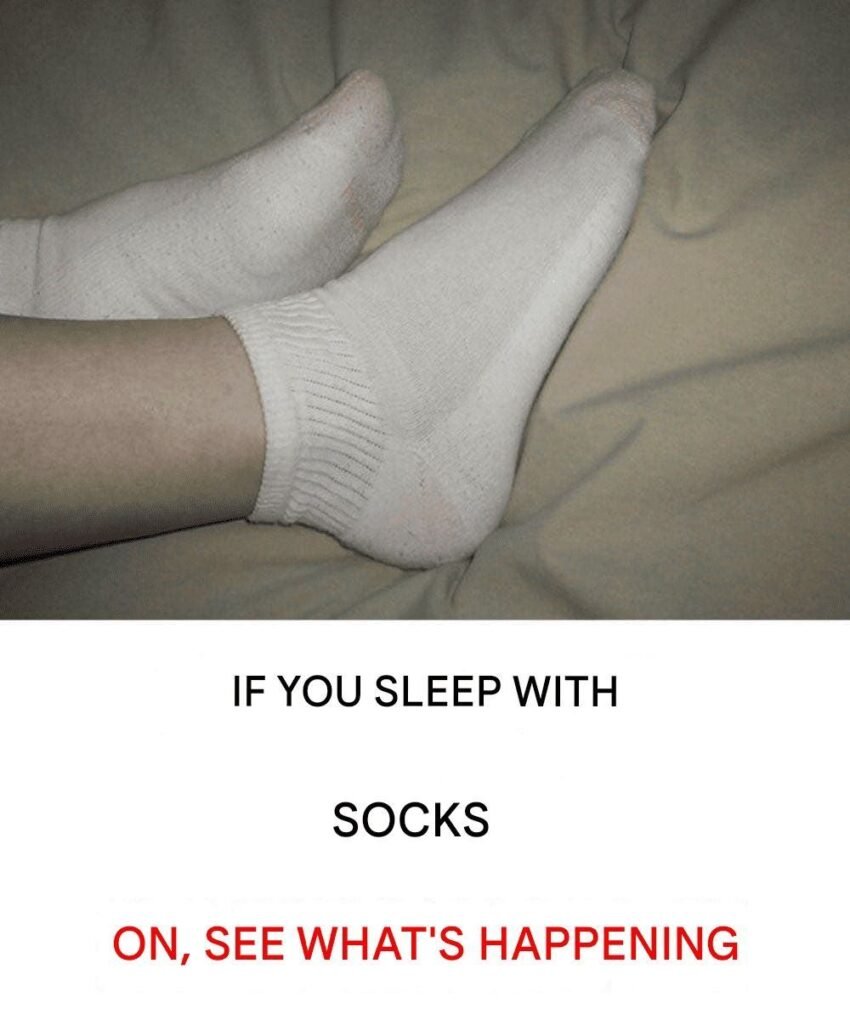
Why Seniors Should Wear Socks Even at Home
Introduction
As people age, changes in circulation, skin sensitivity, and temperature regulation make foot care more important. For many older adults, wearing socks at home is not just about comfort—it can also support safety and health.
1. Improved circulation support
Older adults often experience reduced blood flow to the hands and feet.
Wearing socks helps by:
- keeping feet warm
- reducing constriction from cold-related blood vessel tightening
- improving overall comfort in cooler environments
2. Better temperature regulation
Seniors may not feel temperature changes as accurately.
Socks help:
- prevent unnoticed cold exposure
- maintain stable body temperature
- reduce strain on the cardiovascular system caused by cold stress
3. Reduced risk of slips and falls
Bare feet or smooth slippers can increase the risk of slipping on:
- tile floors
- wooden surfaces
- polished floors
Non-slip socks provide:
- better traction
- improved stability while walking
4. Protection for sensitive skin
With age, skin becomes thinner and more fragile.
Socks help:
- reduce friction from walking on hard surfaces
- prevent minor cuts or abrasions
- protect against dryness and cracking
5. Support for conditions like diabetes
For individuals with diabetes, foot protection is especially important.
Socks can:
- reduce injury risk
- protect against unnoticed cuts or pressure points
- help maintain foot hygiene
6. Comfort for joint or nerve pain
Conditions such as arthritis or neuropathy can make feet more sensitive.
Socks may:
- reduce discomfort from cold surfaces
- provide gentle cushioning
- improve overall comfort during rest
7. Reduced risk of infections
Walking barefoot increases exposure to:
- bacteria
- fungi
- environmental irritants
Socks act as a barrier between the skin and the floor.
8. Better sleep quality (indirect benefit)
Warm feet help regulate body temperature, which can improve sleep onset and quality in some individuals.
Important considerations
- Socks should be clean and changed daily
- Avoid tight socks that restrict circulation
- Choose breathable materials like cotton
- Non-slip soles are helpful for indoor safety
When not to rely only on socks
Socks alone are not enough if:
- there is severe circulation disease
- there are active foot infections
- there is significant swelling requiring medical attention
Conclusion
For many seniors, wearing socks at home is a simple but effective habit that supports warmth, safety, skin protection, and comfort. Choosing the right type of socks can contribute to overall well-being and reduce everyday risks such as slips and foot injuries.