What to Do If You Start Seeing Eye Floaters: An Eye Doctor’s Guide
Seeing small drifting shapes, spots, or threads in your vision is common and often harmless. These are called eye floaters and are usually related to normal changes inside the eye.
Eye floaters occur when tiny clumps form in the vitreous gel inside the eye, casting shadows on the retina.
Most floaters are not dangerous, but some situations require urgent attention.
What Eye Floaters Usually Look Like
People describe floaters as:
- Small dots or specks
- Thread-like strands
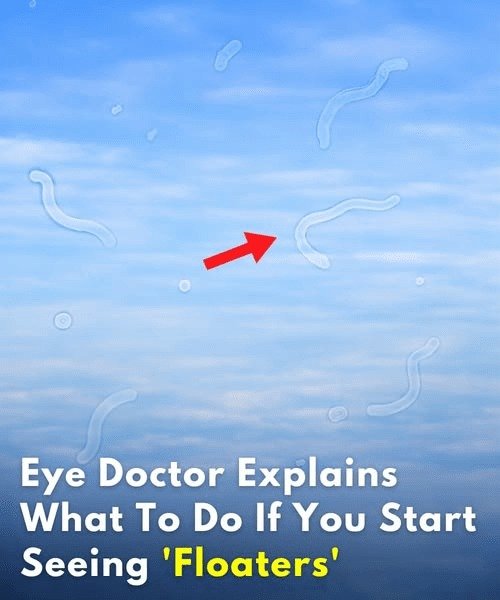
- Cobweb or spiderweb shapes
- Shadows that move when you move your eyes
They often become more noticeable when looking at bright backgrounds, such as a blue sky or white wall.
Common (Usually Harmless) Causes
1. Natural aging changes
As you age, the vitreous gel inside the eye slowly becomes more liquid and forms tiny clumps. This is the most common cause.
2. Posterior vitreous detachment (PVD)
A normal age-related process where the vitreous pulls away from the retina. It can cause a sudden increase in floaters.
3. Nearsightedness (myopia)
People with stronger prescriptions are more likely to notice floaters earlier in life.
What You Should Do First
If you notice new floaters:
1. Stay calm, but take note
- When they started
- Whether they are increasing
- Whether they affect one or both eyes
2. Monitor your vision closely
Check for any changes such as flashes of light or a shadow in vision.
3. Book an eye exam
A dilated eye exam allows an ophthalmologist to check the retina and vitreous.
Warning Signs That Need Urgent Attention
Seek immediate eye care if floaters come with:
- Sudden increase in number of floaters
- Flashes of light
- A dark “curtain” or shadow in vision
- Sudden loss of peripheral vision
These may indicate:
- Retinal tear
- Retinal detachment
- Bleeding inside the eye
These conditions require urgent treatment to protect vision.
Treatment Options
Most floaters do not require treatment and become less noticeable over time.
In rare cases where floaters severely affect vision, options may include:
- Vitrectomy (surgical removal of vitreous gel)
- Laser vitreolysis (breaks up floaters in selected cases)
These are only considered when symptoms are severe.
What Not to Do
- Do not ignore sudden changes in vision
- Do not assume all floaters are harmless without an eye exam
- Do not rely on self-treatment or supplements claiming to “clear floaters”
Conclusion
Most eye floaters are a normal part of aging and are not dangerous. However, a sudden increase in floaters or accompanying visual changes should always be checked promptly to rule out serious retinal problems.
If symptoms are stable and mild, reassurance and routine monitoring are usually all that is needed.