What Is the Normal Blood Pressure for Each Age?
Introduction
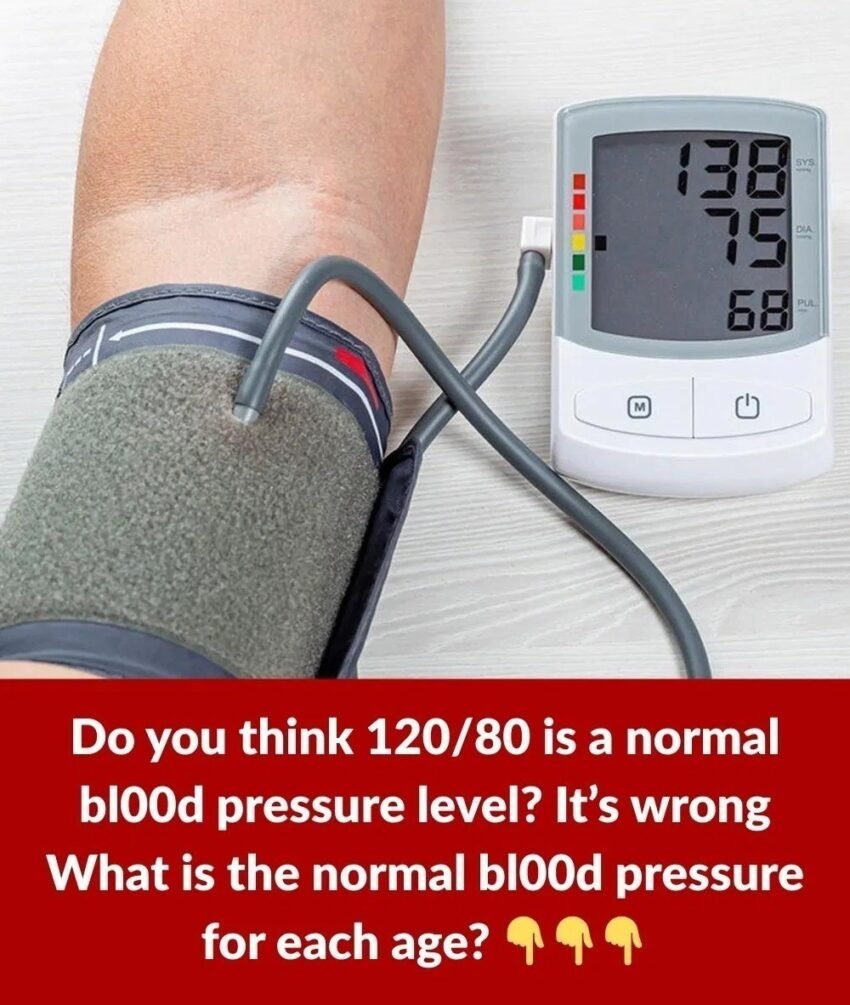
Blood pressure is one of the most important indicators of heart health. It measures how forcefully blood pushes against the walls of your arteries. While people often ask for “normal blood pressure by age,” medical guidelines today focus more on healthy ranges for all adults, rather than drastically different targets for each age group.
Understanding Blood Pressure Readings
A blood pressure reading has two numbers:
- Systolic pressure (top number): Pressure when the heart beats
- Diastolic pressure (bottom number): Pressure when the heart rests
Example: 120/80 mmHg
Standard Blood Pressure Categories (Adults)
According to widely accepted guidelines:
- Normal: Less than 120/80
- Elevated: 120–129 / less than 80
- High Blood Pressure (Hypertension) Stage 1: 130–139 / 80–89
- Stage 2: 140/90 or higher
These categories generally apply to adults of all ages.
Blood Pressure by Age Group
While the “ideal” range stays similar, what is typical can vary slightly with age.
Children (6–12 years)
- Normal varies based on height and sex
- Rough average: 90–110 / 55–75
Teenagers (13–19 years)
- Typical range: 100–120 / 60–80
Adults (20–40 years)
- Ideal: Below 120/80
- Most healthy individuals fall within this range
Adults (40–60 years)
- Slight increases are common
- Aim to stay below 130/80
Older Adults (60+ years)
- Blood vessels become less flexible with age
- Many doctors accept slightly higher systolic values (up to ~130–139) if overall health is stable
However, overly high readings should still be managed carefully.
Why Blood Pressure Changes With Age
Several natural changes occur over time:
- Arteries become stiffer
- Plaque may build up in blood vessels
- The heart works harder to pump blood
These factors can gradually increase blood pressure.
When to Be Concerned
You should pay attention if:
- Readings are consistently 130/80 or higher
- You experience symptoms like headaches, dizziness, or chest pain
- There is a history of heart disease or stroke
High blood pressure often has no symptoms, which is why it’s called a “silent condition.”
Tips to Maintain Healthy Blood Pressure
- Eat a balanced, low-salt diet
- Exercise regularly
- Maintain a healthy weight
- Limit smoking and alcohol
- Manage stress
- Monitor blood pressure regularly
Conclusion
There isn’t a completely different “normal” blood pressure for each age. Instead:
- Below 120/80 is ideal for most adults
- Slight increases can occur with age
- Consistently high readings may indicate Hypertension
The most important step is regular monitoring and early management to protect heart and brain health over time.