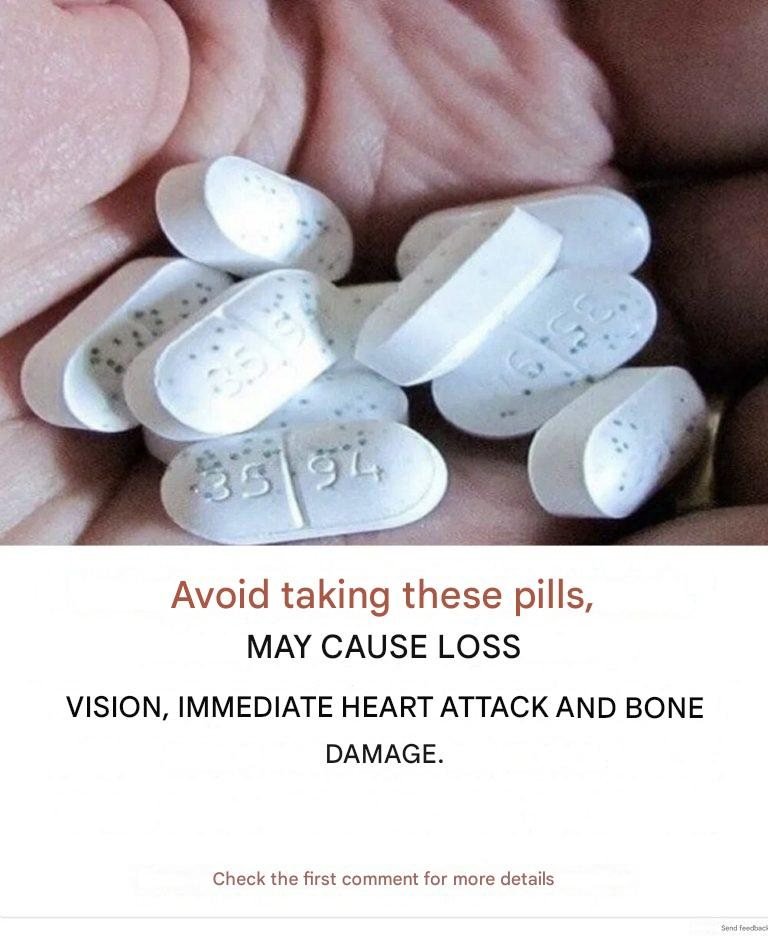
“WARNING! These Tablets Cause Blood Clots…” — What’s True and What’s Misleading
That kind of headline is designed to alarm you—but it leaves out important context. Not all tablets cause blood clots, and some actually do the opposite (they prevent them). The reality is more specific.
First, What Are Blood Clots?
A blood clot forms when blood thickens and sticks together. While clotting is normal after an injury, abnormal clots can block blood flow and lead to:
- Stroke
- Heart attack
- Lung blockage (pulmonary embolism)
These can be life-threatening if untreated
The Types of Tablets People Are Usually Talking About
1. Hormonal Birth Control Pills
This is one of the most well-known medication groups linked to clot risk.
- Pills containing estrogen can increase the chance of clots
- Risk is still low overall, but higher than in non-users
- Smoking, age, and genetics increase the danger
This includes some:
- Combined oral contraceptives
- Hormonal patches
2. Hormone Replacement Therapy (HRT)
Used in older adults, especially women during menopause.
- Can slightly increase risk of blood clots
- Risk depends on dose, type, and personal health
3. Certain Cancer or Treatment Drugs
Some medications used in cancer therapy or after surgery can:
- Increase clot formation
- Require careful monitoring
Cancer itself also raises clot risk significantly
4. The “Opposite” Case: Blood Thinners
This is where many viral posts confuse people.
Drugs like:
- Warfarin
- Apixaban
- Rivaroxaban
are actually prescribed to prevent blood clots, strokes, and heart attacks
However:
- Taking them incorrectly can cause dangerous bleeding, not clots
- Mixing with other substances can create complications
Why These Warnings Go Viral
Posts like this spread because they:
- Use fear-based language (“WARNING!”)
- Don’t name the specific drug
- Ignore dosage, medical history, and context
In reality, risk depends on the individual, not just the tablet.
Who Should Be More Careful
You may have a higher risk of clots if you:
- Smoke
- Are over 35 (especially with hormonal pills)
- Have obesity
- Have a family history of clotting disorders
- Sit for long periods (low mobility)
Warning Signs of a Blood Clot
Seek urgent care if you notice:
- Swelling or pain in one leg
- Sudden chest pain or shortness of breath
- Severe headache or weakness on one side of the body
Final Takeaway
The claim isn’t completely false—but it’s incomplete.
- Some medications (like certain hormone pills) can increase clot risk
- Others (blood thinners) are used to prevent clots
- The real danger comes from misuse, high-risk individuals, or lack of medical guidance
The safest approach is simple:
Never start or stop any medication based on viral warnings—always check with a qualified doctor.