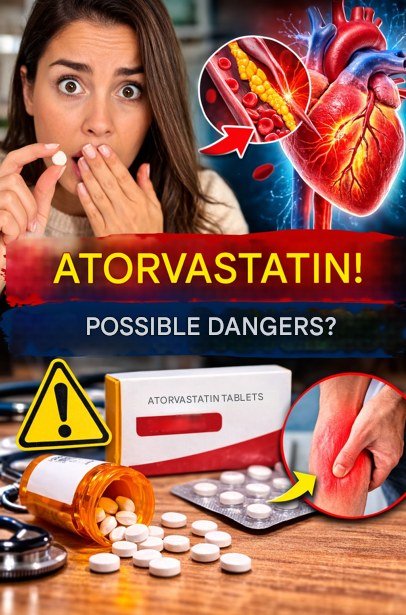
Understanding Atorvastatin Side Effects: What You Need to Know for Better Heart Health Management
Introduction
Atorvastatin is one of the most commonly prescribed medications for lowering LDL (“bad”) cholesterol and reducing the risk of cardiovascular disease. It plays a major role in preventing heart attacks and strokes, but like all medications, it can cause side effects in some people.
Understanding these effects helps you use the medication safely and stay on track with your heart health goals.
How Atorvastatin Works
Atorvastatin belongs to a class of drugs called statins. It works by:
- Reducing cholesterol production in the liver
- Lowering LDL cholesterol
- Helping stabilize plaque in blood vessels
This significantly lowers the risk of heart-related complications over time.
Common Side Effects
These are usually mild and may improve as your body adjusts:
1. Muscle aches or soreness
Some people experience mild muscle discomfort, especially after starting treatment.
2. Digestive issues
- Nausea
- Gas
- Constipation or diarrhea
These symptoms are often temporary.
3. Headache
Mild headaches can occur in the early stages of treatment.
4. Fatigue
Some users report feeling more tired than usual.
Less Common but Important Effects
5. Muscle weakness
Persistent weakness should be reported, especially if it affects daily activity.
6. Liver enzyme changes
Atorvastatin can sometimes affect liver function, which is why doctors may monitor blood tests.
7. Blood sugar changes
Statins may slightly increase blood sugar levels, which is important for people at risk of Type 2 Diabetes.
Rare but Serious Side Effects
8. Severe muscle damage (rhabdomyolysis)
A rare condition called Rhabdomyolysis can occur. It requires immediate medical attention.
Warning signs:
- Severe muscle pain
- Dark-colored urine
- Extreme weakness
Who May Be More Sensitive to Side Effects
Risk may increase in people who:
- Are older
- Take multiple medications
- Have liver or kidney conditions
- Drink alcohol heavily
When to Contact a Doctor
Seek medical advice if you experience:
- Persistent muscle pain or weakness
- Unusual fatigue
- Yellowing of skin or eyes
- Severe or unexplained symptoms
How to Manage Side Effects Safely
- Take medication exactly as prescribed
- Avoid stopping suddenly without medical advice
- Report symptoms early
- Maintain a healthy diet and exercise routine
- Attend regular blood tests if recommended
Conclusion
Atorvastatin is highly effective in reducing cardiovascular risk, but awareness of side effects helps ensure safe use. Most side effects are mild and manageable, while serious complications are rare. With proper monitoring and communication with your healthcare provider, it remains a key tool in protecting long-term heart health.