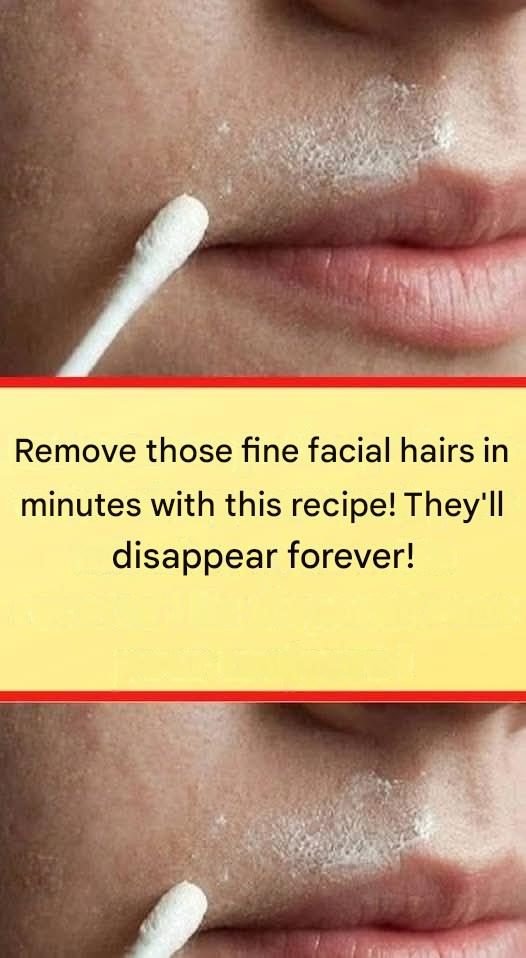
Facial hair growth is controlled mainly by hormones and genetics, not surface treatments or food-based mixtures. This is especially relevant in women, where hormonal variation can affect hair growth patterns over time.
🧠 Why “natural permanent hair removal recipes” don’t work
Facial hair grows from follicles under the skin. To remove it permanently, you would need to damage or disable the follicle itself. That is only achieved through:
- laser hair removal
- electrolysis
- prescription medical treatments in some hormonal cases
Surface mixtures (lemon, turmeric, sugar, oils, etc.) cannot reach or destroy hair follicles.
🌿 What these “natural recipes” usually are
Common viral mixtures include:
- turmeric and milk or water paste
- sugar and lemon “wax”
- papaya and turmeric blends
- oatmeal or flour masks
What they actually do:
- temporarily soften hair
- exfoliate skin
- slightly reduce the appearance of fine hair
What they do NOT do:
- stop hair from growing
- permanently remove follicles
- change hormone-driven hair growth
🧬 The real cause of facial hair growth
In many women, visible facial hair is related to normal or hormonal factors such as:
Polycystic ovary syndrome
This condition can cause:
- increased androgen levels
- chin or upper lip hair growth
- irregular periods
- acne
Other causes include:
- genetics
- aging and menopause
- normal hormone variation
⚠️ Why these viral claims are risky
- They create false expectations of “permanent results”
- They may delay proper medical evaluation
- Repeated use of harsh mixtures can irritate skin
✔️ What actually works for long-term removal
If permanent reduction is the goal:
- laser hair removal (reduces growth long-term)
- electrolysis (permanent follicle destruction)
- hormonal treatment if medically indicated
✔️ Bottom line
- No natural paste or drink permanently removes facial hair
- At-home remedies may temporarily reduce appearance but do not stop growth
- Persistent or sudden hair growth may be worth checking for hormonal causes
If you want, tell me your situation (light hair, coarse hair, hormonal concerns), and I can suggest safe and realistic options for reducing it long-term.