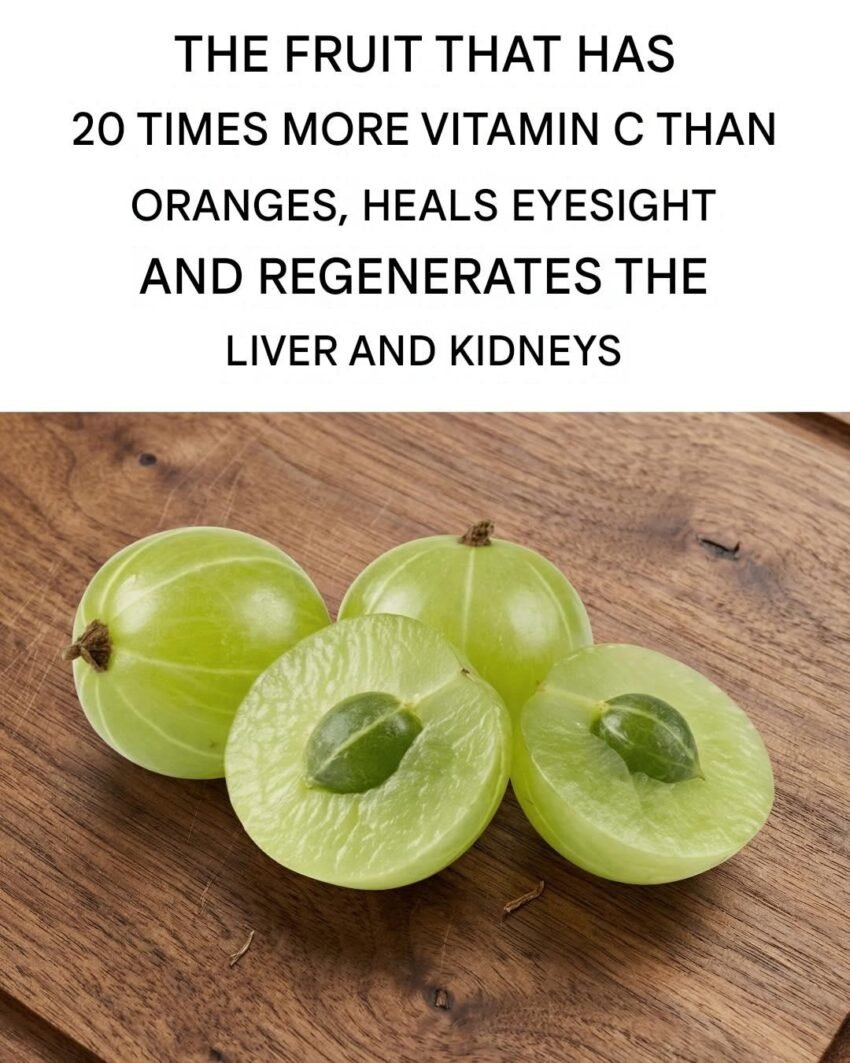
The “20× More Vitamin C Than Oranges” Fruit Claim — What’s True?
Introduction
Headlines claiming a single fruit can provide “20 times more vitamin C than oranges” and “heal eyesight, liver, and kidneys” are very common online. These statements usually mix a real nutritional fact with exaggerated or unsupported health promises.
Let’s break it down clearly and factually.
The Fruit Often Referenced
The fruit most commonly behind this claim is the Acerola cherry (also called Barbados cherry).
Vitamin C Content
- Oranges contain about 50–60 mg of vitamin C per 100 g
- Acerola cherry can contain up to 1,500–2,000 mg per 100 g
That means:
- Yes, it can have far more vitamin C than oranges (often 20–30× higher depending on ripeness and variety)
So this part of the claim is mostly accurate.
What Vitamin C Actually Does
Vitamin C is important for:
- Immune system function
- Collagen production (skin, blood vessels)
- Antioxidant protection
- Iron absorption
However:
- It does not “regenerate” organs
- It does not cure eye diseases or kidney/liver damage
The Claims That Are NOT Scientifically Supported
“Heals eyesight”
Vitamin C supports eye health in general, but:
- It does not reverse vision loss
- It does not cure cataracts or glaucoma
- Eye diseases require medical treatment
“Regenerates the liver”
The liver can naturally regenerate itself to some extent, but:
- No fruit can “repair” or “regenerate” a damaged liver
- Liver health depends on alcohol intake, infections, fat buildup, and medical conditions
“Regenerates the kidneys”
Similarly:
- Kidneys have limited regenerative ability
- Chronic kidney disease cannot be reversed by any fruit
- Diet can support kidney health but not restore damaged tissue
Why These Claims Spread
These viral posts usually:
- Take one real nutrient fact (high vitamin C)
- Add exaggerated medical promises
- Present traditional or anecdotal ideas as scientific fact
This creates misleading health expectations.
Real Health Benefits of Acerola Cherry
While it doesn’t “heal organs,” it does have benefits:
- Strong antioxidant support
- May help reduce oxidative stress
- Supports immune system function
- Contributes to healthy skin and collagen formation
Important Reality Check
- No single fruit “cures” or “regenerates” organs
- High vitamin C foods support health, not miracle healing
- Organ health depends on overall lifestyle, genetics, and medical care
Conclusion
The Acerola cherry is indeed one of the richest natural sources of vitamin C and can contain significantly more than oranges. However, claims that it heals eyesight or regenerates the liver and kidneys are not supported by medical evidence.
A better way to think of it is:
- It is a nutrient-rich fruit that supports health, not a cure-all medicine.
If you want, I can list other fruits that are genuinely high in vitamin C and explain their real benefits too.