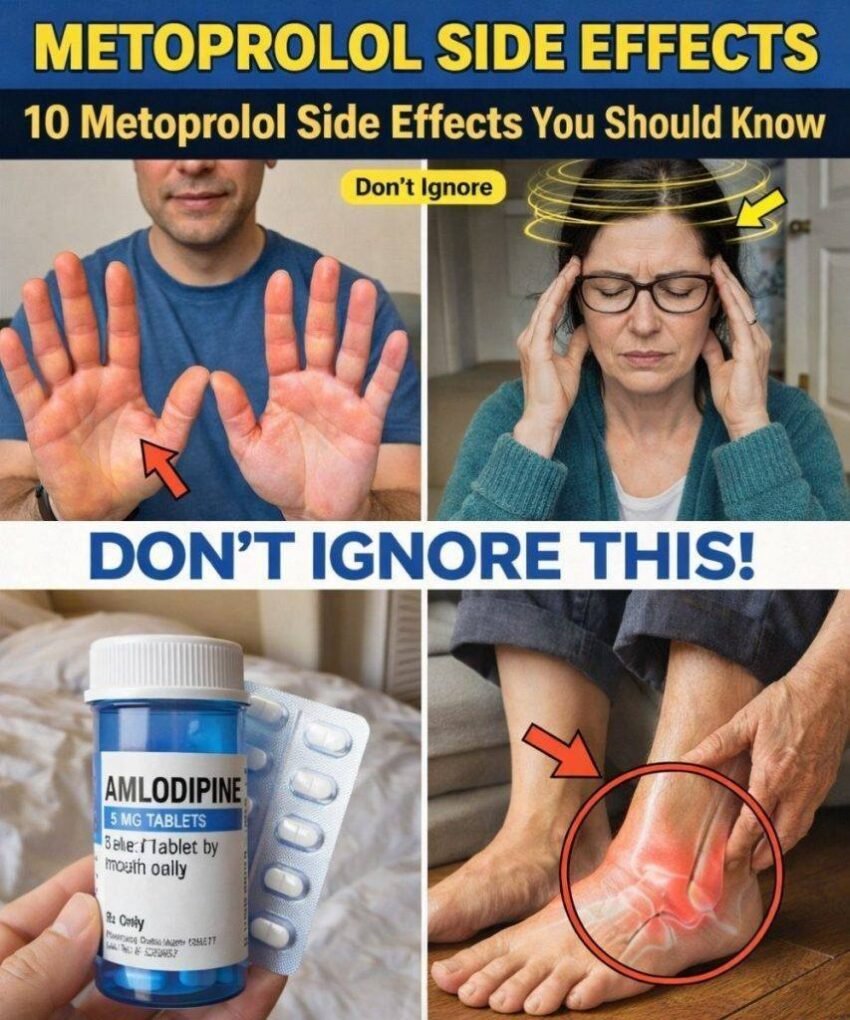
Metoprolol Side Effects: What You Should Really Know
metoprolol is a commonly prescribed beta-blocker used to treat high blood pressure, chest pain (angina), heart rhythm problems, and to protect the heart after a heart attack.Despite dramatic online headlines like “side effects your doctor is praying you don’t discover,” the reality is more balanced: most people tolerate metoprolol well, and serious side effects are uncommon when it is properly prescribed and monitored.
Common Side Effects (Usually Mild)
These are the most frequently reported:
- Tiredness or fatigue
- Dizziness, especially when standing up quickly
- Slow heart rate
- Cold hands and feet
- Mild nausea
- Sleep disturbances or vivid dreams
These often improve as the body adjusts.
1. Low heart rate (bradycardia)
Metoprolol slows the heart to reduce workload. In some people it may slow it too much, causing:
- Weakness
- Lightheadedness
- Feeling faint
2. Low blood pressure
This may lead to:
- Dizziness
- Blurred vision
- Fatigue
It is more likely when starting treatment or increasing dose.
3. Fatigue and low energy
Because it reduces heart workload, some people feel:
- Less stamina
- General tiredness
- Slower physical performance
4. Cold extremities
Reduced circulation can cause:
- Cold hands and feet
- Tingling sensation
5. Sleep changes
Some users report:
- Insomnia
- Vivid dreams
- Light sleep
6. Shortness of breath (rare but important)
In people with asthma or lung disease, beta-blockers may:
- Worsen breathing
- Trigger wheezing
This is why doctors choose doses carefully.
7. Mood changes
Less common but possible:
- Low mood
- Depression-like symptoms
- Reduced motivation
8. Sexual side effects
Some people may experience:
- Reduced libido
- Erectile dysfunction
9. Weight changes
Occasionally:
- Slight weight gain
- Fluid retention (rare)
10. Blood sugar masking
Metoprolol may hide symptoms of low blood sugar (important in diabetes), such as:
- Fast heartbeat warning signs being less noticeable
Serious but rare side effects
Seek medical help if you experience:
- Severe shortness of breath
- Very slow heart rate
- Fainting
- Swelling of face or severe allergic reaction
Important perspective
Metoprolol is widely used because it:
- Reduces risk of heart attack and stroke
- Helps control dangerous heart rhythms
- Improves survival in certain heart conditions
For most patients, the benefits far outweigh the risks.
Final thoughts
Online lists often exaggerate side effects to attract attention. In real medical use, metoprolol is considered safe and effective when taken under medical supervision. Any side effects should be discussed with a healthcare provider rather than stopping the medication abruptly.
If you want, I can also explain:
- Foods and habits that affect metoprolol
- Safe ways to reduce its side effects
- Or who should avoid it entirely