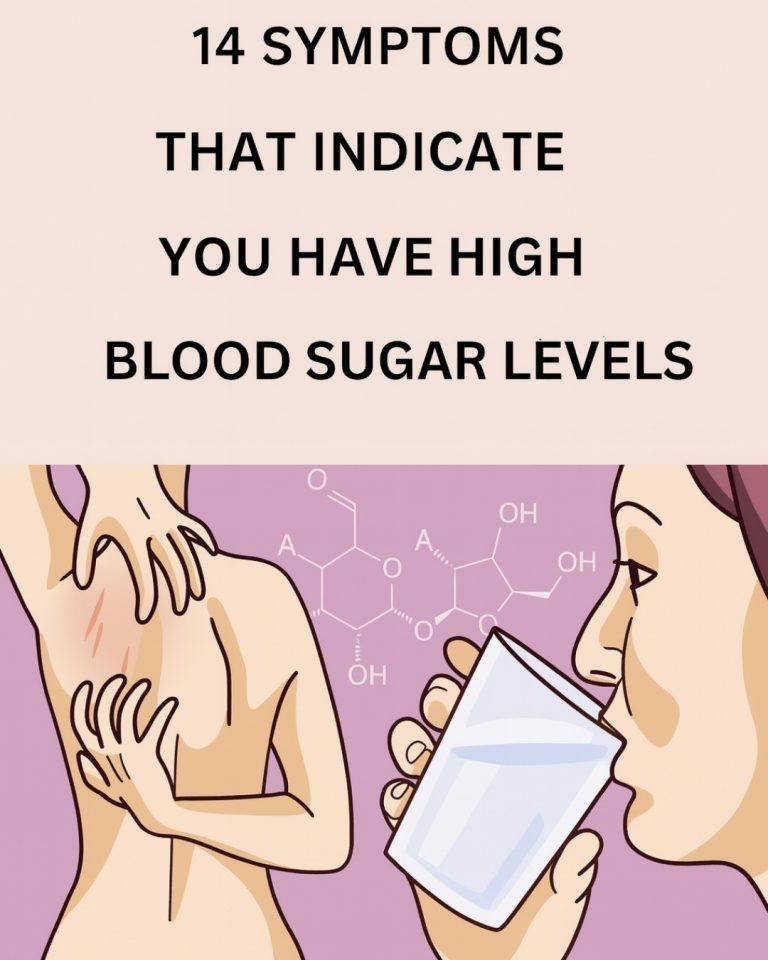
Signs You Have Too Much Blood Sugar
High blood sugar, medically known as Hyperglycemia, can develop gradually or appear suddenly—especially in people with Diabetes. Recognizing the warning signs early can help prevent serious complications.
1. Frequent Urination
One of the earliest and most common signs is needing to urinate more often than usual, especially at night. Excess sugar in the blood pulls fluid from your tissues, increasing urine production.
2. Increased Thirst
As your body loses more fluids, you may feel constantly thirsty—even after drinking plenty of water.
3. Constant Hunger
Despite eating regularly, you may still feel hungry. This happens because your body isn’t effectively using glucose for energy.
4. Fatigue and Weakness
When sugar stays in the bloodstream instead of entering cells, your body lacks the fuel it needs, leading to persistent tiredness.
5. Blurred Vision
High blood sugar can cause swelling in the eye’s lens, leading to temporary vision problems.
6. Headaches
Frequent or unexplained headaches can be a subtle sign of elevated blood sugar levels.
7. Slow-Healing Wounds
Cuts, bruises, or infections that take longer to heal may indicate poor blood sugar control.
8. Tingling or Numbness
Nerve damage from prolonged high blood sugar can cause tingling, especially in the hands and feet.
9. Dry Mouth and Skin
Dehydration caused by excess glucose can leave your mouth and skin feeling unusually dry.
10. Unexplained Weight Loss
In some cases, especially with unmanaged Diabetes, the body starts breaking down fat and muscle for energy, leading to weight loss.
When It Becomes Serious
Severely high blood sugar can lead to dangerous conditions like Diabetic Ketoacidosis, which requires immediate medical attention.
Emergency Symptoms:
- Fruity-smelling breath
- Nausea and vomiting
- Rapid breathing
- Confusion
What You Can Do
- Monitor your blood sugar regularly
- Stay hydrated
- Limit sugary and refined foods
- Follow your prescribed medications
- Stay physically active
Final Thoughts
High blood sugar doesn’t always cause obvious symptoms at first, which is why it often goes unnoticed. Paying attention to these warning signs can help you act early and protect your long-term health.
If you notice several of these symptoms, it’s important to consult a healthcare professional for proper testing and guidance.