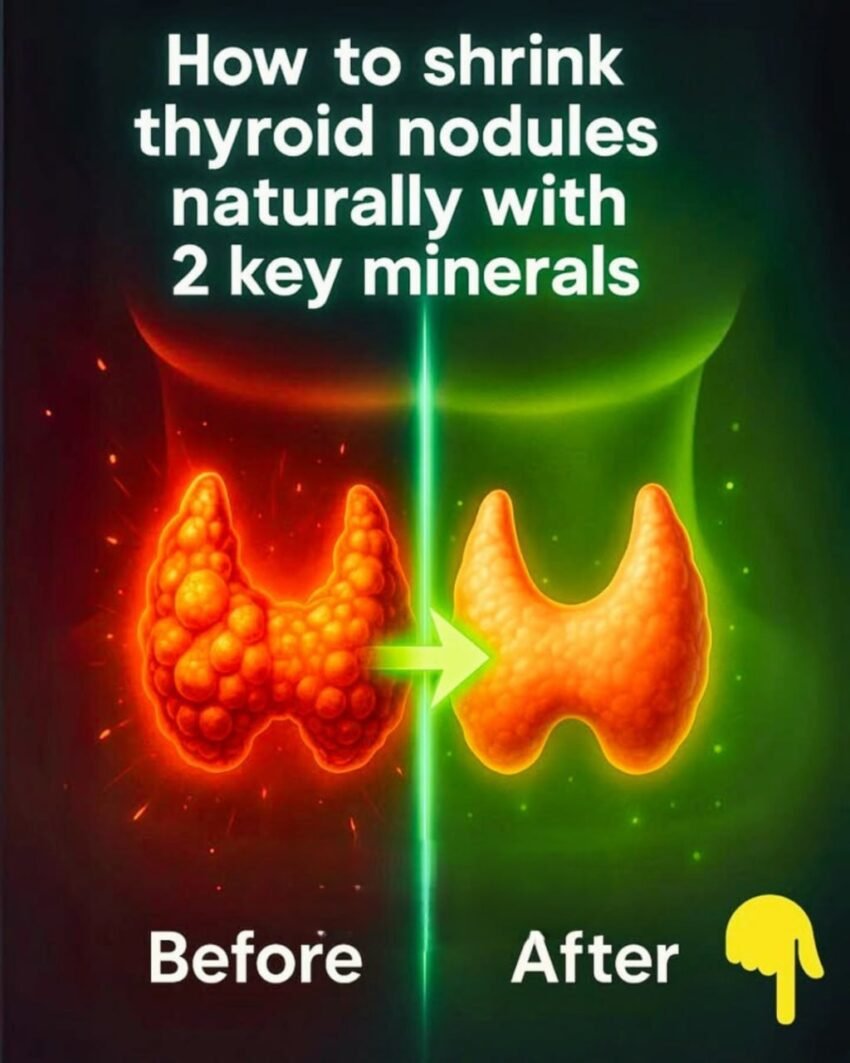
Thyroid Health: Why Minerals Matter More Than You Think
It’s true that most conversations about thyroid problems focus on hormones—but that’s only part of the picture. The thyroid depends heavily on certain nutrients to produce and regulate those hormones properly. When key minerals are missing, the system can struggle even if the gland itself is intact.Two nutrients consistently come up in research and clinical practice when supporting healthy thyroid function: iodine and selenium.
1. Iodine: The Building Block of Thyroid Hormones
Iodine is essential because your thyroid uses it to make its primary hormones (T3 and T4).
Why it matters:
- Without enough iodine, the thyroid cannot produce adequate hormones
- This can contribute to symptoms linked with hypothyroidism, such as fatigue, weight gain, and cold sensitivity
Common sources:
- Iodized salt
- Seafood
- Dairy products
Important caution:
Too little iodine is a problem—but too much can also disrupt thyroid function, especially in people with existing thyroid conditions.
2. Selenium: The Thyroid’s “Activation” Mineral
Selenium plays a different but equally important role. It helps convert the inactive thyroid hormone (T4) into its active form (T3).
Why it matters:
- Supports hormone activation
- Helps protect the thyroid from oxidative stress
- May support people with autoimmune thyroid conditions
Selenium is often discussed in relation to Hashimoto’s thyroiditis, where inflammation affects thyroid function.
Common sources:
- Brazil nuts (very high in selenium)
- Eggs
- Fish
- Whole grains
Why These Two Work Together
- Iodine helps create thyroid hormones
- Selenium helps activate and regulate them
If either is lacking, the thyroid system may not function efficiently—even if the other is sufficient.
The Bigger Picture: It’s Not Just About One Fix
While iodine and selenium are important, thyroid health is influenced by multiple factors:
- Overall diet quality
- Stress levels
- Sleep
- Other nutrients (like zinc and iron)
- Underlying autoimmune conditions
Focusing on just one or two nutrients without considering the full picture can lead to imbalance.
A Word of Caution About Supplements
It’s common to see advice encouraging high-dose iodine or selenium supplements. That approach can backfire.
- Excess iodine may worsen thyroid dysfunction
- Too much selenium can be toxic over time
Testing and medical guidance are important before supplementing—especially if you already have a thyroid condition.
Final Takeaway
Hormones may be the end result, but nutrient status is part of the foundation. Iodine and selenium stand out because they directly support how thyroid hormones are made and used.
The goal isn’t to overload on these minerals—it’s to maintain the right balance, ideally through a well-rounded diet and informed guidance.