Do Foot Symptoms Reveal Hidden Health Problems?
Short answer: sometimes—but not in the simplistic way viral posts suggest. You may have seen claims like “9 foot symptoms that signal a serious disease.” These lists are usually designed to grab attention, not to provide accurate medical guidance. In reality, foot symptoms can offer clues, but they are not a standalone diagnostic tool.
This article breaks down common foot symptoms, what they may indicate, and when they actually matter.
Why the Feet Can Reflect Overall Health
Your feet contain a dense network of nerves, blood vessels, and connective tissues. Because of this, changes in circulation, nerve function, or inflammation elsewhere in the body can show up there first.
However, the same symptom can have many causes. Context—such as age, medical history, lifestyle, and duration—matters more than any checklist.
Common Foot Symptoms and What They May Mean
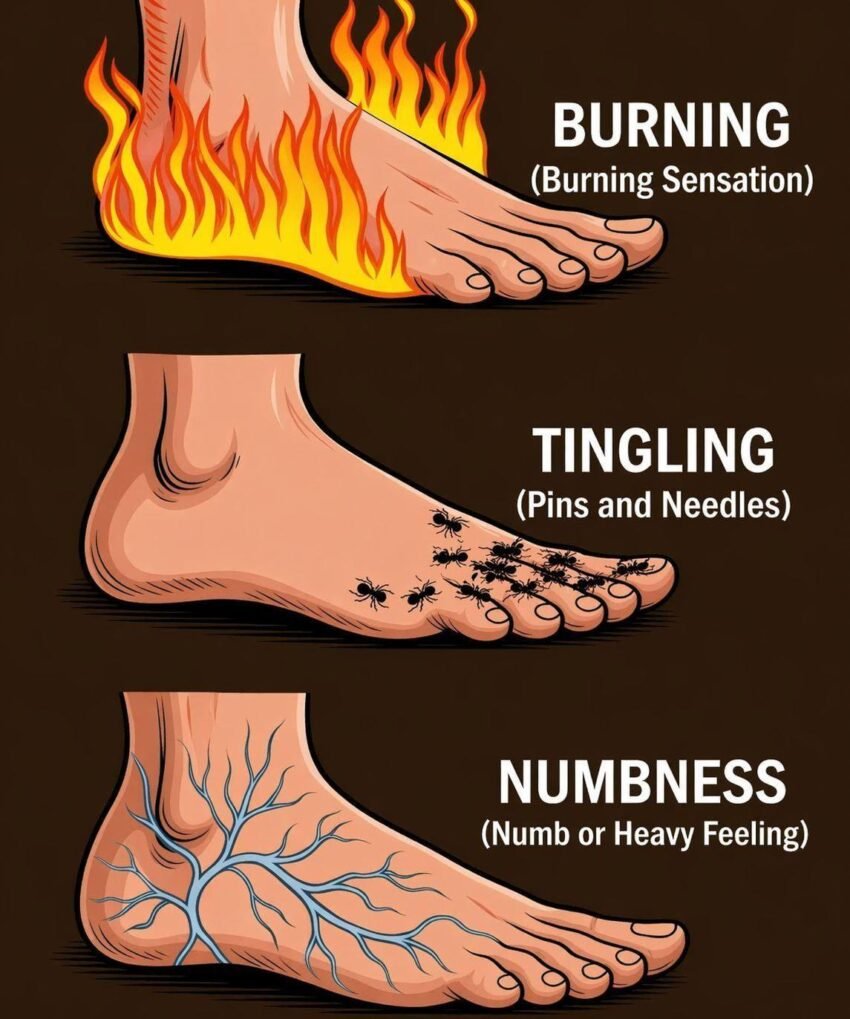
1. Numbness or Tingling
This sensation is often linked to nerve involvement. One common cause is Peripheral neuropathy, which can develop due to conditions like Diabetes, vitamin deficiencies, or alcohol misuse.
Occasional tingling from sitting awkwardly is harmless. Persistent or worsening numbness is not.
2. Swelling (Edema)
Swollen feet can result from standing too long, heat, or high salt intake. But ongoing swelling may indicate fluid retention related to circulation or organ function, including Heart failure or kidney issues.
3. Cold Feet
Feet that feel unusually cold may point to reduced blood flow. One possible cause is Peripheral artery disease, where narrowed arteries limit circulation to the limbs.
4. Heel Pain
A very common complaint, often caused by Plantar fasciitis. This involves inflammation of the tissue connecting the heel to the toes and is usually related to strain or overuse rather than a systemic illness.
5. Changes in Skin Color
Pale, bluish, or reddish tones in the feet can signal circulation or oxygenation issues. Sudden or uneven color changes deserve attention, especially if accompanied by pain.
6. Thickened or Discolored Toenails
This is frequently due to Fungal nail infection. While not usually dangerous, it can be persistent and may spread if untreated.
7. Open Sores or Slow-Healing Wounds
Wounds that do not heal properly are particularly concerning. They are often associated with poor circulation or nerve damage, especially in people with Diabetes.
8. Burning Sensation
A burning feeling in the feet can be another sign of nerve irritation or damage, again commonly linked to Peripheral neuropathy.
9. Persistent Pain or Cramping
Foot pain can result from mechanical issues like poor footwear or overuse. However, frequent cramping may also relate to dehydration, electrolyte imbalance, or circulation problems.
Why “9 Symptoms = One Disease” Is Misleading
Medical diagnosis does not work by counting symptoms from a list. The same symptom can appear in multiple conditions, and many serious illnesses develop without obvious foot signs at all.
Clickbait posts often exaggerate connections or leave out essential context, which can cause unnecessary anxiety or false reassurance.
When You Should Seek Medical Advice
You should consider consulting a healthcare professional if you notice:
- Symptoms that persist or worsen over time
- Loss of sensation or mobility
- Non-healing wounds or ulcers
- Sudden swelling in one foot
- Severe pain without clear cause
These signs require proper evaluation, not online guesswork.
Conclusion
Foot symptoms can provide helpful hints about your health, but they are not definitive on their own. Rather than relying on viral lists, it is more useful to pay attention to changes, patterns, and persistence.
If you are concerned about specific symptoms, a medical professional can evaluate them in the full context of your health.