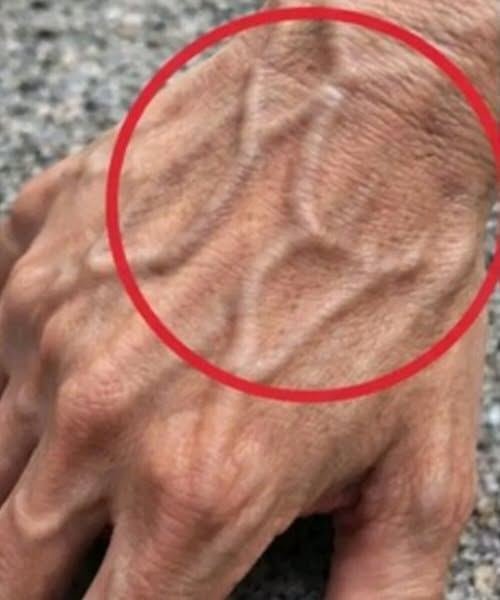
If Someone Has Visible Veins, Does It Mean Their Circulation Is Poor?
No. Visible veins do not automatically mean poor circulation. In many cases, they are completely normal and harmless.Visible veins simply mean the veins are closer to the skin surface or more noticeable due to body and lifestyle factors, not that blood flow is unhealthy.
Why veins become more visible
1. Low body fat
When there is less fat under the skin, veins show more clearly.
This is common in:
- Naturally lean people
- Athletes
- Older adults with age-related fat loss
2. Genetics
Some people are simply born with:
- Thinner skin
- More visible veins
- Stronger superficial vein patterns
3. Heat or temperature
Heat causes veins to expand (dilate), making them more visible:
- Hot weather
- Hot showers
- Exercise
4. Exercise and fitness
During physical activity:
- Blood flow increases
- Veins expand temporarily
- Muscles push veins closer to the skin
This is often seen in fit individuals and is generally a sign of good circulation, not poor circulation.
5. Aging
As skin becomes thinner with age:
- Veins naturally become more visible
- This is a normal aging change
When visible veins may need attention
In some cases, vein changes can be related to medical issues, especially if accompanied by symptoms.
Possible concerns include:
- Pain or heaviness in legs
- Swelling in ankles or feet
- Bulging, twisted veins
- Skin discoloration or ulcers
These may be linked to:
Chronic Venous Insufficiency or varicose veins.
When it is NOT a problem
Visible veins are usually harmless if:
- There is no pain
- No swelling
- No skin changes
- They have been present for a long time
Bottom line
Visible veins are most often a normal variation in body structure, fitness level, skin thickness, or aging—not a sign of poor circulation. Only when other symptoms appear should it be evaluated medically.
If you want, I can explain how to tell the difference between healthy visible veins and varicose vein disease in a simple checklist.