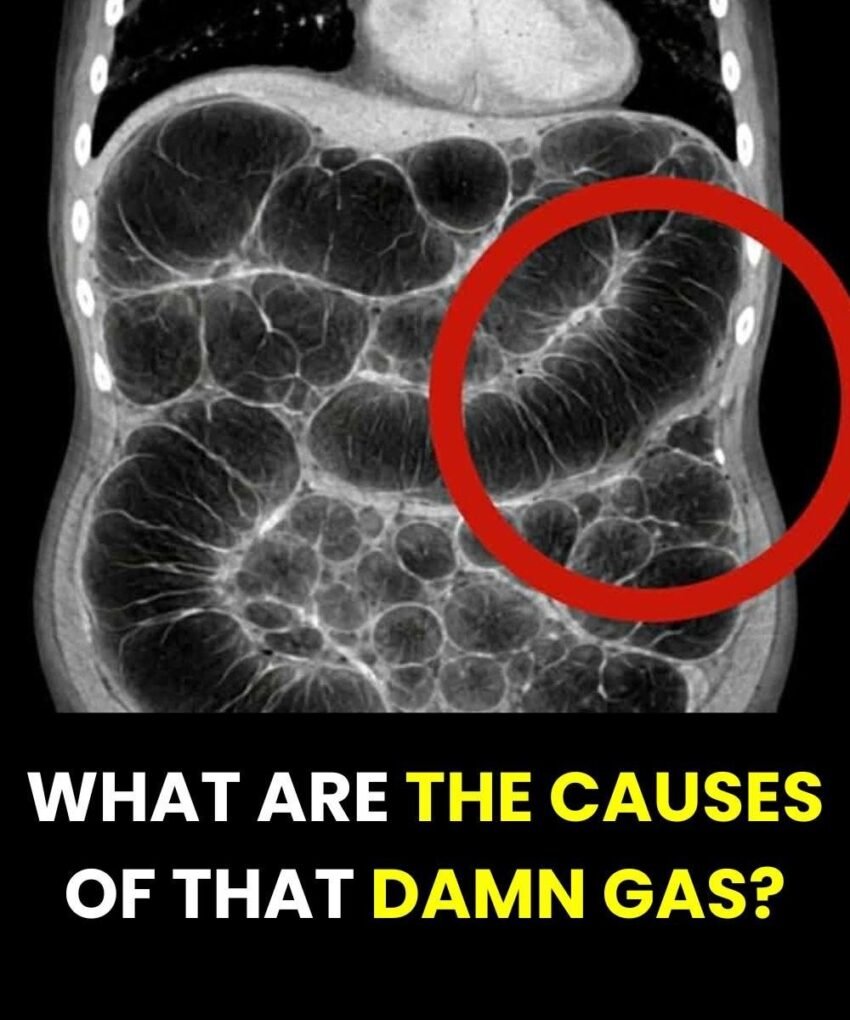
Frequent intestinal gas: real causes that are often not explained clearly
Passing gas is normal. The average person produces gas every day as part of digestion. However, frequent, excessive, or uncomfortable intestinal gas usually has a clear cause—most of them are related to diet, digestion speed, or gut bacteria, not anything “mysterious.”
Here are the real, commonly overlooked reasons.
1. Swallowed air (the most ignored cause)
A large portion of intestinal gas comes from air swallowed during eating or daily habits.
Common triggers:
- Eating too fast
- Talking while eating
- Chewing gum
- Drinking carbonated beverages
- Smoking
This air travels through the digestive tract and exits as gas.
2. High-FODMAP foods (hidden dietary trigger)
Certain carbohydrates are poorly absorbed in the small intestine and ferment in the colon.
Common foods include:
- Beans and lentils
- Onions and garlic
- Wheat products
- Some fruits (apples, pears)
- Dairy (in lactose intolerance)
These foods feed gut bacteria, producing gas as a byproduct.
3. Lactose intolerance
One of the most common hidden causes.
When the body lacks enough lactase enzyme, dairy sugars are not digested properly.
This can cause:
- Gas
- Bloating
- Diarrhea or discomfort
Related condition:
Lactose intolerance
4. Gut bacteria imbalance
Your intestines contain trillions of bacteria that help digest food. When the balance changes, gas production can increase.
Causes include:
- Antibiotic use
- Poor diet
- Low fiber intake
- Gut infections
5. Constipation
When stool moves slowly through the intestines, it allows more fermentation.
Result:
- More gas buildup
- Abdominal bloating
- Discomfort
Related condition:
Constipation
6. Food intolerances (not allergies)
Many people have sensitivities without realizing it.
Examples:
- Gluten sensitivity
- Fructose intolerance
- Artificial sweeteners (sorbitol, xylitol)
These can ferment in the gut and increase gas.
7. Digestive disorders
Sometimes frequent gas is linked to functional gut conditions.
Related condition:
Irritable bowel syndrome
Symptoms may include:
- Gas and bloating
- Abdominal pain
- Irregular bowel habits
8. Eating patterns and lifestyle
Even healthy foods can cause gas if eaten incorrectly.
Factors include:
- Large meals
- Irregular eating times
- Low physical activity
- Stress (affects gut movement)
When gas is normal vs concerning
Normal:
- Mild gas after meals
- No pain
- No major lifestyle disruption
See a doctor if:
- Severe or persistent bloating
- Weight loss
- Blood in stool
- Ongoing abdominal pain
- Sudden change in bowel habits
Bottom line
Frequent intestinal gas is usually caused by diet, swallowing air, food intolerance, or gut bacteria changes, not a single hidden disease. In most cases, it can be improved with dietary adjustments and better eating habits.
If you want, I can also give you a simple “low-gas diet plan” or foods that reduce bloating within a few days.