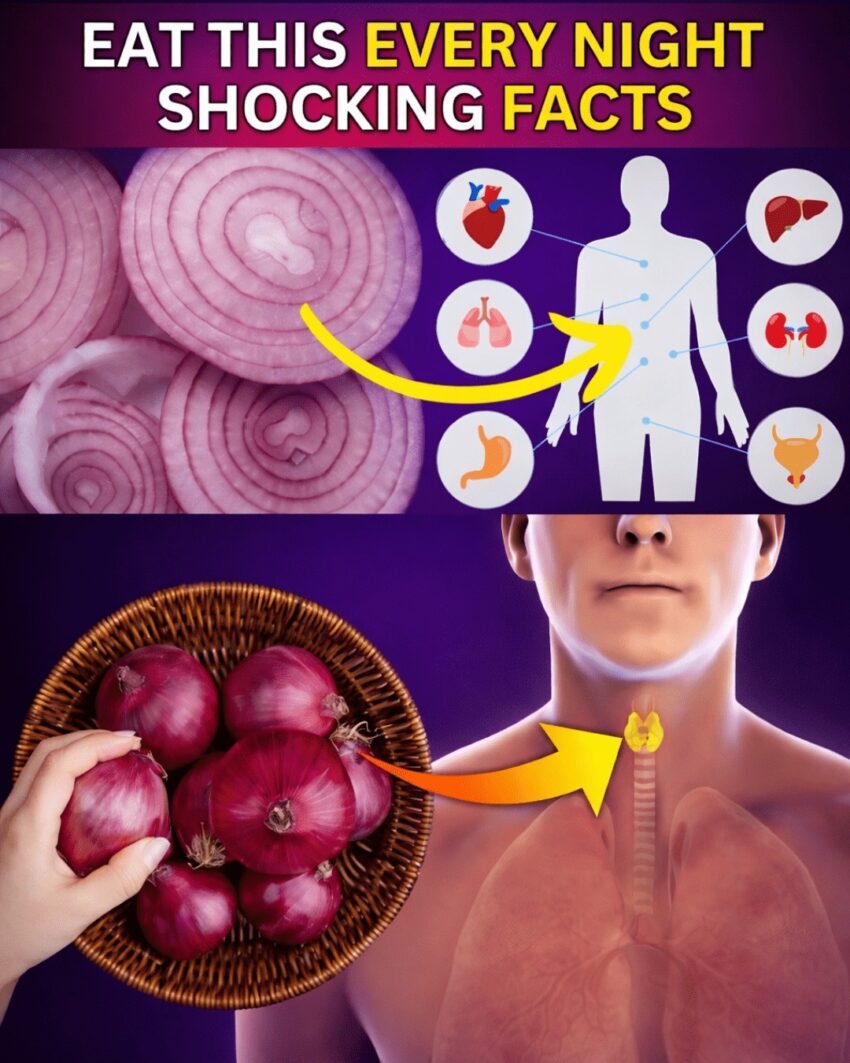
Eat Red Onions Daily and Watch This Happen – What Science Actually Says
Red onions are often promoted in viral health headlines with exaggerated claims. While they are indeed nutritious and beneficial, the effects are gradual and depend on overall diet and lifestyle—not instant or miraculous. Here is a clear, evidence-based look at what happens when you include red onions in your daily diet.
Nutritional Profile of Red Onions
Red onions are low in calories but rich in important compounds:
- Vitamin C (supports immunity and skin health)
- Fiber (aids digestion)
- Antioxidants such as quercetin
- Sulfur compounds (responsible for their strong smell and many health benefits)
These nutrients contribute to long-term health when consumed regularly.
1. Improved Heart Health
Red onions contain quercetin, a powerful antioxidant that may help:
- Reduce blood pressure
- Lower inflammation
- Improve overall cardiovascular health
Regular consumption may support heart function, especially when combined with a balanced diet.
2. Better Blood Sugar Control
Some studies suggest compounds in onions can:
- Improve insulin sensitivity
- Help regulate blood sugar levels
This can be particularly helpful for people managing or at risk of Type 2 Diabetes, although onions alone are not a treatment.
3. Stronger Immune System
Thanks to vitamin C and antioxidants, red onions may:
- Support immune defenses
- Help the body fight infections
- Reduce oxidative stress
However, they should be part of a broader nutrient-rich diet.
4. Anti-Inflammatory Effects
Chronic inflammation is linked to many conditions, including arthritis.
Red onions contain compounds that may:
- Reduce inflammation markers
- Support joint and tissue health over time
5. Improved Digestive Health
The fiber and prebiotics in red onions feed beneficial gut bacteria. This may lead to:
- Better digestion
- Improved nutrient absorption
- A healthier gut microbiome
6. Potential Cancer-Fighting Properties
Red onions contain antioxidants that may help reduce the risk of certain cancers by protecting cells from damage. Research is ongoing, and results are promising but not definitive.
7. Skin and Hair Benefits
Nutrients in red onions may support:
- Collagen production (important for skin elasticity)
- Healthier hair growth
These effects are indirect and develop over time.
How to Add Red Onions to Your Daily Diet
You can include red onions in simple ways:
- Slice them raw into salads or sandwiches
- Add to cooked dishes like curries, soups, or stir-fries
- Mix into yogurt-based sauces or chutneys
- Lightly pickle them for a milder taste
Simple Red Onion Salad Recipe
Ingredients:
- 1 medium red onion (thinly sliced)
- 1 tablespoon lemon juice
- 1 teaspoon olive oil
- A pinch of salt
- Optional: chopped parsley or green chili
Instructions:
- Soak sliced onions in cold water for 5 minutes to reduce sharpness.
- Drain and place in a bowl.
- Add lemon juice, olive oil, and salt.
- Mix well and let sit for a few minutes before serving.
Important Considerations
- Eating too many raw onions may cause stomach discomfort or acid reflux in some people
- They can interact mildly with blood-thinning medications due to their natural compounds
- Moderation is key—one small to medium onion per day is sufficient
Final Thoughts
Red onions are a healthy, affordable addition to your diet and can support heart health, digestion, and immunity over time. However, claims that they produce dramatic or instant results are misleading. Consistency, balance, and overall nutrition matter far more than any single food.