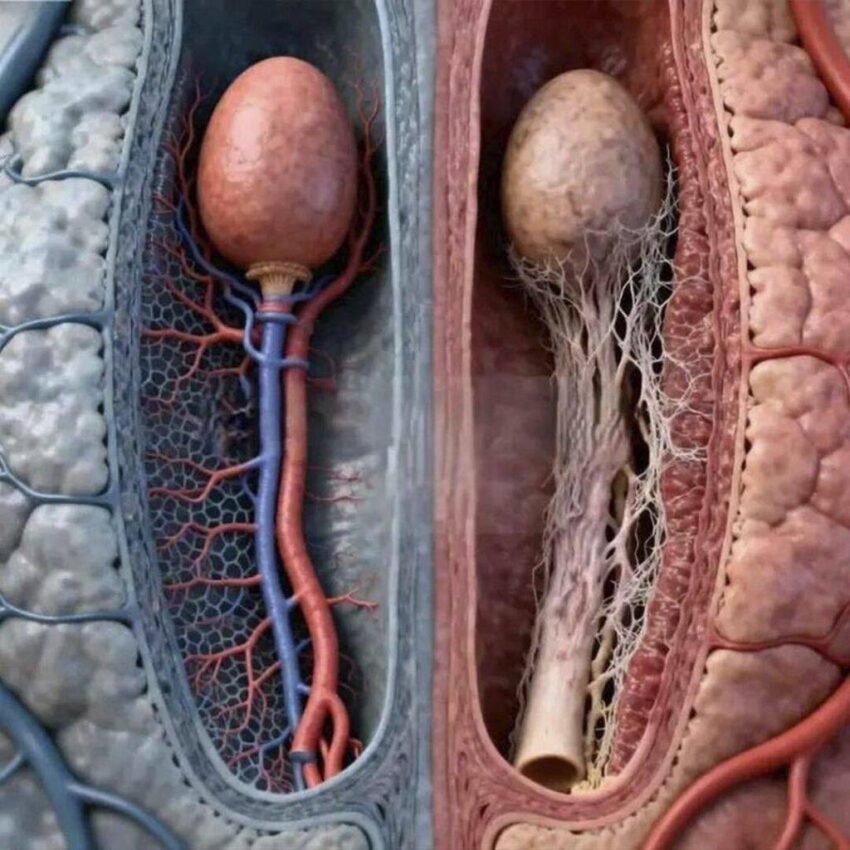
Did You Know? How Aging Affects Men’s Sexual Health
Introduction
Many viral posts begin with attention-grabbing lines like “Did you know that old men have…” and then leave readers with confusion or misinformation. When it comes to men’s sexual health, especially in older age, it’s important to separate myths from medically accurate facts. Aging does bring changes, but these changes are gradual, natural, and often manageable.
Physical Changes with Age
As men grow older, the body undergoes several physiological shifts that can affect sexual function:
- Reduced blood flow: Healthy erections depend on strong circulation. With age, blood vessels may become less efficient, affecting firmness.
- Slower response time: Arousal may take longer, and recovery time after sexual activity often increases.
- Hormonal changes: Levels of testosterone decline gradually over time, which can influence libido and energy levels.
These changes are normal and vary from person to person.
Erectile Function and Common Conditions
One of the most discussed age-related concerns is Erectile Dysfunction. This condition refers to difficulty achieving or maintaining an erection sufficient for sexual activity.
Causes may include:
- Cardiovascular disease
- Diabetes
- Stress or anxiety
- Side effects of medication
It’s important to note that erectile dysfunction is not an inevitable part of aging, but it does become more common.
Changes in Appearance
Some men notice physical differences over time:
- The penis may appear slightly smaller, often due to reduced blood flow or increased fat in the surrounding area.
- Skin elasticity changes, which can subtly alter appearance.
These changes are usually modest and not harmful.
Psychological and Emotional Factors
Sexual health is not only physical. Mental and emotional well-being also play a significant role.
- Confidence and self-image can shift with age
- Stress, depression, or relationship factors may affect performance
- Open communication with a partner often improves outcomes
Maintaining Sexual Health in Later Years
Healthy habits can make a meaningful difference:
- Regular exercise supports circulation
- Balanced diet helps maintain cardiovascular health
- Medical checkups allow early detection of underlying issues
- Adequate sleep supports hormone regulation
In some cases, doctors may recommend treatments or medications depending on individual needs.
Common Myths vs. Reality
Myth: Aging men lose all sexual function
Reality: Many men remain sexually active well into older age
Myth: Physical changes mean something is “wrong”
Reality: Most changes are natural and manageable
Myth: Nothing can be done about sexual decline
Reality: Many effective treatments and lifestyle strategies exist
Conclusion
Attention-grabbing claims online often exaggerate or distort the realities of aging. While men do experience changes in sexual health over time, these changes are typically gradual and influenced by overall health, lifestyle, and medical conditions. Understanding what is normal—and what can be improved—helps replace confusion with confidence and informed decision-making.