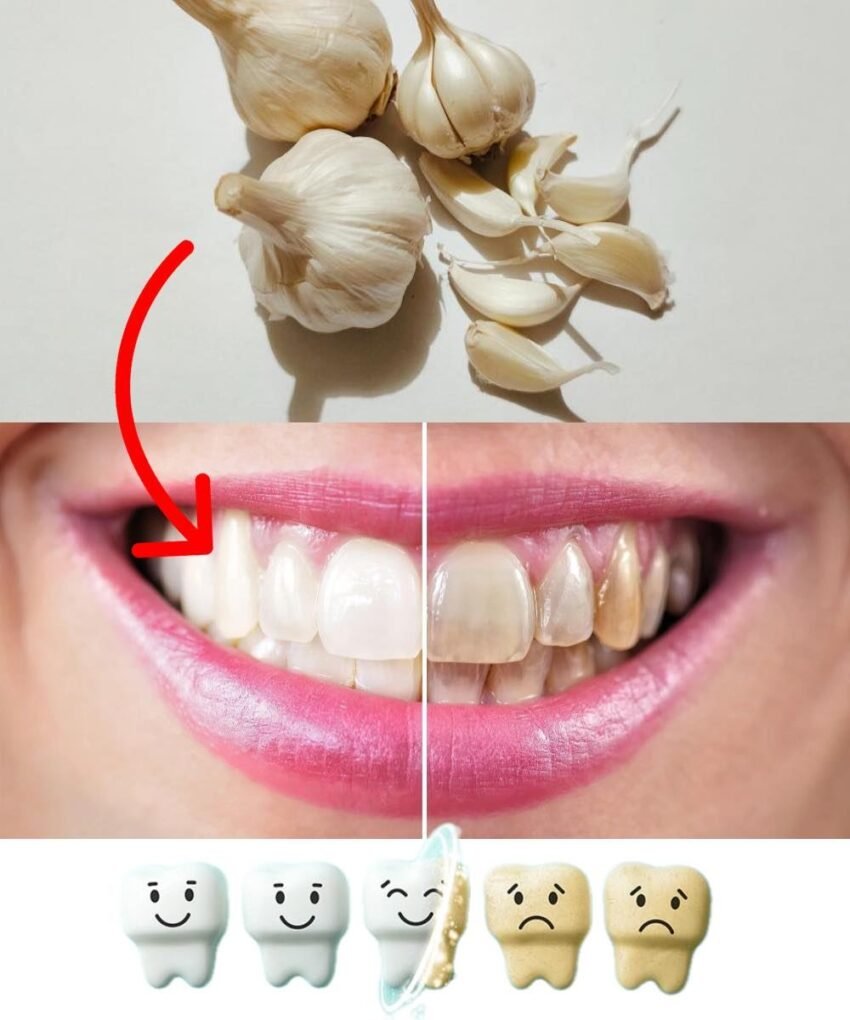
How to Remove Tartar and Whiten Teeth at Home: Safe and Effective Methods
Tartar buildup on teeth is not only unsightly but can also lead to oral health problems like gum disease and cavities. While professional cleanings are the most effective way to remove tartar, there are some safe methods you can try at home to maintain your oral hygiene and even help whiten your teeth. This article will guide you through natural and safe techniques for tartar removal and teeth whitening.
1. Why Tartar Builds Up on Teeth
Tartar (also known as dental calculus) is hardened plaque that forms when bacteria in your mouth mix with food and saliva. Plaque is soft and can be removed with regular brushing and flossing. However, if plaque is not removed, it hardens into tartar. Once tartar forms, it can only be removed by a dentist or dental hygienist using professional tools.
2. How to Prevent Tartar Buildup
The best way to deal with tartar is to prevent it from forming in the first place. Here are some key tips for prevention:
- Brush your teeth at least twice a day: Use fluoride toothpaste and a soft-bristled toothbrush to remove plaque from your teeth.
- Floss daily: Flossing helps remove food particles and plaque between your teeth, where your toothbrush might not reach.
- Use an antibacterial mouthwash: Mouthwash can help reduce bacteria that contribute to plaque formation.
- Avoid sugary foods and drinks: Sugary substances feed plaque-causing bacteria, leading to faster tartar buildup.
3. Safe At-Home Methods for Tartar Removal
While removing tartar entirely at home is not possible without a professional cleaning, there are ways you can reduce buildup and maintain cleaner teeth between visits. Here are a few techniques:
3.1 Baking Soda Scrub
Baking soda is a gentle abrasive that can help remove surface stains and reduce plaque buildup. Here’s how to use it:
Ingredients:
- 1 tablespoon of baking soda
- A few drops of water or lemon juice (optional)
Instructions:
- Mix the baking soda with water or lemon juice to form a paste.
- Dip your toothbrush into the paste and gently brush your teeth for about 2 minutes.
- Rinse thoroughly with water.
Note: Use this method once a week. Overuse can wear down tooth enamel, so it’s important not to make this a daily habit.
3.2 Oil Pulling
Oil pulling is an ancient practice that involves swishing oil around in your mouth to help reduce bacteria and promote oral health. Coconut oil is the most popular choice for oil pulling due to its antimicrobial properties.
Instructions:
- Take a tablespoon of coconut oil.
- Swish it around in your mouth for 10-15 minutes.
- Spit out the oil and rinse your mouth with water.
- Brush your teeth as usual.
While oil pulling won’t remove hardened tartar, it can help reduce plaque and improve overall oral hygiene.
3.3 Apple Cider Vinegar Rinse
Apple cider vinegar (ACV) is often promoted as a natural teeth-whitening agent. While it has mild antibacterial properties, it is acidic and can erode enamel if used too frequently. If you choose to use ACV, follow these precautions:
Instructions:
- Dilute one tablespoon of ACV with a cup of water.
- Swish the solution in your mouth for about 30 seconds.
- Rinse with plain water afterward and brush your teeth.
Note: Limit use to once or twice a week to avoid damaging tooth enamel.
4. Whitening Your Teeth Naturally at Home
If you’re looking to whiten your teeth as well as remove tartar, there are a few natural remedies that can help. Keep in mind that these methods can only help with surface stains and will not change the natural color of your teeth.
4.1 Baking Soda and Hydrogen Peroxide Paste
Hydrogen peroxide has natural bleaching properties and can help whiten teeth when used in combination with baking soda.
Ingredients:
- 1 tablespoon of baking soda
- 1 teaspoon of hydrogen peroxide (3%)
Instructions:
- Mix the baking soda and hydrogen peroxide to form a paste.
- Brush your teeth with the paste for 2 minutes.
- Rinse thoroughly with water.
Use this method once or twice a week for best results.
4.2 Strawberries and Baking Soda
Strawberries contain malic acid, which can help remove surface stains on your teeth. When combined with baking soda, this mixture can help whiten teeth naturally.
Ingredients:
- 1-2 ripe strawberries
- 1 teaspoon of baking soda
Instructions:
- Mash the strawberries into a pulp.
- Mix the pulp with the baking soda to form a paste.
- Apply the paste to your teeth and leave it on for 5 minutes.
- Brush your teeth afterward and rinse thoroughly with water.
This method can help with mild stains, but it’s important not to overuse it, as the acidity of the strawberries can wear down tooth enamel.
5. When to Visit a Dentist
While at-home methods can help with tartar buildup and teeth whitening, they cannot replace professional dental care. You should see a dentist for a cleaning if:
- You notice visible tartar buildup near the gum line.
- Your gums bleed or feel inflamed.
- You experience persistent bad breath or tooth sensitivity.
- You want a more dramatic whitening treatment.
A dentist can also provide advice on the best tools and methods for maintaining your oral health.
Conclusion
While there are several safe and natural ways to maintain a cleaner mouth and whiter teeth at home, it’s important to remember that tartar buildup requires professional treatment for complete removal. Regular brushing, flossing, and visits to your dentist are key to keeping your teeth healthy. By incorporating some of these at-home remedies, you can help reduce plaque and surface stains, but nothing beats the expertise of a dental professional for optimal oral health.