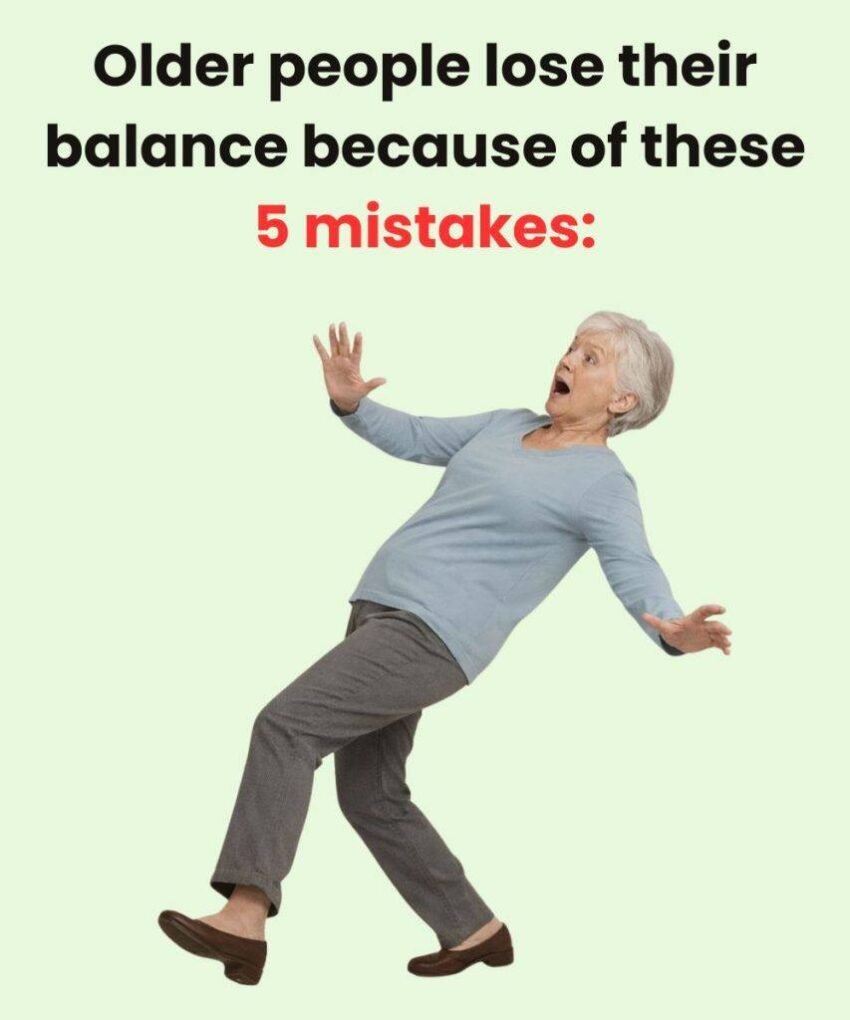
Here are some common mistakes that affect balance in older adults:
1. Ignoring Strength and Flexibility Exercises
One of the biggest mistakes older adults make is not prioritizing strength and flexibility exercises. These exercises are crucial for maintaining the muscles and joints that help with balance.
- Why it matters: Weak muscles, particularly in the legs and core, can lead to poor posture and instability. Flexibility helps with range of motion, reducing the likelihood of sudden movements or stumbles.
- Solution: Incorporate exercises like leg lifts, squats, yoga, and tai chi into your routine to improve muscle strength, flexibility, and coordination.
2. Not Addressing Vision Problems
As we age, vision changes are inevitable. However, many older adults don’t realize how much vision problems—such as cataracts, macular degeneration, or simply poor lighting—can contribute to balance issues.
- Why it matters: Vision is crucial for balance because the eyes provide important information to the brain about where you are in space. If your vision is impaired, it becomes harder to navigate your environment and adjust to obstacles.
- Solution: Get regular eye exams, and address issues like cataracts or glaucoma. Ensure good lighting in your home and avoid glare, which can worsen vision problems.
3. Not Managing Foot Health
Foot problems—like bunions, arthritis, and poor circulation—are common as we age but often go untreated. Ill-fitting shoes or walking on uneven surfaces can throw off your balance.
- Why it matters: Foot pain or deformities can make it hard to walk properly and put extra strain on other parts of the body, affecting overall stability.
- Solution: Make sure you wear properly fitted shoes with good arch support, and seek help for foot problems from a podiatrist if necessary. Regular foot care, such as moisturizing and checking for injuries, is also essential.
4. Skipping Medication Reviews
Certain medications, or combinations of medications, can have side effects that negatively impact balance and coordination. Common culprits include sedatives, blood pressure medications, and diuretics.
- Why it matters: Some medications can cause dizziness, lightheadedness, or weakness, which directly impacts balance. Additionally, certain drugs can interact with others in ways that make these effects worse.
- Solution: Have a healthcare provider regularly review your medications, especially if you notice side effects like dizziness or lightheadedness. Avoid stopping medications without consulting your doctor.
5. Lack of Proper Hydration
Many older adults don’t drink enough water, which can lead to dehydration. Dehydration can cause dizziness, confusion, and weakness—all of which contribute to an increased risk of falling.
- Why it matters: Dehydration affects blood volume, leading to a drop in blood pressure or lightheadedness, which in turn makes it harder to maintain balance.
- Solution: Aim to drink plenty of fluids throughout the day, especially water. Try to limit caffeine and alcohol, which can dehydrate the body.
6. Avoiding Balance-Boosting Activities Due to Fear
Many older adults avoid activities that challenge their balance, such as walking or standing on one foot, because they’re afraid of falling. While this fear is understandable, avoiding balance exercises only makes the problem worse.
- Why it matters: Balance exercises help maintain and even improve stability over time. If you avoid them, you’re not giving your body the opportunity to improve.
- Solution: Start slow and gradually build up. Even simple balance exercises like standing on one leg, heel-to-toe walking, or using a balance board can help.
7. Not Using Assistive Devices When Needed
For some older adults, mobility aids like walkers or canes are essential, but they may not always use them or may use them improperly. This increases the risk of falls.
- Why it matters: Assistive devices are designed to support stability, but if they’re not used properly (or at all), balance can be compromised.
- Solution: If your doctor or physical therapist recommends a mobility aid, use it as directed. Ensure it’s the right type for your needs and that it’s adjusted properly for your height and comfort.
8. Not Creating a Safe Home Environment
A cluttered or poorly maintained home can be a huge hazard for older adults. Tripping hazards—like rugs, electrical cords, or uneven floors—are major contributors to falls.
- Why it matters: A fall in the home is one of the most common causes of injury in older adults. Simply having a clear path through your home and reducing clutter can significantly reduce the risk.
- Solution: Keep your living space tidy and well-lit. Remove tripping hazards, install grab bars in the bathroom, and use non-slip mats in the bathtub or shower.
9. Inadequate Posture Awareness
As people age, poor posture becomes more common, often due to muscle weakness or joint stiffness. Poor posture can affect balance and increase the risk of falls.
- Why it matters: Poor posture shifts the body’s center of gravity, making it harder to stay balanced and upright.
- Solution: Work on posture exercises, such as strengthening your core muscles and keeping your spine aligned. Physical therapy or yoga can be helpful for posture correction.
10. Not Seeking Help Early Enough
Many older adults tend to ignore balance issues in the early stages. They may dismiss dizziness, feeling “off,” or minor falls as part of aging or something they can manage on their own.
- Why it matters: Early intervention is key to preventing more serious falls or injuries. Balance issues may also signal an underlying health condition that can be treated.
- Solution: If you notice any changes in your balance, see a healthcare provider as soon as possible. Balance problems can often be improved with physical therapy or other treatments.
Final Thoughts
Maintaining balance is crucial for independence, and many of the common mistakes that impact balance in older adults are avoidable. By staying proactive about strengthening muscles, improving flexibility, addressing health issues, and creating a safer living environment, older adults can significantly reduce their risk of falls and improve their quality of life.
If you or someone you know is struggling with balance, it’s a good idea to consult a doctor or physical therapist to create a tailored plan for improvement. Let me know if you’d like tips on specific exercises or further details on any of these points!