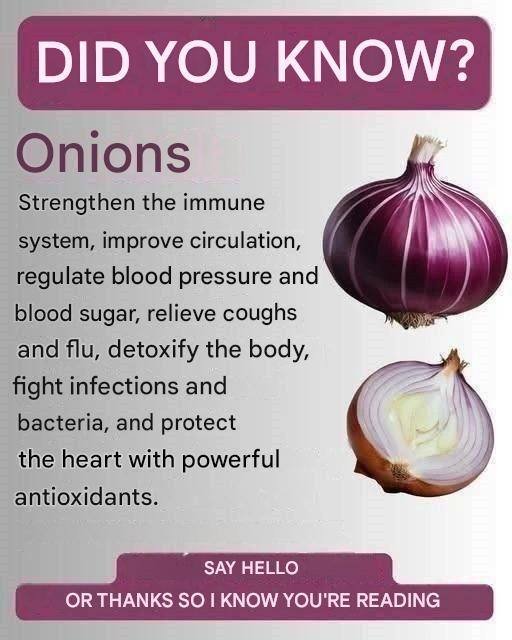
1. Rich in Antioxidants
Onions are loaded with antioxidants, particularly flavonoids like quercetin, which have potent anti-inflammatory and antioxidant properties. These antioxidants help protect your cells from oxidative stress and prevent damage caused by free radicals.
- Benefit: Reduces the risk of chronic diseases, including heart disease and certain cancers.
2. Supports Heart Health
Eating onions regularly can support heart health in several ways:
- Reduces blood pressure: The sulfur compounds in onions, along with antioxidants, can help lower high blood pressure, which is a significant risk factor for heart disease.
- Improves cholesterol levels: Onions may help lower LDL (“bad”) cholesterol and increase HDL (“good”) cholesterol, both of which are important for maintaining cardiovascular health.
- Prevents blood clotting: The natural compounds in onions, like thiosulfinates, act as natural blood thinners, reducing the risk of dangerous blood clots.
- Benefit: Promotes a healthier heart, reduces the risk of heart disease, and improves overall blood circulation.
3. Boosts Immune System
Onions are rich in vitamin C, an essential nutrient that helps strengthen the immune system. The sulfur compounds in onions also have antibacterial and antiviral properties, which may help fight infections and boost the body’s defense mechanisms.
- Benefit: Enhances immune function and helps the body fight off infections.
4. Anti-Inflammatory Properties
Chronic inflammation is linked to numerous health issues, including arthritis, heart disease, and diabetes. Onions contain compounds like quercetin and sulfur, which can help reduce inflammation in the body.
- Benefit: Reduces the risk of chronic inflammatory diseases and alleviates symptoms of conditions like arthritis.
5. Improves Digestive Health
Onions are a good source of prebiotics, particularly inulin, a type of soluble fiber that acts as food for beneficial gut bacteria. Healthy gut flora is important for digestion, nutrient absorption, and overall gut health.
- Benefit: Supports a healthy gut microbiome, improves digestion, and helps with regular bowel movements.
6. May Help Regulate Blood Sugar Levels
Several studies have shown that onions may help lower blood sugar levels, making them beneficial for people with diabetes or those at risk of developing the condition. The sulfur compounds and antioxidants in onions are thought to improve insulin sensitivity.
- Benefit: Helps regulate blood sugar and may reduce the risk of type 2 diabetes.
7. Promotes Healthy Skin and Hair
Onions are rich in vitamin C, sulfur, and other nutrients that are beneficial for skin and hair health. The antioxidants in onions help fight oxidative stress, which can contribute to skin aging. Sulfur also plays a role in collagen production, which is important for skin elasticity.
- Benefit: Improves skin appearance, reduces wrinkles, and promotes healthy hair growth.
8. Aids in Weight Management
Onions are low in calories and high in fiber, which can help you feel fuller for longer and prevent overeating. The fiber also aids in digestion and supports a healthy metabolism.
- Benefit: Helps with weight loss or maintenance by promoting satiety and improving digestion.
9. Supports Bone Health
Onions contain a variety of nutrients, including calcium, phosphorus, and vitamin K, which are all important for bone health. Additionally, some studies suggest that onions may help prevent bone loss by increasing calcium absorption.
- Benefit: Supports strong bones and may reduce the risk of osteoporosis.
10. May Have Anticancer Properties
Some studies suggest that regular onion consumption may help reduce the risk of certain cancers, including colorectal cancer and stomach cancer. The sulfur compounds, antioxidants, and phytochemicals in onions are thought to have protective effects against cancer-causing agents.
- Benefit: May lower the risk of certain types of cancer, especially when consumed regularly as part of a balanced diet.
11. Detoxifies the Body
Onions contain compounds that support the body’s natural detoxification processes. They can stimulate the liver to produce bile, which helps break down fats and flush out toxins. The sulfur compounds in onions also assist in detoxifying the body by promoting liver function.
- Benefit: Helps detoxify the body and support liver health.
12. Helps with Respiratory Health
Onions are traditionally used as a remedy for colds, coughs, and other respiratory issues. The natural anti-inflammatory, antibacterial, and antiviral properties of onions may help clear up congestion, reduce coughing, and soothe sore throats.
- Benefit: Supports respiratory health and can act as a natural remedy for common colds and flu.
How to Include More Onions in Your Diet
- Raw: Add raw onions to salads, sandwiches, or wraps for a crunchy and flavorful boost.
- Cooked: Onions are great for sautéing, roasting, grilling, or adding to soups, stews, and casseroles.
- Pickled: Pickled onions can be a tangy addition to tacos, burgers, or as a side dish.
- Juice: Some people drink onion juice for its health benefits, although it has a strong flavor and may not be suitable for everyone.
Final Thoughts
Onions are not only a delicious addition to many dishes but also a powerhouse of nutrients and health benefits. From improving heart health and digestion to supporting immune function and reducing inflammation, onions offer a wide range of benefits. Whether you enjoy them raw or cooked, making onions a regular part of your diet can contribute to overall health and well-being.