Let’s break it down clearly.
What gallbladder removal actually is
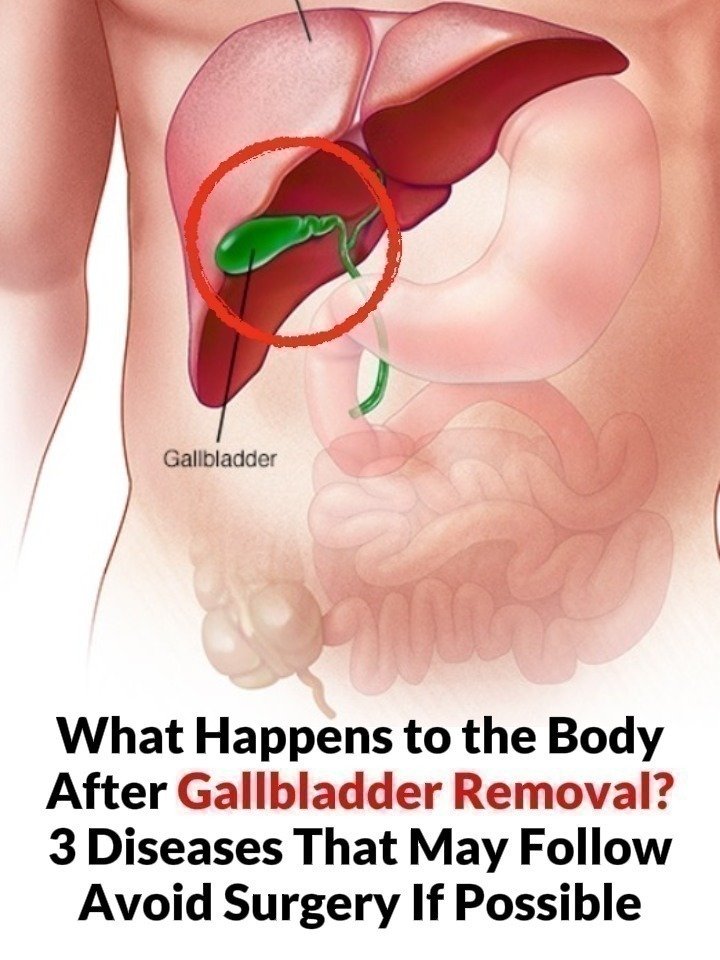
The procedure, called cholecystectomy, removes the gallbladder when it is diseased—most commonly due to gallstones, infection, or blockage.
The gallbladder’s job is to store bile. After removal:
- The liver still produces bile
- Bile flows directly into the intestine
- Digestion continues, usually normally after adjustment
“3 conditions you could develop” — what’s real vs exaggerated
Some articles suggest serious long-term diseases follow surgery. The evidence does not support a simple cause-and-effect relationship. What may occur instead are digestive changes or related symptoms.
1. Post-cholecystectomy symptoms (digestive changes)
Some people experience:
- Loose stools or urgency
- Bloating
- Sensitivity to fatty foods
This is related to continuous bile flow, not a new disease.
2. Bile reflux (rare)
A small number of patients may develop irritation in the stomach or upper digestive tract due to bile flow.
- Can cause nausea or discomfort
- Usually manageable with medication or diet changes
- Not common
3. Functional digestive disorders (association, not cause)
Some studies note that people who had gallbladder disease may continue to have:
- IBS-like symptoms
- Indigestion
But this is often linked to the original condition, not the surgery itself.
What matters more: the risks of NOT having surgery
Avoiding needed gallbladder removal can be far more dangerous if there are ongoing problems, such as:
- Recurrent gallstone attacks (severe pain)
- Infection of the gallbladder
- Blocked bile ducts
- Pancreatitis (a potentially serious condition)
These complications can require emergency treatment.
Why most people do well after surgery
For the majority of patients:
- Symptoms improve after recovery
- Diet returns to normal over time
- No long-term disease develops because of the surgery
- Quality of life often improves significantly
Who may notice more symptoms afterward
Some people are more likely to experience temporary digestive issues:
- Those who eat high-fat diets
- People with pre-existing digestive sensitivity
- Patients with long-standing gallbladder disease before surgery
Even then, symptoms are usually manageable.
Conclusion
The idea that gallbladder removal leads to “3 diseases” is misleading. What some people experience are digestive adjustments, not new chronic illnesses caused by the surgery itself.
Most importantly, surgery is usually recommended because the underlying gallbladder disease is already causing harm. In those cases, removing it reduces risk rather than increases it.
Decisions about surgery should always be based on medical evaluation—not fear-based headlines.