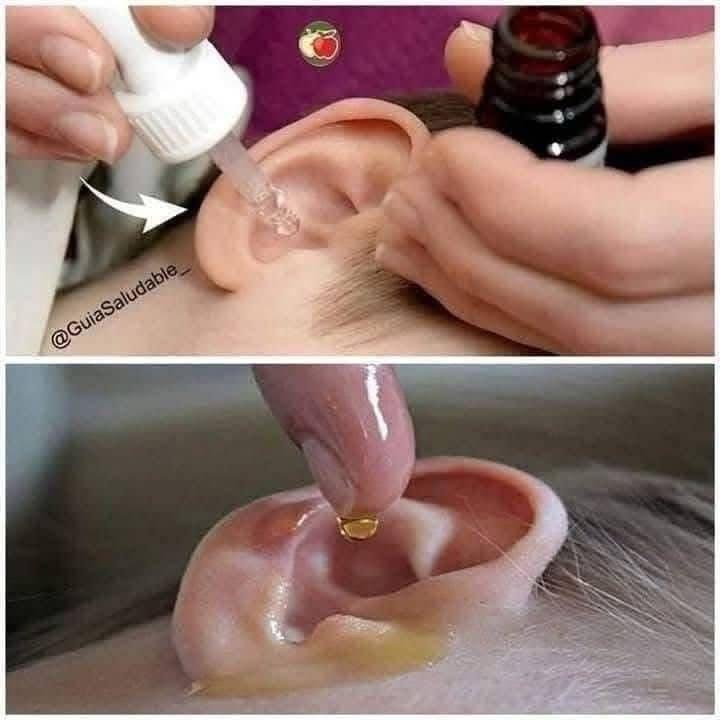
Let’s break this down with proper context and factual information:
The Truth About Ear Drops and Hearing Loss
Hearing loss is a complex issue that can have multiple causes, ranging from ear infections and fluid buildup to age-related hearing loss (presbycusis) or damage to the inner ear. While ear drops can be effective for certain conditions, they are not a universal remedy for regaining hearing.
What Are Ear Drops Used For?
Ear drops are commonly used for treating conditions like:
- Ear Wax Buildup: Over-the-counter ear drops can help soften earwax, making it easier to remove or naturally drain out of the ear.
- Ear Infections: Certain ear drops contain antibiotics or antifungal agents to treat bacterial or fungal infections.
- Inflammation: Some drops help reduce inflammation and irritation caused by conditions like swimmer’s ear.
These conditions can cause temporary hearing loss due to obstruction or infection. In such cases, ear drops may help alleviate symptoms, but they don’t directly “restore” hearing if there’s permanent damage to the auditory system.
Why “Two Drops” Won’t Regain Hearing
Here are a few important points to understand why the idea of regaining hearing with just two drops might not be realistic:
1. Permanent Hearing Loss vs. Temporary Hearing Loss
- Temporary Hearing Loss: If hearing loss is due to something reversible like earwax buildup or a mild ear infection, ear drops can be beneficial. Once the blockage is cleared or the infection is treated, hearing can be restored.
- Permanent Hearing Loss: If hearing loss is due to irreversible causes such as age-related degeneration or noise-induced damage to the inner ear (e.g., cochlea), ear drops cannot restore hearing.
2. Type of Ear Drop Matters
Not all ear drops are created for the same purpose. Drops intended for earwax removal might be helpful in cases where buildup is obstructing sound transmission. However, drops designed for infection will only address infection-related hearing issues and won’t have any effect on other forms of hearing loss.
3. Risk of Incorrect Use
Using ear drops incorrectly can sometimes worsen the problem. For example, inserting drops into an ear with a ruptured eardrum or undiagnosed infection could cause further complications.
When Should You Use Ear Drops?
If you’re experiencing temporary hearing loss due to earwax buildup or a mild ear infection, ear drops might be a part of the treatment plan. However, always consult with a healthcare provider or an ENT specialist (ear, nose, and throat doctor) to ensure you’re using the correct treatment.
Signs That You Might Need Medical Attention:
- Sudden, unexplained hearing loss
- Pain, drainage, or bleeding from the ear
- Dizziness or balance problems
- Persistent or worsening hearing loss despite using ear drops
In these cases, seeing a doctor is critical. They will diagnose the cause of your hearing loss and recommend appropriate treatment.
Alternative Treatments for Hearing Loss
If your hearing loss is permanent, there are other solutions:
- Hearing Aids: These devices amplify sound to help individuals with hearing loss.
- Cochlear Implants: For severe hearing loss, especially when hearing aids aren’t enough, cochlear implants can provide a sense of sound by directly stimulating the auditory nerve.
- Surgical Treatments: In some cases, surgery may be necessary to correct structural issues in the ear, such as a damaged eardrum or ossicular chain.
Conclusion: Be Cautious About “Quick Fix” Claims
The claim that “two drops will restore your hearing” is misleading and overly simplistic. While ear drops can be helpful for certain conditions (like earwax buildup or ear infections), they are not a cure-all for hearing loss. Always consult with a healthcare professional before using any treatment, especially for ear-related issues, to ensure that it’s appropriate for your condition.
If you’re experiencing hearing loss or discomfort in your ears, it’s important to have a thorough examination and diagnosis by a healthcare provider. Taking the right steps based on professional guidance will lead to the best outcomes.
Disclaimer: This article provides general information and is not intended as medical advice. Always consult with a healthcare professional for concerns related to your health or hearing.
If you’d like more information or have other questions about ear health or hearing loss, feel free to ask!