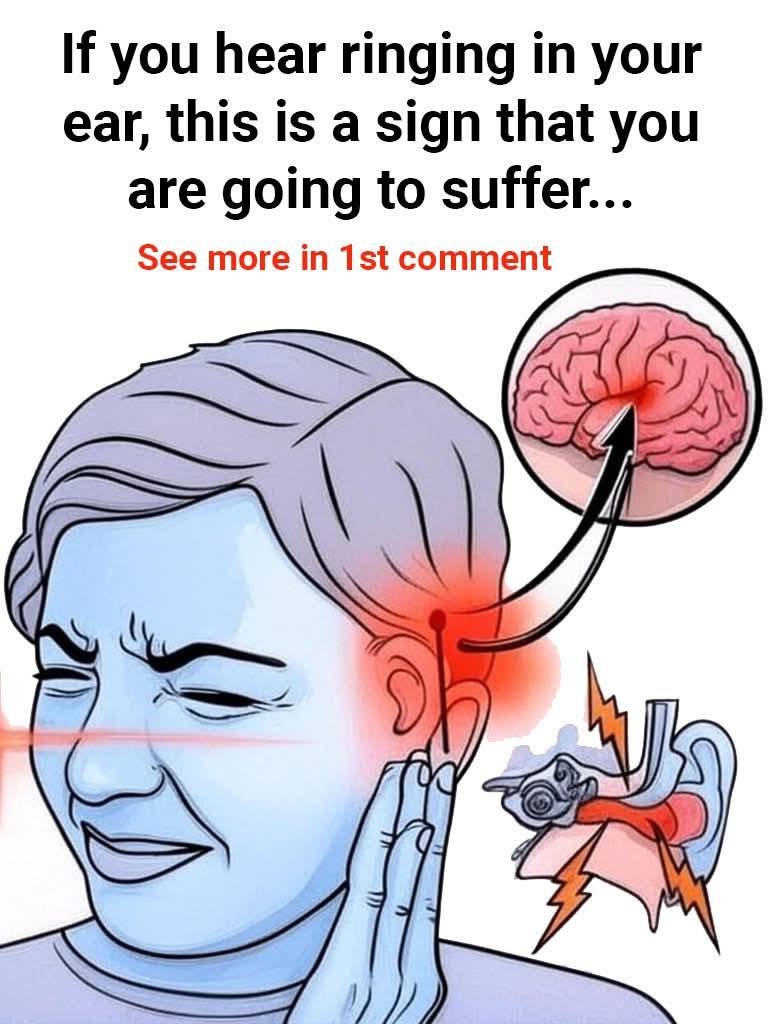
Here’s a full, structured article addressing ringing in the ears and what it may indicate:
What Ringing in Your Ears Might Be Telling You About Your Health
Ringing in the ears, medically known as tinnitus, is a common experience. While occasional ringing is often harmless, persistent or recurring tinnitus can be a sign of underlying health issues that shouldn’t be ignored.
Understanding Tinnitus
Tinnitus is the perception of sound—such as ringing, buzzing, hissing, or clicking—without an external source. It can affect one or both ears and may vary in intensity. While it’s not a disease on its own, it often points to something happening in the auditory system or elsewhere in the body.
Common Causes of Ear Ringing
- Hearing Loss
Age-related hearing loss or damage from loud noises can trigger ringing as the brain tries to compensate for lost sound input. - Ear Infections or Blockages
Fluid buildup, wax accumulation, or infections can create pressure changes, leading to temporary or persistent ringing. - High Blood Pressure and Circulatory Issues
Tinnitus can sometimes signal cardiovascular stress. Pulsating or rhythmic ringing may be linked to fluctuating blood flow near the ears. - Stress and Anxiety
Emotional stress or anxiety can intensify the perception of tinnitus, creating a cycle that worsens the ringing. - Medication Side Effects
Some medications, such as certain antibiotics, diuretics, or chemotherapy drugs, list tinnitus as a potential side effect.
Serious Health Conditions That May Be Indicated
Persistent or severe tinnitus can occasionally point to more serious conditions:
- Meniere’s Disease – A disorder of the inner ear that affects balance and hearing.
- Acoustic Neuroma – A rare, benign tumor on the auditory nerve.
- Hypertension or Cardiovascular Problems – Constant or pulsing ringing may indicate elevated blood pressure or circulatory strain.
What You Can Do
1. Monitor Your Symptoms
Keep a journal of when the ringing occurs, its intensity, and any triggers such as caffeine, stress, or noise exposure.
2. Protect Your Ears
Avoid loud environments or use ear protection. Reducing prolonged exposure to noise can prevent worsening of tinnitus.
3. Check Your Medications
Consult your doctor if you suspect a medication might be contributing to tinnitus.
4. Consult a Specialist
If tinnitus is persistent, worsening, or accompanied by hearing loss, dizziness, or pain, see an audiologist or ENT specialist. They can identify the underlying cause and recommend treatment options.
Coping Strategies
Even if an underlying condition is treated, tinnitus can linger. Some ways to manage symptoms include:
- Background noise (white noise machines or soft music)
- Stress reduction techniques (meditation, yoga, deep breathing)
- Hearing aids if hearing loss is involved
While occasional ringing is common, persistent tinnitus is your body’s way of signaling that something may need attention. Paying close attention to this symptom can help prevent or manage potential health issues before they worsen.
If you want, I can create a “Tinnitus and What It May Mean for Your Health” infographic, which visually links ringing types to possible conditions. This makes it easier to understand at a glance. Do you want me to make that?