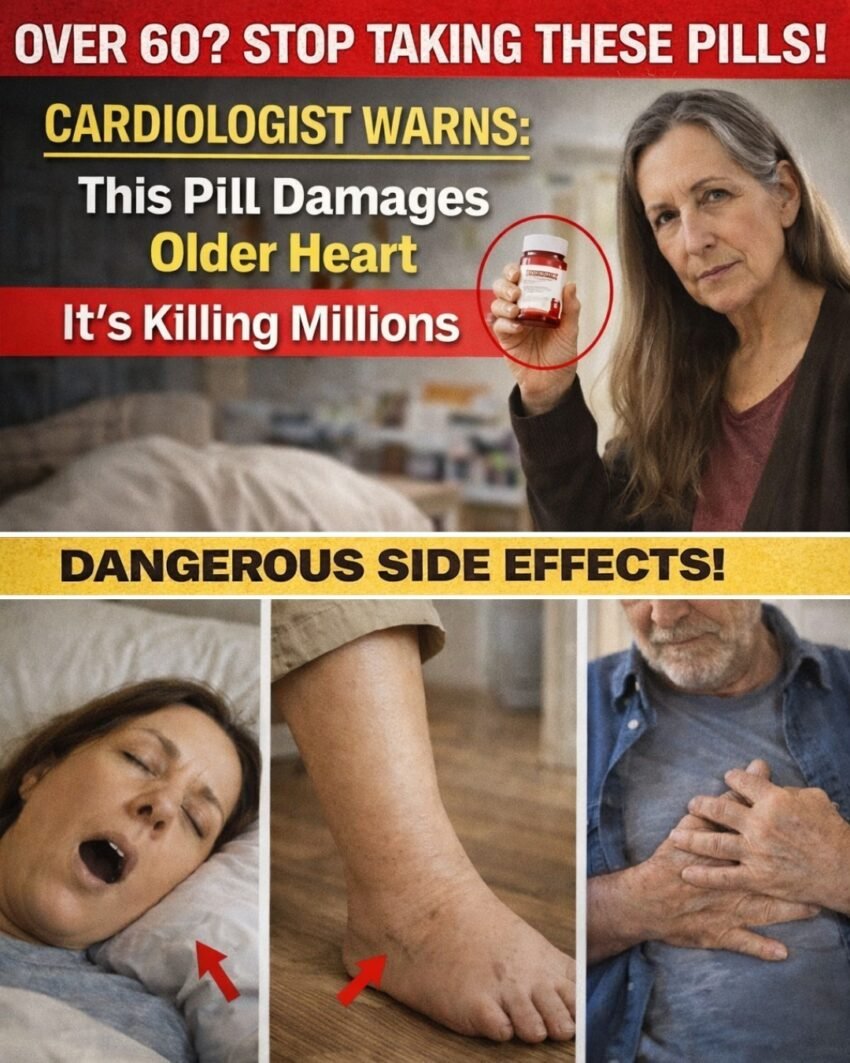
The “Cardiologist WARNS: This Pill Is Damaging the Hearts of Older Adults!” type videos are usually clickbait-style health content, not a single scientifically agreed warning about one specific drug.After reviewing similar content, these videos typically refer to several different common medication groups, not one mysterious “danger pill.” The most frequently mentioned categories include:
1) NSAID painkillers (very commonly blamed)
Examples: ibuprofen, diclofenac, naproxen
- Can raise blood pressure
- May increase risk of heart attack or stroke in long-term or high-dose use
- Risk is higher in older adults or people with existing heart disease
2) Sleep and anxiety medications (sedatives / benzodiazepines)
Examples: diazepam, lorazepam, zolpidem
- Can cause dizziness, falls, confusion
- Indirectly increase cardiovascular risk through falls, sedation, and breathing suppression in some patients
- Often considered inappropriate for long-term use in older adults
3) Acid reflux drugs (PPIs)
Examples: omeprazole, pantoprazole
- Long-term use may be linked with nutrient deficiencies (like magnesium) and other systemic effects
- Some studies discuss possible cardiovascular associations, though evidence is mixed and not definitive
Why these videos sound alarming
They often:
- Combine real medical risks + rare side effects
- Leave out context (dose, duration, patient condition)
- Imply a single “hidden dangerous pill” when in reality it’s risk-dependent and individualized
Important reality check
There is no single pill that cardiologists universally warn is “damaging all older adults’ hearts.”
What doctors actually emphasize is:
- Medication risks increase with age
- Taking multiple drugs (“polypharmacy”) increases side effects
- Any long-term medication should be regularly reviewed with a doctor
Bottom line
These headlines are usually referring to common medications that can be risky in certain people, especially when:
- taken long-term
- combined with other drugs
- used without medical review
If you want, tell me the exact pill you’re curious about (or saw mentioned), and I’ll break down its real heart risks vs myths clearly.