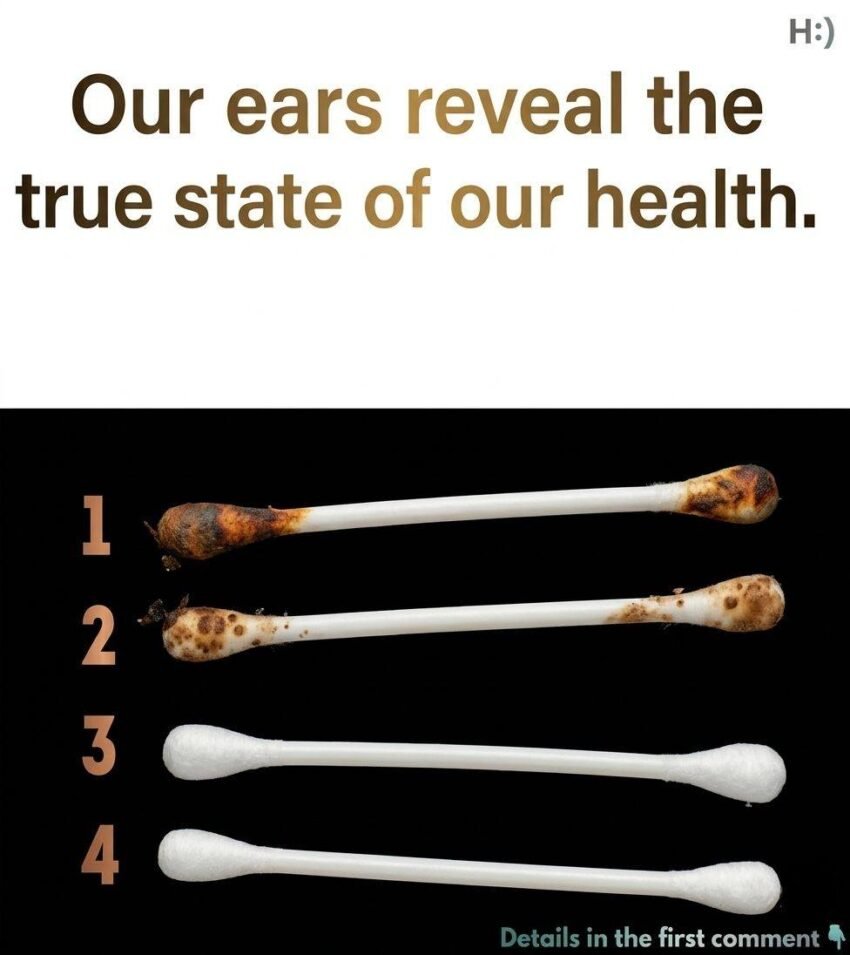
What Your Ears Reveal About Your Health
Most people think of ears simply as tools for hearing, but their appearance and condition can provide surprising insights into overall health. From changes in color to unusual growths, our ears can act as early warning signals for underlying issues.
Ear Shape and General Health
The shape of the ears can sometimes indicate genetic conditions or health predispositions. For example:
- Attached vs. Free Earlobes: Some studies suggest that earlobe attachment may have minor links to cardiovascular traits, though more research is needed.
- Asymmetry: Slight differences between the left and right ear are normal, but pronounced asymmetry can indicate developmental issues or previous injuries.
Color Changes and Circulation
The color of your ears can be a direct indicator of your circulatory health:
- Pale Ears: May suggest anemia or poor blood circulation.
- Red or Flushed Ears: Can occur due to high blood pressure, fever, or inflammation.
- Blue or Purple Ears: Often a sign of oxygen deprivation, which can be related to respiratory or cardiovascular problems.
Earlobe Creases and Heart Health
A diagonal crease across the earlobe, sometimes called Frank’s sign, has been linked in studies to an increased risk of cardiovascular disease. While it is not a definitive diagnosis, it can serve as a prompt to monitor heart health more closely.
Ear Wax and Ear Canal Health
The type and consistency of ear wax can reflect more than hygiene:
- Dry, flaky wax may be normal for some but can indicate dehydration in others.
- Excessive or dark wax could point to infections or metabolic changes.
- Odor or discharge may signal bacterial or fungal infections that require medical attention.
Hearing Changes and Overall Wellness
Changes in hearing, such as sudden loss or ringing in the ears, are not just ear issues—they may signal:
- High blood pressure
- Diabetes
- Neurological conditions
Regular hearing checks can therefore act as preventative health measures.
When to Consult a Doctor
While minor variations in ear appearance are usually harmless, the following signs should prompt medical consultation:
- Sudden color changes (blue, purple, or bright red)
- Pain, swelling, or discharge
- Rapid changes in ear shape or size
- Persistent ringing or hearing loss
Our ears do more than help us hear—they silently reflect our body’s health. Paying attention to these subtle signs can help detect problems early, allowing for timely care and prevention.
If you want, I can also create a visual guide showing ear features and their health meanings, which would make this even easier to understand at a glance. Do you want me to do that?