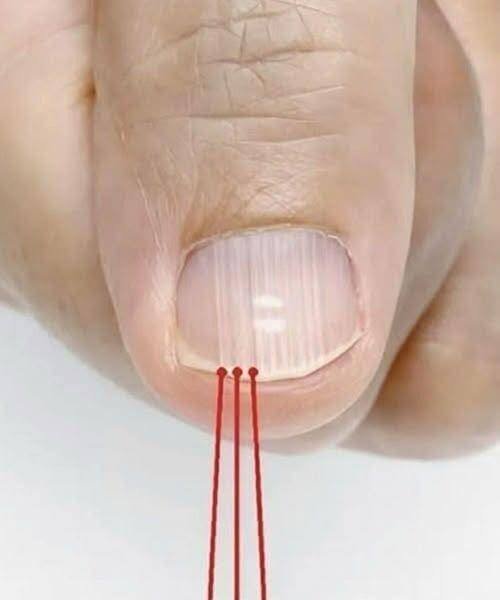
1. Beau’s Lines: What Are They?
Beau’s lines are deep grooves or indentations that run horizontally across the nails. They can affect just one nail or several, and they are often a sign that nail growth has been temporarily halted due to an illness or stress.
2. Potential Causes of Beau’s Lines:
A. Severe Illness or Fever
- What It Is: A serious illness, such as a high fever (e.g., due to infection), can temporarily disrupt nail growth, leading to the appearance of Beau’s lines.
- Why It Happens: When the body goes through a period of stress or illness, blood flow to the extremities (including the nails) is reduced. This affects the nail matrix, where new cells are made, resulting in growth stoppage for a period.
B. Nutritional Deficiencies
- What It Is: A lack of essential nutrients such as zinc, iron, or biotin can affect nail health and lead to the formation of Beau’s lines.
- Why It Happens: Nutrient deficiencies can slow down the rate of nail growth and cause the nails to become brittle or develop ridges and lines.
C. Trauma or Injury
- What It Is: Physical injury to the nail or nail bed (like slamming a finger in a door) can cause temporary disruption to the growth process, resulting in visible lines.
- Why It Happens: A trauma can damage the cells that promote nail growth, leading to visible marks or indentations as the nail grows back.
D. Chronic Conditions
- What It Is: Chronic illnesses, such as diabetes, cardiovascular disease, or psoriasis, can affect circulation and nail growth, leading to the development of Beau’s lines.
- Why It Happens: These conditions can affect the overall blood flow and health of the nail matrix, where new nail cells are produced. When the matrix is compromised, it may cause visible lines on the nails.
E. Stress or Mental Health Issues
- What It Is: Emotional stress or trauma (e.g., anxiety, depression, or a significant life event) can also lead to temporary nail growth disruptions.
- Why It Happens: Stress can cause changes in the body’s immune and hormonal responses, which can slow down nail growth and create grooves or indentations on the nails.
F. Chemotherapy or Medications
- What It Is: Certain medications, especially chemotherapy, can cause changes in the appearance of nails, including Beau’s lines.
- Why It Happens: Chemotherapy targets fast-growing cells, including those in the nails. The disruption of the nail matrix can cause growth to stop temporarily, leaving indentations in the nail surface.
3. Other Nail Signs to Look For:
If you notice Beau’s lines, it’s important to pay attention to other changes in your nails as well, as they can provide more insight into your health:
- Vertical Ridges: Could indicate aging, but can also suggest underlying conditions such as iron deficiency or psoriasis.
- Pitting: Small depressions or holes on the surface of the nails can be a sign of psoriasis or eczema.
- Color Changes: Discoloration (yellow, blue, or brown) could indicate an infection, liver disease, or heart problems.
- Clubbing: A rounding of the nail tip, usually associated with lung diseases or heart conditions.
- White Spots: Often harmless, but if persistent, could indicate a zinc deficiency.
4. What You Can Do:
- Consult a Doctor: If you notice Beau’s lines, especially if they appear suddenly or with other health changes, it’s important to consult with your healthcare provider. They may recommend tests to diagnose any underlying conditions.
- Nutritional Support: If you suspect a nutritional deficiency, incorporating a balanced diet rich in vitamins, minerals, and proteins can improve nail health.
- Manage Stress: Practicing relaxation techniques such as meditation, yoga, or deep breathing can help reduce the impact of stress on your overall health.
- Nail Care: Keep your nails healthy by moisturizing them regularly and avoiding trauma or excessive use of harsh chemicals.
5. Conclusion:
Beau’s lines are typically a sign that something has temporarily interrupted the normal growth of your nails. While they are often linked to stress or illness, they can also point to underlying health conditions or nutritional deficiencies. If you’re over 40 and notice changes in your nails, it’s essential to listen to your body and get a professional evaluation if the changes persist or are accompanied by other symptoms. Taking care of your overall health and nutrition will also reflect in the appearance of your nails and other aspects of well-being.