After Gallbladder Removal: 3 Conditions You Could Develop — What to Know Before Surgery
Headlines that warn “avoid gallbladder surgery at all costs” can be misleading. Removal of the gallbladder—called cholecystectomy—is often necessary and life-saving in certain conditions. However, like any surgery, it can come with possible side effects or complications.
This article explains three conditions that may develop after surgery, along with a balanced view of when the procedure is appropriate.
Understanding the Gallbladder’s Role
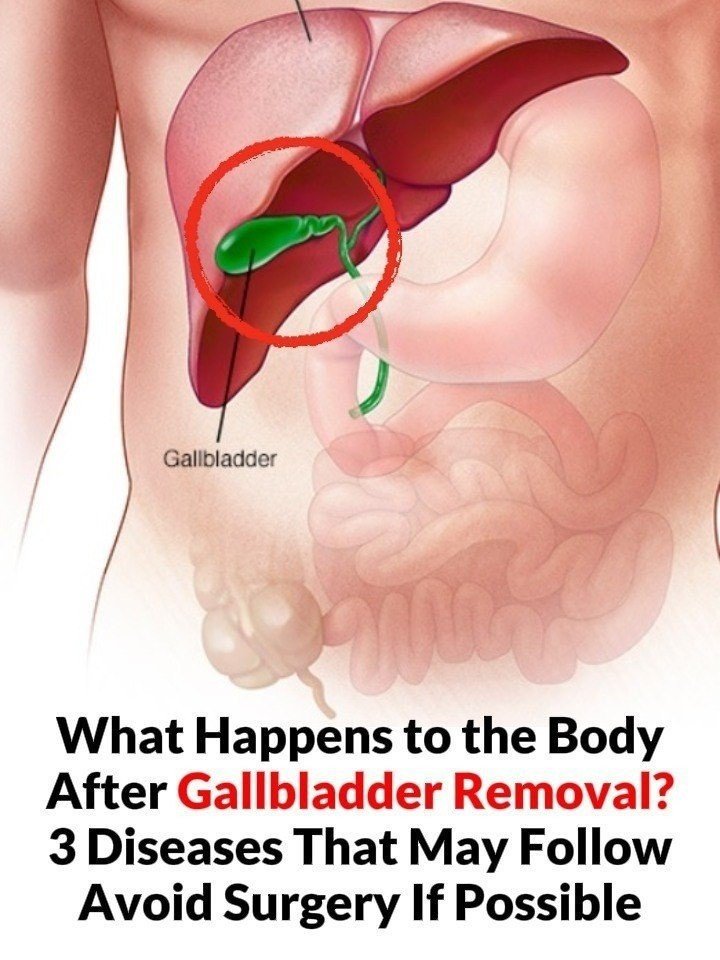
The gallbladder stores bile, which helps digest fats. After removal, bile flows directly from the liver into the small intestine. Most people adjust well, but some may experience digestive changes.
1. Digestive Issues (Postcholecystectomy Syndrome)
Some people develop ongoing digestive symptoms known as postcholecystectomy syndrome.
Symptoms may include:
- Bloating
- Diarrhea
- Gas
- Indigestion after fatty meals
This happens because bile is no longer released in controlled amounts.
Management:
- Eat smaller, low-fat meals
- Avoid greasy or fried foods
- Gradually reintroduce fats
2. Increased Risk of Bile Reflux
Without a gallbladder, bile can sometimes flow backward into the stomach, leading to irritation.
This may contribute to:
- Heartburn-like symptoms
- Stomach discomfort
- Inflammation of the stomach lining
In some cases, it may be confused with gastroesophageal reflux disease, though the cause is different.
3. Possible Changes in Gut Health
The continuous flow of bile may alter the balance of bacteria in the intestines.
This can lead to:
- Mild changes in digestion
- Occasional diarrhea
- Sensitivity to certain foods
In rare cases, it may contribute to longer-term digestive disturbances.
Should You Avoid Gallbladder Surgery?
Not necessarily. In many cases, surgery is the best and safest option, especially for:
- Repeated gallbladder attacks
- Severe gallstones causing pain
- Infection or inflammation of the gallbladder
- Risk of complications like rupture
Delaying necessary surgery can lead to serious, even life-threatening problems.
When Alternatives May Be Considered
In mild cases, doctors may suggest:
- Dietary changes (low-fat diet)
- Weight management
- Monitoring symptoms
However, these do not remove existing gallstones—they only help manage symptoms.
Key Takeaways
- Gallbladder removal is common and generally safe
- Some people may experience digestive changes afterward
- The three most discussed issues are digestive discomfort, bile reflux, and gut changes
- Surgery should not be avoided if medically necessary
Final Thoughts
The idea that everyone should avoid gallbladder surgery is not supported by medical evidence. The decision depends on your specific condition, symptoms, and risk factors. If you have concerns, discussing them with a qualified doctor is the safest way to make an informed choice.